
Reviewed · FOOD & DRINK
Mahane Yehuda Market food tour jerusalem
Come hungry, leave full of stories. This 2.5-hour food walk through Jerusalem’s Mahane Yehuda Market connects ten generous tastings with Israeli food traditions, seasonal ingredients, and the market’s long journey from a farmers’ trading place to a city landmark. I especially like the wide range of bites, from hummus and falafel to shawarma, kubbeh, hachapuri, coffee, and sweets. I also like that guide Orit brings food, religion, history, and present-day Israeli life into the conversation. The main drawback is that people with sesame allergies should not book this tour.
The tour costs $99 per person, which is a serious price for a two-and-a-half-hour activity. Still, the tastings are intended to replace a full meal, and the small maximum of 12 people gives Orit room to explain what you are eating rather than simply pointing out stalls. One detail needs checking before you go: the information gives both a 10:00 am tour time and a 10:30 am start, so confirm the exact departure time after booking.
In This Review
- Key points at a glance
- Why Mahane Yehuda is the right setting for a food tour
- Meeting Orit on Agripas Street
- The first tastings: hummus, arak, and market basics
- Falafel, shawarma, and the pleasure of familiar foods
- Kubbeh and hachapuri: the less predictable stops
- Specialty coffee and traditional sweets to finish
- How much food do you really get for $99?
- Who will enjoy this food walk most?
- Practical advice for making the most of the morning
- Should you book the Mahane Yehuda food tour?
- FAQ
- How much does the Mahane Yehuda Market food tour cost?
- How long does the food tour last?
- What time does the tour start?
- Where does the tour meet and finish?
- What food and drinks are included?
- Is the tour suitable for people with sesame allergies?
Key points at a glance
- Ten tastings replace lunch: Plan to eat hummus, arak, falafel, shawarma, hachapuri, kubbeh, specialty coffee, traditional sweets, and other market foods.
- Orit is the guide to know: Her food knowledge, warmth, timing, and ability to explain Israeli society receive especially strong praise.
- A small group matters: The tour accepts no more than 12 people, a useful limit in narrow market lanes and crowded food counters.
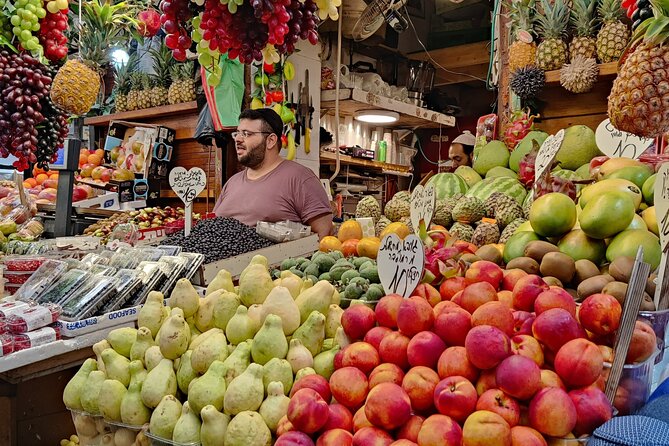
- Mahane Yehuda has a clear story: The market began under Ottoman rule as a place where nearby farmers sold produce.
- Come with an appetite: The tasting list is long enough to function as a full meal, not a few token samples.
- Watch the sesame issue: The experience is not recommended for people with sesame allergies.
Why Mahane Yehuda is the right setting for a food tour
Mahane Yehuda is not a museum display of Israeli cuisine. It is a working market where food, shopping, conversation, and daily Jerusalem life meet. That makes it a better place to learn about Israeli cooking than a restaurant table alone.
The market began in the late 19th century, during the Ottoman period, when farmers from nearby villages brought fresh produce for sale. It later grew into a larger commercial center, and today it serves both local shoppers and people visiting Jerusalem.
That change matters because Israeli cuisine is not one narrow tradition. It draws from Jewish communities with roots in many countries, Arab and Palestinian cooking, Mediterranean ingredients, and newer food ideas. On this walk, you get to taste that mixture instead of hearing a dry lecture about it.
I like food tours that explain why a dish belongs in a place. A bite of hummus can lead to a discussion of preparation and regional habits. A sweet can reveal a family tradition or a holiday connection. The food gives Orit a natural way to discuss culture without turning the tour into a classroom.
You should also expect the market itself to be part of the experience. Stalls, counters, ingredients, and the movement of shoppers create the setting. That can be exciting, but it also means this is not a quiet seated tasting. If you prefer a slow meal with your own table, this format may feel hurried.
More food tours in Jerusalem:
- Carmel Market Tasting Tour – LocaLocal
★ 5.0 · 140 reviews - Tel Aviv Food Tour of the Carmel Market
★ 4.0 · 29 reviews - Carmel Market Tasting Tour
★ 5.0 · 25 reviews
Meeting Orit on Agripas Street
The meeting point is Agripas Street 88 in Jerusalem. The tour ends back at the same meeting point, which is convenient if you want to continue exploring the market afterward or return to your hotel from a known location.
The official information gives two different start times: 10:00 am in the general description and 10:30 am under the meeting details. Do not guess. Check your confirmation and, if needed, contact the provider, orittour, before the day of the tour.
Orit is a major part of the experience. Her strengths are not limited to naming dishes. She explains ingredients, food preparation, origins, and the way cuisine has changed over time. She also brings in the history of religions and current Israeli society, giving the food a wider frame.
That broader knowledge is especially useful in Jerusalem, where a simple meal can connect to several communities and traditions. Orit’s sense of timing also matters. A food walk can easily become a string of stops with no clear rhythm, but her ability to balance conversation, eating, and movement is repeatedly praised.
The group size is capped at 12. That is not private touring, but it is small enough for questions and discussion. You are less likely to be separated from the guide at a counter, and Orit can better notice dietary concerns or make sure everyone receives a taste.
The first tastings: hummus, arak, and market basics
The exact order of the tastings is not specified, so you should think of the tour as a guided sequence rather than a fixed restaurant-style menu. Hummus, arak, falafel, shawarma, hachapuri, kubbeh, coffee, and sweets are all included among the expected foods.
Hummus is a useful opening lesson because it looks simple but depends on ingredients and technique. You can expect Orit to discuss the quality of the chickpeas, tahini, and other components, along with how to judge fresh market produce.
Sesame is important here. Hummus and tahini-based foods make sesame a serious concern, and the tour is specifically not recommended for people with sesame allergies. If you have any food allergy or restriction, ask before booking rather than relying on substitutions.
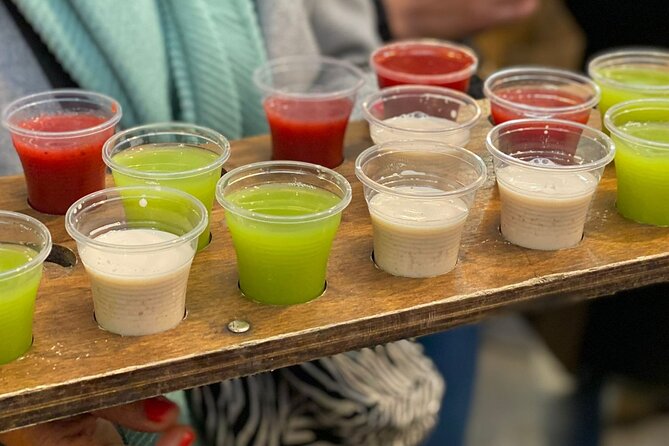
Arak adds a distinctly local touch. It is a traditional anise-flavored spirit, and including it shows that the tour is not limited to familiar foods. If you do not drink alcohol, confirm how that tasting is handled before arrival. The provided details do not state whether an alternative is offered.
The point of these early tastings is not simply quantity. You get a sense of how basic ingredients are treated, how flavor is built, and how food sits within social customs. That is where the tour offers more value than wandering through the market alone.
Falafel, shawarma, and the pleasure of familiar foods
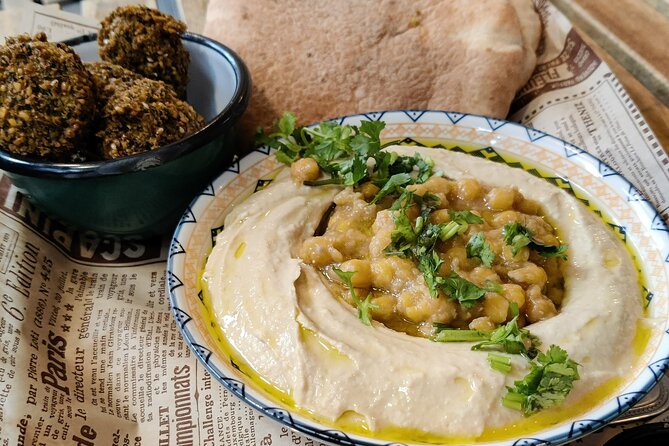
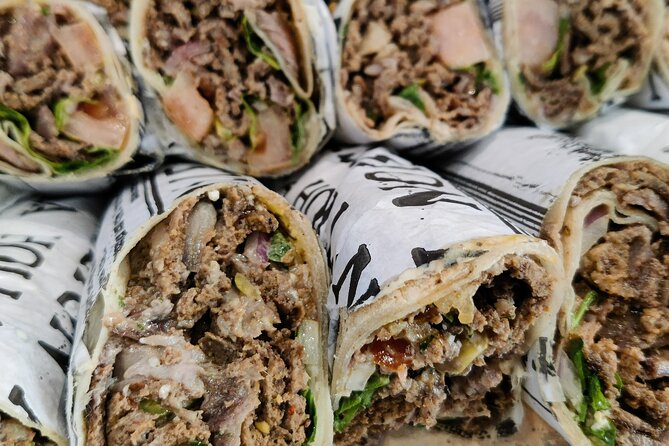
Falafel and shawarma are well-known outside Israel, but eating them in a market setting can still be useful when someone explains what you are tasting. Orit’s role is to connect the dish with preparation, ingredients, and local habits rather than letting it become just another quick snack.
Falafel gives you a chance to compare the texture of a freshly made serving with the versions you may know at home. Shawarma brings a different set of flavors and cooking methods. Together, they make the tour accessible to first-time visitors while still leaving room for detail.
This is also where the tour’s generous portions begin to matter. One or two samples can leave you curious but hungry. Ten tastings are designed to take the place of a full meal, so you should avoid booking this immediately after breakfast.
There is a practical tradeoff. A long list of tastings can mean smaller portions or a fast pace, especially when the group must move between vendors. If your main goal is to sit down and study one dish in depth, a cooking class or restaurant meal may suit you better.
For most people, though, variety is the attraction. You can try foods you might not order on your own, and Orit can explain the connections between them. That takes some guesswork out of the market.
More Jerusalem tours worth comparing
- Tel Aviv: Carmel Market Food Tasting Tour “Shuk Hacarmel”
★ 4.0 · 8 reviews - Urban Walking & Food Tour in Tel Aviv
★ 5.0 · 7 reviews - Tel Aviv: Carmel Market Food Tasting Tour “Shuk Hacarmel”
★ 5.0 · 5 reviews - Food & Drink Private Guided Tour in Tel Aviv
★ 5.0 · 3 reviews
Kubbeh and hachapuri: the less predictable stops

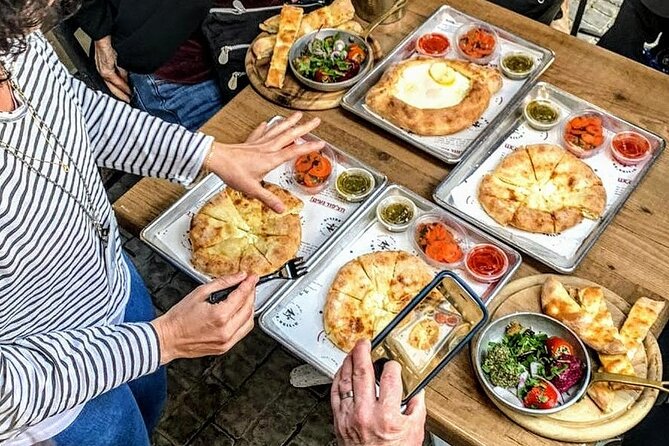
Kubbeh and hachapuri help push the tour beyond the most familiar Israeli street foods. Kubbeh is associated with Middle Eastern Jewish and regional cooking, while hachapuri reflects the influence of Georgian Jewish communities and Georgian cuisine.
These dishes show why Israeli food is best understood as a meeting place. Recipes arrived with communities, changed in new surroundings, and became part of the country’s modern food culture. Orit’s explanations about origins and evolution are likely to be most useful here because you may not recognize either dish immediately.
Hachapuri is especially easy to remember because it is a bread-based dish with a distinct Georgian identity. Kubbeh offers another path into the many food traditions represented in Israel. The tour does not treat Israeli cuisine as a single ancient menu. Instead, it presents a country where food has been carried, adapted, and shared.
The limitation is that the tasting list does not specify which versions or fillings you will receive. Market stock can change, and the tour may adjust to what is available. That flexibility is normal for a market walk, but anyone seeking a precise menu should ask the operator in advance.
Specialty coffee and traditional sweets to finish
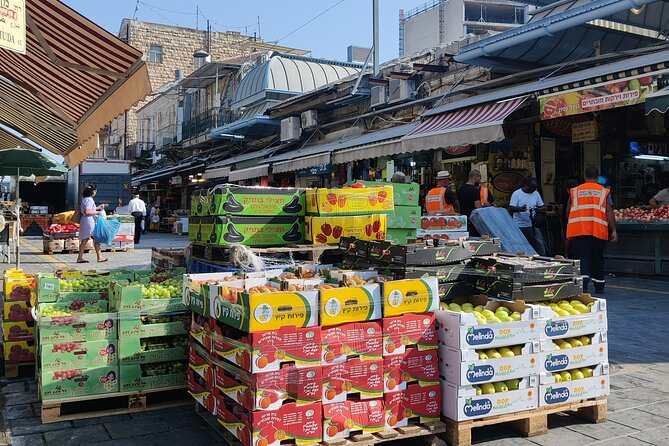
Coffee and sweets provide a calmer final chapter after the savory food. Specialty coffee gives Orit another chance to discuss ingredients and local habits, while traditional sweets offer a taste of the region’s pastry and dessert traditions.
Ending with sweets is practical as well as enjoyable. After hummus, falafel, shawarma, kubbeh, and hachapuri, a final sweet bite helps the tour feel like a complete meal rather than a series of unrelated samples.
The coffee stop may also be one of the most social parts of the experience. Food tours work best when you can pause, compare impressions, and ask questions. The small group makes that easier than a large coach-style outing.
Again, the exact serving details are not provided. You should not assume a particular pastry, coffee preparation, or portion size. The useful promise is variety and context, not a guaranteed item-by-item menu.
How much food do you really get for $99?

At $99 per person, this tour is not a bargain snack crawl. Its value depends on how much you want from the guide and how many tastings you would otherwise buy on your own.
The food is meant to substitute for a full meal, which improves the calculation. You are not paying $99 for three small samples and a short walk. You are paying for a guided introduction to a major Jerusalem market, a broad set of tastings, and Orit’s interpretation of Israeli food and culture.
The group limit also helps justify the cost. With no more than 12 people, the experience should feel more personal than a large market tour. You can ask about dishes, ingredients, origins, and customs without trying to catch a guide’s words from the back of a crowd.
I would book it early in a Jerusalem visit if food is a priority. The tour is usually reserved about nine days ahead, so leaving it until the last minute may reduce your options. It also gives you a useful map of the market’s food culture, which can help you return later with better judgment.
If you are mostly interested in sightseeing and do not care much about food, $99 may feel steep. If you want a meal, cultural explanation, and guided market orientation in one outing, the price is easier to defend.
Who will enjoy this food walk most?
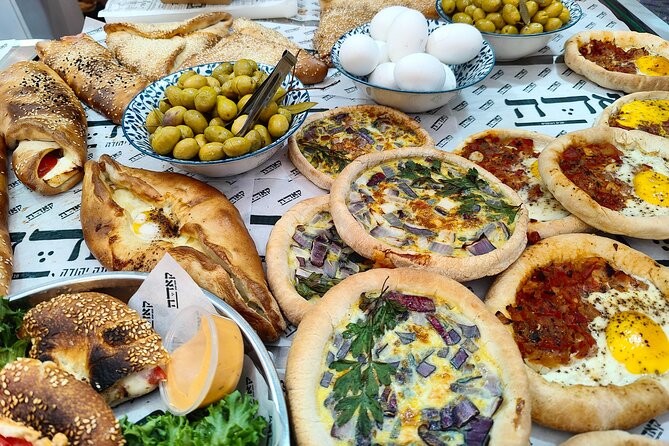
I would recommend the tour to people who:
- Like tasting many different dishes in one sitting.
- Want food connected to history, religion, and culture.
- Prefer a small group to a large organized outing.
- Enjoy asking questions and learning how to choose seasonal produce.
- Are visiting Mahane Yehuda for the first time.
- Have enough appetite for ten tastings.
It also suits repeat visitors to Jerusalem who have already seen the main sights. One person who had visited Mahane Yehuda many times still found the guided version far more rewarding because Orit supplied the context and introduced foods that might otherwise be missed.
Families and mixed-age groups may also find the format workable. Orit has been praised for handling groups ranging from ages 30 to 70 and for adjusting to different needs. The official information says most people can participate and that service animals are allowed.
The tour is not a good choice for anyone with a sesame allergy. It may also disappoint people who need strict control over ingredients, portions, or timing. Ask the provider about your needs before booking.
Practical advice for making the most of the morning
Eat lightly before you arrive. You need room for ten tastings, and the experience is designed to cover a meal.
Wear comfortable shoes and expect to walk through an active market. The supplied details do not give a total walking distance, so I would avoid assuming this is a stationary tasting.
Bring your mobile ticket. Confirmation is sent within 48 hours of booking, subject to availability. Since the start time is listed as both 10:00 and 10:30 am, read the confirmation carefully.
Plan something flexible afterward. The tour ends where it begins, and you may want to keep shopping or revisit a stall after learning more about the food. You may also simply need a quiet break after a very full morning.
Free cancellation is available if you cancel at least 24 hours before the local start time. Canceling later, or changing the booking within that period, does not qualify for a refund.
Should you book the Mahane Yehuda food tour?
Book this tour if you want a full meal in small tastes, a guide who can explain Israeli cuisine in a wider cultural setting, and a direct introduction to one of Jerusalem’s most important markets. Orit’s warmth, passion, timing, and food expertise are the clearest reasons to choose it.
Skip it if you have a sesame allergy, dislike eating on the move, or want a fixed menu with long seated courses. At $99, the tour asks you to value the guide as much as the food.
For food-focused visitors, I think it is a strong choice, especially early in your Jerusalem stay. You get ten tastings, practical market insight, and a better sense of how many communities have shaped what Israel eats today.
FAQ
How much does the Mahane Yehuda Market food tour cost?
The tour costs $99 per person.
How long does the food tour last?
The experience lasts approximately 2 hours and 30 minutes.
What time does the tour start?
The information lists both 10:00 am and 10:30 am. Check your booking confirmation for the correct start time.
Where does the tour meet and finish?
The meeting point is Agripas Street 88 in Jerusalem. The tour ends back at the same meeting point.
What food and drinks are included?
The tour includes ten tastings, with examples including hummus, arak, falafel, shawarma, hachapuri, kubbeh, specialty coffee, traditional sweets, and other market foods.
Is the tour suitable for people with sesame allergies?
No. The activity is not recommended for people with sesame allergies.
More Shopping Tours in Jerusalem
- Tel Aviv: 2-Hour Carmel Market Tour in English with Lunch
★ 4.8 · 23 reviews - Tel Aviv: 2-Hour Levinsky Market Tour with Full Lunch
★ 4.7 · 10 reviews - Levinsky Market Tasting Tour
★ 5.0 · 8 reviews - Tel Aviv: 2-Hour Jaffa Flea Market Tour with Tastings
★ 4.9 · 8 reviews
More Market Walks in Jerusalem
- Private Market Culinary Tour in Jerusalem
★ 5.0 · 4 reviews - Private Tour to the Culinary World of Jerusalem Market
★ 5.0 · 3 reviews - Tel Aviv: Jaffa & Carmel Market Walking Tour
★ 4.7 · 60 reviews - Tel Aviv: Carmel Market & Tel Aviv Tour with Tastings
★ 3.8 · 36 reviews
Recently listed in Jerusalem
- West Bank Tour from Jerusalem and Tel-Aviv – Bethlehem & Jericho★ 5.0 · 6 reviews
- Tour of Jerusalem & Dead sea private tour★ 5.0 · 4 reviews
- One-Day Tour to Bethlehem and Jericho★ 5.0 · 2 reviews
- jerusalem classic tour★ 5.0 · 3 reviews
- full day tour Jerusalem price per van up to 6 people★ 5.0 · 8 reviews
- kosher Israel wine tour★ 5.0 · 4 reviews
- Private Silk Painting Workshop in Jerusalem – Create a scarf –★ 5.0 · 4 reviews
- Experience Shabbat With Dinner In Jerusalem★ 5.0 · 5 reviews
Food & Drink, compared.




GoKEDEM Golan Heights ATV Action & Wine-Tasting Tour From Tel Aviv
Read our review →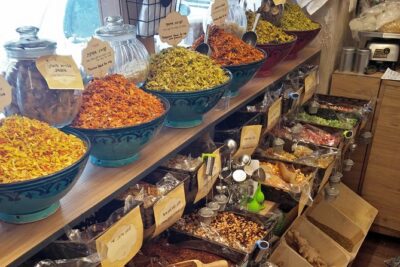
Browse the lists this tour appears in