
Reviewed · HISTORICAL TOURS
Kabbalah Heritage Walk
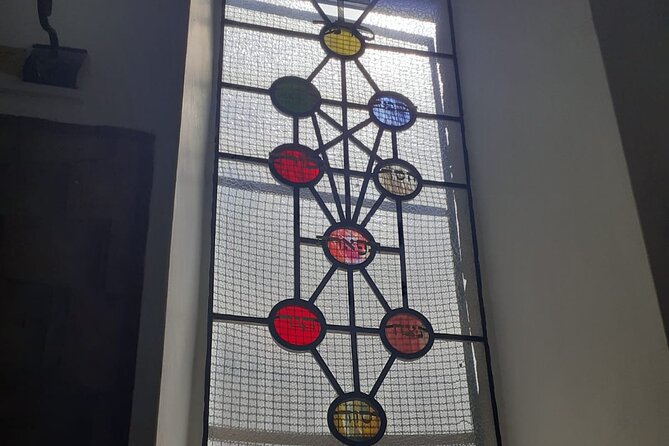
Kabbalah takes on a human shape in Safed. This 90-minute walk pairs the city’s old lanes and historic synagogues with the ideas of its major sages, led by Talmudic scholar Rabbi Shmuel Kopel. I like the small maximum of 15 people, which gives you room to ask real questions, and I like the clear link between Kabbalistic teachings and Jewish practice today.
The main consideration is timing. The walk runs once daily, usually at 1:30 p.m. Sunday through Thursday and at 11 a.m. on Friday, so you have little flexibility unless you arrange another time in advance. The listing also gives Tiberias as the location, but the actual meeting point is Kikar HaMeginim in Safed, so check your map carefully before setting out.
In This Review
- Key points to know before you book
- Why Safed matters to Kabbalah
- Starting at Kikar HaMeginim in Safed
- Meeting the rabbis of Safed
- From mystical teaching to Jewish law
- Historic synagogues and places of prayer
- What the 90-minute format does well
- The small-group advantage
- Is $45 a fair price?
- Choosing the right departure time
- Who will enjoy this walk most?
- Practical details before you go
- Should you book the Kabbalah Heritage Walk?
- FAQ
- Where does the Kabbalah Heritage Walk begin?
- Where does the tour end?
- How long does the walk last?
- How much does the tour cost?
- What days and times does the tour operate?
- Can I request another departure time?
- How many people can join the group?
- Who leads the walk?
- Is public transportation available near the tour?
- Are service animals allowed?
- Can I cancel for a full refund?
Key points to know before you book
- Safed is the main attraction: You explore the city on foot, visiting places tied to famous Kabbalists and Jewish legal scholars.
- Rabbi Shmuel Kopel leads the walk: His role as a Talmudic scholar suits a tour built around questions, texts, and religious ideas.
- The walk connects mysticism with daily Judaism: You learn about Moshe Cordovero, the Alkabetz, Isaac Luria, and Rabbi Yosef Karo.
- The group is capped at 15 people: That is a useful size for discussion without turning the walk into a private tour.
- It lasts about 90 minutes: The time is focused and manageable, though it will not cover every corner of Safed.
- The price is $45 per person: The value depends on how much you want interpretation, rather than sightseeing alone.
Why Safed matters to Kabbalah

Safed, also called Zefat, became the best-known center of Kabbalistic teaching in the 16th century. That period gave the city a lasting place in Jewish thought, and this walk uses its streets and religious sites as a guide to those ideas.
Kabbalah is often presented as secretive or difficult to approach. Here, the subject is made more practical. You are not simply given a list of mystical terms. At each stop, the guide explains what a particular sage taught and how those teachings affected Jewish life beyond Safed.
That connection is the strongest reason to choose this experience. You see where important figures lived, prayed, or taught, then hear why their work still matters. The city becomes more than a pretty collection of stone lanes. It becomes a setting for a major chapter in Jewish religious history.
You should still set your expectations properly. This is not a general sightseeing tour with equal time devoted to food, art, architecture, and shopping. Its focus is Kabbalah, the rabbis connected with Safed, and the religious traditions that grew from their work.
More walking tours in Galilee:
- Jerusalem: Guided Walking Tour of the Old City
★ 4.7 · 386 reviews - Walking Tour of Akko (Half-day)
★ 5.0 · 84 reviews - All Inclusive Walking Tour Old City Jerusalem
★ 5.0 · 83 reviews
Starting at Kikar HaMeginim in Safed
The walk begins at Kikar HaMeginim in Safed and ends at the same meeting point. That makes the outing easy to fit into a day of exploring the city, since you are not left trying to find a distant final stop.
The information supplied for the experience describes it as a walking tour of Safed, with visits to sites of Kabbalistic importance. Since no detailed stop-by-stop route is provided, you should think of the walk as a guided orientation through the city’s religious quarter rather than a fixed museum itinerary.
That is helpful if you want context before exploring on your own. A guide can point out why a modest building, synagogue, or lane matters when it might otherwise look like another old structure. The walk also gives you a starting framework for understanding Safed’s four-city sacred status in Jewish tradition, a point highlighted during the experience.
You will want to arrive ready to walk and listen. The tour lasts about an hour and a half, and its value depends on being present for the explanations rather than rushing from one photo stop to the next.
Meeting the rabbis of Safed
Several major figures form the backbone of the tour. Rabbi Moshe Cordovero, often known as the Ramak, is one of the Kabbalists associated with Safed. The Alkabetz is another important name, as is Isaac Luria, known as the Holy Ari.
The guide places each figure at a relevant site and explains the teaching connected with that person. This approach gives you a clearer sense of Kabbalah as a developing body of thought, not a single idea created by one teacher.
Isaac Luria receives particular attention in any discussion of Safed’s Kabbalistic identity because his influence reached far beyond the city. The same is true of other Safed sages whose ideas entered Jewish prayer, customs, and study.
You should not expect an academic lecture filled with technical detail from start to finish. The format is more direct. You can ask questions as the walk progresses, and the small group gives the discussion room to follow your interests.
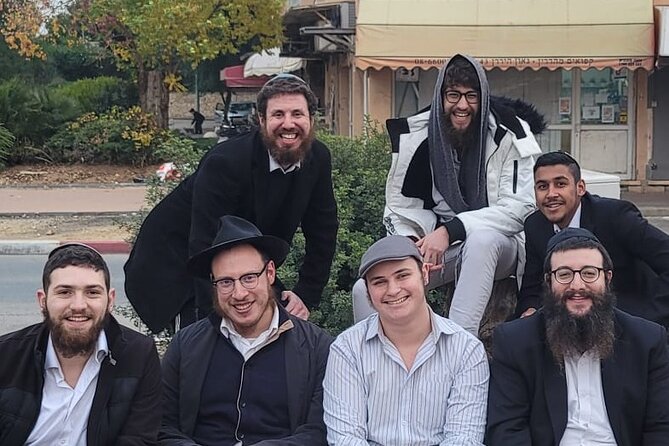
That is where Rabbi Shmuel Kopel’s role matters. He is identified as both the provider and the Talmudic scholar leading the experience. The strongest praise for the tour focuses on his patient explanations, friendly manner, and ability to discuss both Safed and Kabbalah clearly.
From mystical teaching to Jewish law
A useful feature of this walk is that it does not treat Kabbalah as separate from the rest of Judaism. Safed was also home to Rabbi Yosef Karo, author of the Shulchan Aruch, the most authoritative book of Jewish religious law.
That pairing gives the tour more balance. You learn about mystical teaching, but you also see how Safed shaped the rules and practices followed by Jewish communities around the world. The city’s importance was not limited to one spiritual movement.
This may be the most valuable idea for first-time visitors. Kabbalah can seem distant if it is presented only as mystery. Rabbi Yosef Karo’s work shows another side of Safed, one tied to the organization of Jewish daily life.
At relevant sites, the guide explains how a particular rabbi’s work had a practical effect. That keeps the tour from becoming a string of names and dates. You are encouraged to see the people behind the traditions and the city where they worked.
More history-led tours in Galilee:
- Nazareth: Biblical History & Culture Private Tour
★ 5.0 · 3 reviews - Jerusalem Yad Vashem Holocaust History Museum Tour
★ 5.0 · 98 reviews - Jerusalem Christian Heritage Private Tour
★ 5.0 · 9 reviews - Full-Day Private Luxury and Cultural Tour in Tel Aviv
★ 5.0 · 5 reviews
Historic synagogues and places of prayer

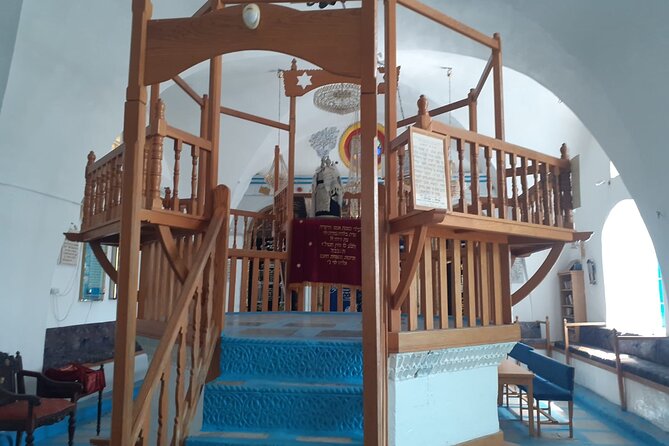
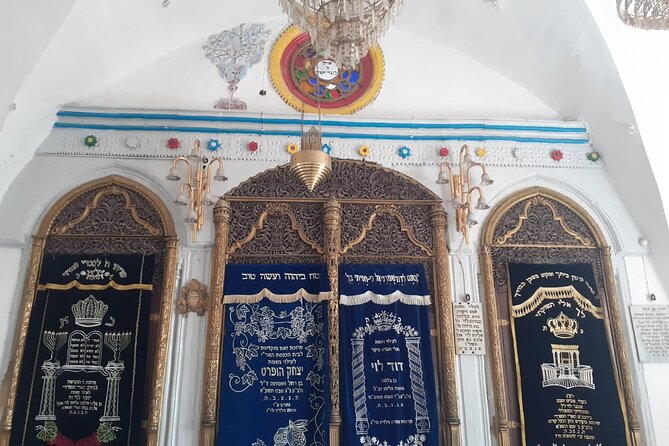
The walk includes several historic synagogues and sites associated with rabbis who prayed there. Specific synagogue names are not provided, so you should not expect a published checklist of buildings before you arrive.
The important point is the interpretation. A synagogue can be visually modest, especially compared with grand European cathedrals or major modern museums. Its significance may come from the rabbi who prayed there, the community that used it, or the teaching linked to the site.
The tour gives you that missing layer of information. Instead of passing through Safed’s religious quarter and wondering what matters, you learn which places carry special meaning in Kabbalistic tradition.
This format will suit you if you enjoy places that reward attention rather than spectacle. If you want elaborate interiors, a long architectural tour, or access to every religious building, you may find the route less satisfying. The main experience is the explanation, not a parade of grand rooms.
What the 90-minute format does well
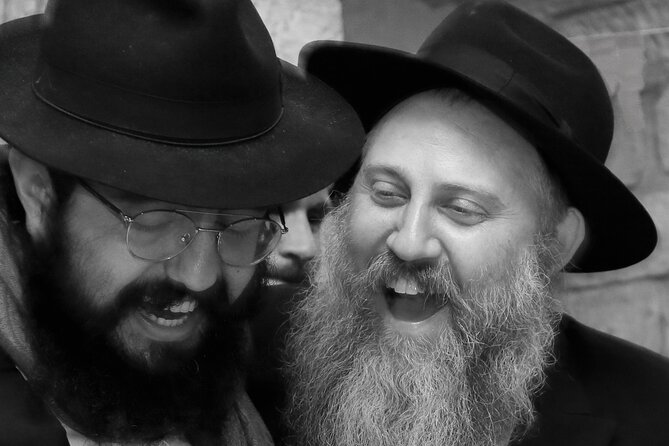
An hour and a half is a sensible length for a subject-focused walk. You get enough time to move between several significant places and hear the story of Safed without committing half a day to one theme.
I like the focused format because Kabbalah is a subject that can quickly become hard to follow. A shorter walk gives the guide a chance to establish the main figures and ideas without burying you under every theological detail.
The trade-off is coverage. Safed has more religious sites and stories than can fit into 90 minutes. You will receive a guided introduction, not a complete study of the city or the full history of Kabbalah.
You can make the most of the time by asking questions that connect the teaching to modern Jewish practice. The tour specifically invites questions, and the group size supports that. If you remain silent, you still receive the main explanations, but an inquisitive approach will likely bring more value.
The small-group advantage
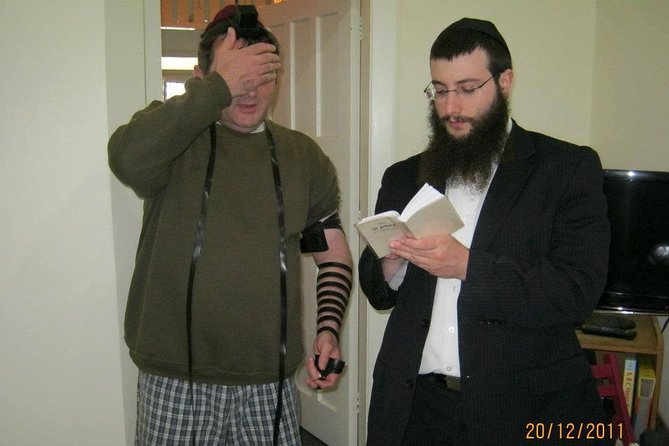
The maximum group size is 15 people. That is not a private walk, but it is small enough for a guide to keep the group together and respond to individual questions.
This matters in Safed, where a larger group could make narrow streets and religious sites harder to manage. A smaller party also makes the experience feel more like a guided conversation than a speech delivered to a crowd.
The strongest praise for the walk centers on Rabbi Shmuel Kopel’s patience and clear explanations. That is especially useful for a subject with unfamiliar names and concepts. You can stop and ask for clarification instead of pretending you followed every point.
Group discounts are available, although no discount amount is provided. If you are visiting with family or friends, check the final price before booking. The walk may become better value for a group, particularly if everyone has an interest in Jewish history or religious thought.
Is $45 a fair price?
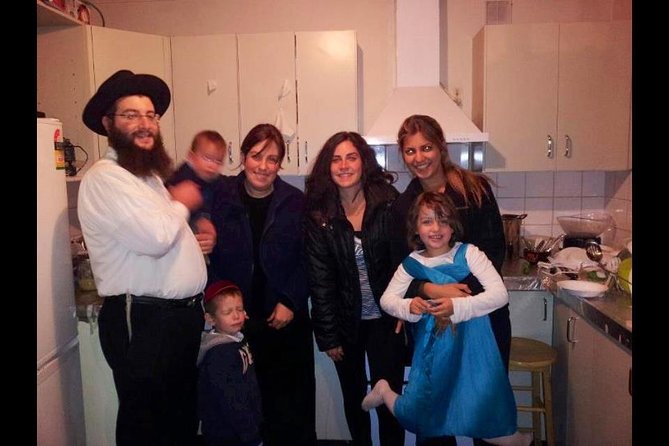
At $45 per person, this is not the cheapest way to see Safed. You are paying for a specialist-led interpretation rather than transport, meals, entrance tickets, or a full-day excursion.
The price makes sense if you want a serious introduction to Kabbalah and the rabbis connected with the city. A general walk may show you the lanes and buildings, but this experience explains why those places matter and how their teachings reached Jewish communities far beyond northern Israel.
It is less compelling value if you are mainly looking for a quick introduction to Safed’s art galleries, shopping streets, or scenery. Those interests are not the center of the walk.
The small group improves the calculation. With no more than 15 people, you have a better chance of hearing the guide and asking questions. The tour is also short enough to pair with other Safed plans, provided you allow time to reach the meeting point and account for the fixed departure.
Choosing the right departure time
The usual schedule is one departure each day from Sunday through Thursday at 1:30 p.m. Friday departures begin at 11 a.m. Other times require advance coordination and depend on availability.
That schedule is important when planning a visit to Safed. You cannot simply arrive whenever you like and expect to join the walk. Book ahead, especially since the experience is booked an average of 17 days in advance.
There is a small scheduling inconsistency in the supplied details: the opening-hours line lists Monday from 1:30 p.m. to 2:30 p.m., while the tour duration is approximately 90 minutes and the main schedule describes Sunday through Thursday departures. I would confirm the exact date and end time with the provider before making other plans.
The meeting point is in Safed, even though the location field identifies Tiberias. Use Kikar HaMeginim, Safed, as your practical destination and verify the directions before leaving.
Who will enjoy this walk most?
I would recommend this tour to you if you want religious context, enjoy asking questions, or have already seen Safed and now want to understand it better. It is also a good choice for visitors interested in the connection between Jewish mysticism, prayer, and religious law.
Families can benefit from the patient, discussion-based style, though the subject may be more engaging for older children and adults. The supplied information says most people can participate, and service animals are allowed.
You may prefer another kind of outing if your main goal is a broad city tour, a food experience, or a long independent wander. This walk has a clear theme and stays close to it.
It also suits you if you want a guide who can explain rather than simply point. Rabbi Shmuel Kopel’s background is central to the experience, and the personal questions are part of what makes the small group useful.
Practical details before you go
The tour is available with a mobile ticket, and confirmation is provided at booking. It operates near public transportation, which helps if you are reaching Safed without a car.
Free cancellation is available if you cancel at least 24 hours before the start time. Cancellations made inside that window are not refunded, and changes are not accepted during the final 24 hours. The cut-off follows local time.
You should check the exact meeting instructions after booking because of the Tiberias versus Safed location wording. The walk ends where it starts, so you can arrange your afternoon around the same central point.
Should you book the Kabbalah Heritage Walk?
Book it if Safed’s religious meaning interests you and you want more than attractive streets and old buildings. The best reason to go is the combination of place, teaching, and access to a scholar who can answer questions in a small group.
I would be especially inclined to book if you have never studied Kabbalah. The walk gives you a manageable starting point, introduces the major Safed figures, and shows how their ideas connect with Jewish practice and law.
Skip it if you want a broad overview of all Safed attractions or have no interest in religious history. The fixed departure time and limited 90-minute route also require some planning.
For the right audience, $45 is a fair price for a focused lesson in one of Judaism’s most important intellectual and spiritual centers. Just confirm the date, departure time, and Safed meeting point before you commit.
FAQ
Where does the Kabbalah Heritage Walk begin?
The walk begins at Kikar HaMeginim in Safed, Israel.
Where does the tour end?
The activity ends back at the meeting point in Safed.
How long does the walk last?
The tour lasts approximately 1 hour and 30 minutes.
How much does the tour cost?
The listed price is $45 per person.
What days and times does the tour operate?
It generally operates once daily from Sunday through Thursday at 1:30 p.m. Friday departures begin at 11 a.m.
Can I request another departure time?
You can request another time in advance, but it depends on availability and must be coordinated with the provider.
How many people can join the group?
The maximum group size is 15 people.
Who leads the walk?
Rabbi Shmuel Kopel leads the experience and is identified as a Talmudic scholar.
Is public transportation available near the tour?
Yes. The experience is located near public transportation.
Are service animals allowed?
Yes, service animals are allowed.
Can I cancel for a full refund?
Yes, if you cancel at least 24 hours before the experience start time. Cancellations made less than 24 hours before departure are not refunded.
Recently listed in Galilee
- Sea of Galilee – Off the Beaten Track★ 5.0 · 3 reviews
- Druze Culinary Tour of the Western Galilee★ 5.0 · 6 reviews
- A Day of Spiritual Discovery in the Upper Galilee★ 5.0 · 7 reviews
- Golan Heights private site seeing Jeep Tour★ 5.0 · 2 reviews
- Culinary Day Tour of the Galilee★ 5.0 · 6 reviews
- Nazareth: Biblical History & Culture Private Tour★ 5.0 · 3 reviews
- Israel: Nazareth and Sea of Galilee Private Full-Day Tour★ 5.0 · 3 reviews
- Tour The Mystical City Of Safed★ 5.0 · 11 reviews
Historical Tours, compared.
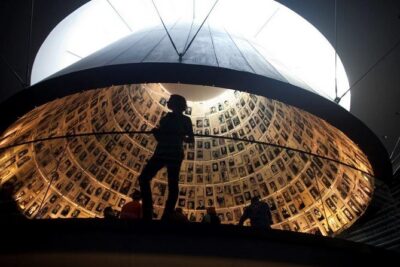
Jerusalem Yad Vashem Holocaust History Museum Tour
Read our review →

Full-Day Private Luxury and Cultural Tour in Tel Aviv
Read our review →

Browse the lists this tour appears in