
Reviewed · CAESAREA AND ACRE TOURS
Caesarea, Haifa, Rosh Hanikra, and Acre Tour from Jerusalem
Roman ruins meet sea caves. This northern Israel day trip packs Caesarea, Haifa, Rosh Hanikra, and Acre into one coastal run, giving you a quick but memorable look at the country’s Roman, Crusader, Ottoman, and modern religious landmarks. I like the variety, and I like that round-trip hotel pickup and entrance fees are included for $108.
The best parts are the Roman theater at Caesarea and the cable-car ride into Rosh Hanikra’s limestone grottoes. The main drawback is the schedule: a 5:40 am start, about 12 hours on the road, and possible pickup delays make this a demanding day. Some people also found the vehicle short on legroom.
If you want a broad taste of northern Israel without arranging several separate transfers, this tour makes good sense. If you prefer slow visits, long meals, or detailed time inside one old city, the pace may feel tight.
In This Review
- Key Things to Know Before You Book
- Why This Coastal Route Works
- Caesarea: Roman Luxury by the Mediterranean
- Haifa and the Baha’i Gardens: A Brief View
- Rosh Hanikra: Cable Car to the Grottoes
- The Lebanese Border and the Meaning of the Setting
- Acre: Crusader Walls and Difficult Chapters
- Guides Can Shape the Day
- Transport, Timing, and Group Size
- Is $108 Good Value?
- Who Should Book This Tour?
- Should You Book It?
- FAQ
- Where does the tour begin?
- How long does the tour last?
- Does the tour provide hotel pickup and drop-off?
- Which places does the tour visit?
- Is the cable car at Rosh Hanikra included?
- Are food and drinks included?
- Is insurance included?
- What languages are available?
- What is the minimum age?
- How large can the group be?
- What is the cancellation policy?
Key Things to Know Before You Book
- Caesarea gives you Roman scale in a compact visit: You see the ancient theater, gateways, moat, walls, rooms, and part of the hippodrome in about an hour.
- Rosh Hanikra is the visual high point: A cable car carries you down to sea-cut grottoes near the Lebanese border.
- Acre adds layered human history: Crusader remains, a former prison, and a British Mandate-era gallows site give the old city a serious edge.
- Haifa is a short scenic stop: You get about 20 minutes to view the Baha’i Shrine and its 19 flower-filled terraces.
- The day begins early: Pickup starts at 5:40 am, and the full outing lasts about 12 hours.
- The price covers the main practical costs: Hotel transfers, a professional guide, an air-conditioned vehicle, and entrance fees are included. Food, drinks, and insurance are not.
Why This Coastal Route Works
Northern Israel’s coast is difficult to cover efficiently from Jerusalem on your own in one day. Caesarea lies south of Haifa, Rosh Hanikra sits near the Lebanese border, and Acre lies between the two areas. The tour links them in a sensible northbound route, then returns you to Jerusalem.
You get several different kinds of scenery and history in a single outing. Caesarea is about Roman power and royal ambition. Haifa offers a sweeping view of the city from the Baha’i terraces. Rosh Hanikra shifts the focus to cliffs, waves, and caves. Acre brings you into a walled old city shaped by Crusaders, Ottoman rulers, and the British Mandate.
That range is the tour’s main strength. You are not spending all day looking at one class of monument. You move from archaeology to gardens, from sea caves to fortified streets.
The tradeoff is time. The stops are meaningful, but none is leisurely. I would treat this as a well-organized introduction to the northern coast, not as a complete visit to each place.
More coastal runs to Caesarea and Acre:
- Caesarea, Haifa & Akko Day Trip from Jerusalem
★ 4.3 · 96 reviews - Caesarea, Acre & Rosh Hanikra Day Trip from Jerusalem
★ 4.0 · 78 reviews - From Jerusalem: Caesarea, Haifa, Acre & Rosh Hanikra Tour
★ 4.2 · 25 reviews
Caesarea: Roman Luxury by the Mediterranean
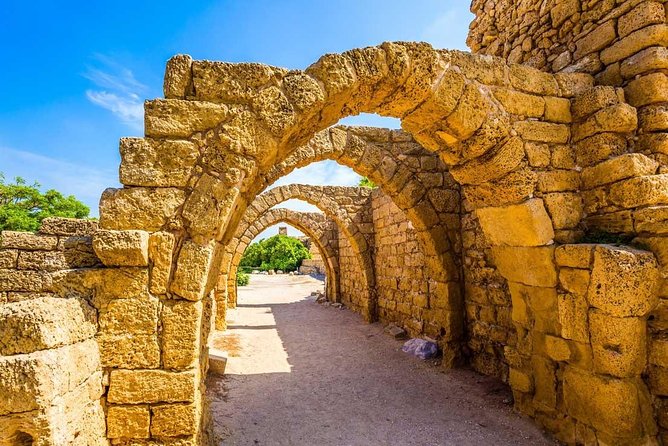
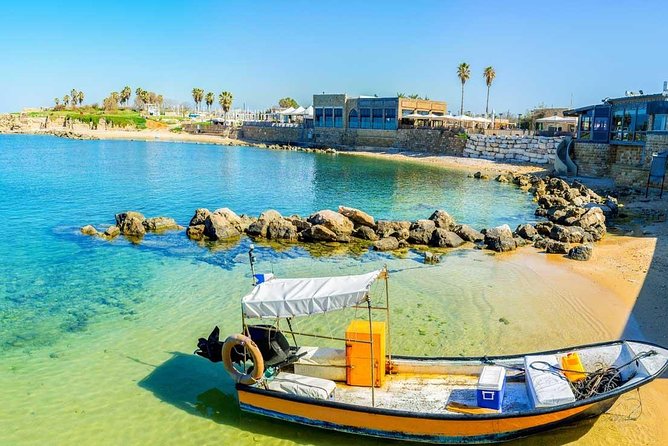
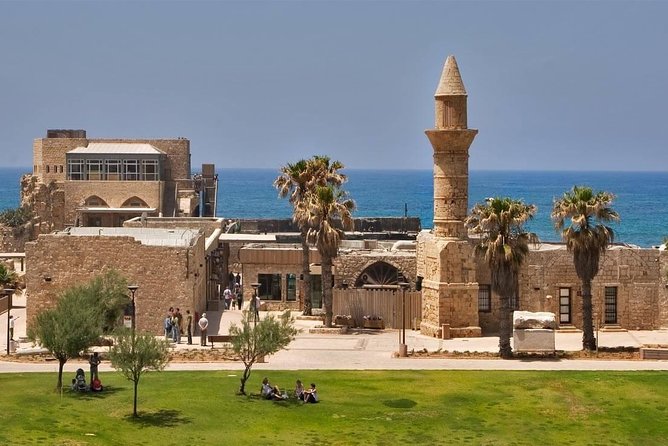
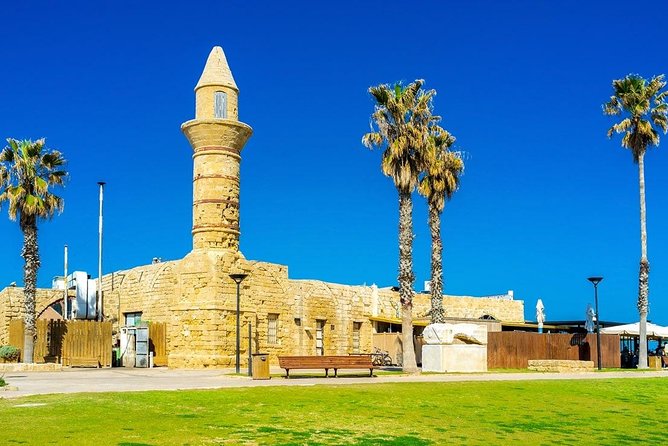
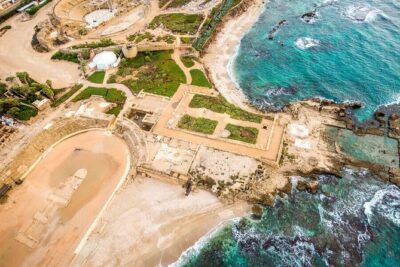
The first major stop is Caesarea National Park, where Herod built a grand port city and named it for Caesar. The remains give you a clear sense of a wealthy Roman-era settlement rather than a small archaeological outpost.
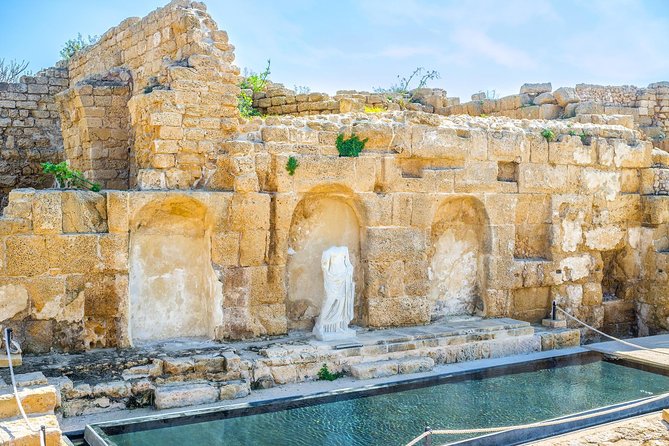
In about an hour, you can see gateways, a moat, walls, and preserved rooms. The Roman amphitheater is the star. It remains remarkably intact and still hosts performances by Israeli and international artists, which gives the ancient structure a living purpose rather than leaving it as a silent pile of stones.
Next to the theater is part of the old hippodrome. That detail helps you picture the city as a place of public shows, political display, and elite life. Herod was not building a modest provincial town. He was creating a city designed to impress.
I like the way Caesarea starts the day. It gives you a strong historical anchor before the route moves toward Haifa and the border. The site also offers a useful lesson in scale: Roman cities depended on public buildings, engineered defenses, and grand entertainment spaces.
The limitation is the one-hour visit. You will need to keep moving, and there is not much room for a slow archaeological study. I would listen closely to the guide here, since a short explanation can help connect scattered foundations and partial walls into a coherent picture.
Haifa and the Baha’i Gardens: A Brief View

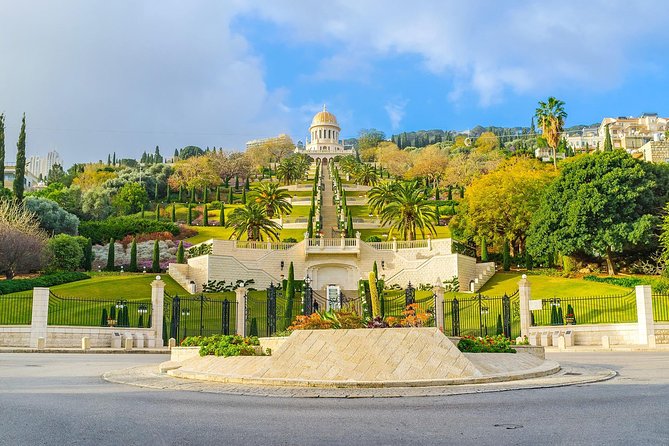
The Haifa stop is short, around 20 minutes, but it offers one of the tour’s most photogenic views. The Baha’i Shrine and gardens descend down the mountain toward the city, arranged across 19 terraces filled with flowers and precise landscaping.
From this viewpoint, the gardens create a strong visual line between the upper slopes and Haifa below. The scene is orderly and carefully maintained, a sharp contrast to the rough stone at Caesarea and the natural caves later in the day.
You should keep your expectations in check. This is a viewing stop, not a full garden visit. Twenty minutes gives you time to see the terraces and take photographs, but not to explore the entire complex at a relaxed pace.
Still, I think the brief stop earns its place. It breaks up the ancient ruins with a modern religious landmark and a high city view. If you enjoy architecture and designed gardens, you will likely wish for more time here. If you mainly want a quick look from the road, the stop does the job.
Rosh Hanikra: Cable Car to the Grottoes
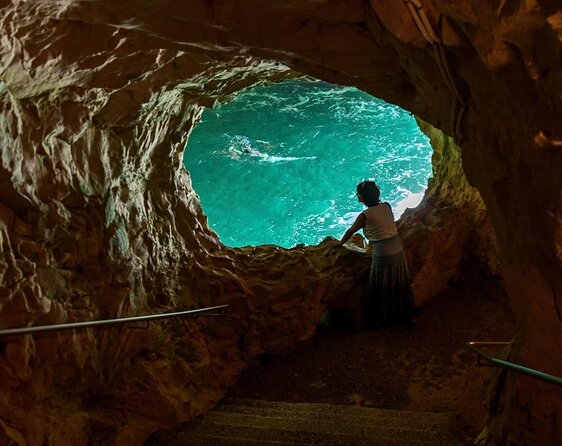
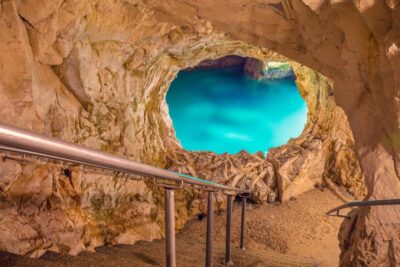
Rosh Hanikra is the most dramatic natural stop. It is the northernmost point on Israel’s Mediterranean coast, and the rock has been shaped by constant wave action. You take a cable car down toward a network of limestone grottoes carved into the shoreline.
The ride itself is part of the appeal. You move from the upper coast toward the water, with the rock face and sea opening beneath you. At the bottom, the grottoes provide a cooler, more enclosed setting after the exposed archaeological sites.
You have about an hour at the main Rosh Hanikra stop, followed by roughly 40 minutes connected with the Lebanese border and the grotto area. The supplied schedule treats these as separate portions of the visit, so expect the site to receive a substantial share of the day.
The caves are especially rewarding because they are both geographic and historical. The waves created the openings, but the border setting adds political weight. You are looking at a natural corridor that also sits beside a sensitive international boundary.
One guide, Yaacov, made the stop more personal by sharing the story of his Bar Mitzvah at the grottoes. That kind of local connection can turn a quick photo stop into a place you remember.
Bring water, a hat, and good walking shoes. The coastal sun can be strong, and one account of the day described the heat as a real factor. The site also includes walking, so footwear matters more than stylish shoes. The cable car and grotto admission are covered under the tour’s included entrance fees.
More Jerusalem tours worth comparing
- From Jerusalem: Masada & Dead Sea Full Day Tour with Pick Up
★ 4.5 · 815 reviews - Masada and the Dead Sea Day Trip from Jerusalem
★ 4.5 · 757 reviews - From Jerusalem: Nazareth and Sea of Galilee Tour
★ 4.5 · 588 reviews - Nazareth and the Sea of Galilee Day Trip from Jerusalem
★ 4.5 · 446 reviews
The Lebanese Border and the Meaning of the Setting
The border stop is not simply another viewpoint. It gives the northern end of the route a clear geographic purpose. Rosh Hanikra is where Israel’s Mediterranean coast meets a border zone, so the visit combines geology with regional history and present-day security concerns.
The tour description specifically includes a chance to explore the grottoes and see the defensive system connected with protection from Lebanon. You should expect this part to be more about observation and explanation than independent exploration.
This is also where the route feels furthest from Jerusalem. The long ride becomes worthwhile if you want to understand the shape of Israel’s northern coast, not just collect a few famous names.
Acre: Crusader Walls and Difficult Chapters
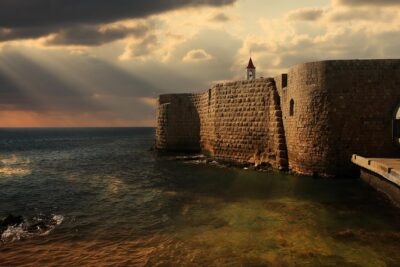
Acre, also called Akko, gives you the most layered urban stop of the day. The Old City preserves Crusader remains, including structures associated with the Templar Knights. You also visit the citadel, where the past is not limited to medieval warfare.
The citadel includes a prison used under Turkish rule. It also contains the gallows used under the British Mandate to execute Jews who broke British rules limiting Jewish immigration to Palestine after World War II. This is a sobering part of the visit, and the guide’s explanation matters. Acre is not only a picturesque old quarter. Its buildings carry memories of imprisonment, conflict, and political struggle.
You have about an hour in the Old City and another hour at the citadel. That is enough to gain a sense of the place and see key remains, though not enough for a long independent walk through every lane.
I like Acre as the final major stop because it adds human tension to the route. Caesarea shows imperial ambition, while Acre shows how different powers reused the same fortified setting over centuries. The old city also gives the day a more intimate finish after the open coast and large Roman remains.
Food and drinks are not included, so plan your budget accordingly. One account of the day praised the lunch stop, but the stated inclusions do not cover meals. I would ask the guide early about the timing and location of the food break so you are not caught without water or a snack.
Guides Can Shape the Day
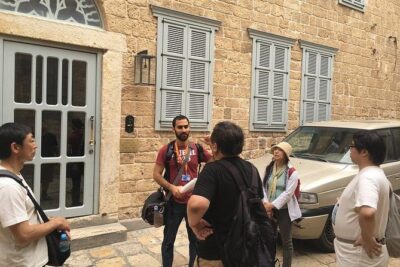
The quality of this tour depends heavily on the guide. Several named guides received strong praise for making the stops clearer and more personal. Aviva was credited with adding depth to Caesarea and Acre. Sivan was praised for explaining Rosh Hanikra from both a geographic and historical angle. Dane and driver Mohammed Abbasi were singled out for putting strong effort into the day, while Yaacov was remembered for his personal story at the grottoes.
The tour offers multilingual guiding in English, German, French, and Spanish. One Spanish-language group also benefited from a guide who spoke Portuguese, though that should not be treated as a guaranteed feature.
There is a practical caution here. At least one person found the guide rude during a complicated transfer, while another reported that narration did not begin until the guide joined the group about an hour into the drive. That suggests the early part of the day may not always feel polished.
Ask who your guide is and confirm the language at pickup. A strong guide can make the long driving stretches useful. A weaker handoff can leave you wondering what is happening, especially before the first stop.
Transport, Timing, and Group Size

Pickup begins at 5:40 am, and the tour lasts about 12 hours. People picked up in Jerusalem join the tour from Tel Aviv, which is an important detail to understand before you pay. The transfer arrangement can add complexity to the start of the morning.
The vehicle is air-conditioned, a major benefit during a hot coastal day. The maximum group size is 40, so this is not a private or small-group outing. You should expect the usual movement of a larger organized group, including coordinated boarding and fixed departure times.
Pickup reliability appears to be the main logistical risk. One person reported waiting 45 minutes, and another described a late operator, a group split, and an uncomfortable taxi transfer involving four people. These problems may be isolated, but they are worth taking seriously because a late start can reduce already limited time at the sites.
The vehicle itself drew mixed feedback. Air conditioning helps, but one account found the van uncomfortable and short on legroom. If you are tall or dislike long road journeys, this is a real consideration. Wear comfortable clothes, keep water within reach, and use every planned bathroom break.
Is $108 Good Value?
At $108, the tour offers reasonable value if you want to see all four places in one day. The price includes hotel pickup and drop-off, a professional guide, an air-conditioned vehicle, and entrance fees. Those inclusions remove several costs that can add up when you arrange the route yourself.
The value is strongest for people staying in Jerusalem who do not want to rent a car or work out the coastal connections. You get a guide, a fixed route, and access to far northern Rosh Hanikra without managing the return journey.
The value is weaker if you want freedom. You cannot easily extend your time at Caesarea, linger in Haifa, or spend hours wandering Acre. Food, drinks, and insurance cost extra, and the early start can make the day feel expensive in energy even if the price is fair in money.
I would compare this tour with the cost of separate transport, admission fees, and the planning time needed to reach the border area. For a first visit, the convenience is a strong part of what you are buying.
Who Should Book This Tour?
I would recommend it to you if you want a broad northern-coast sampler, enjoy guided historical context, and have only one open day. It also suits families with children aged four and older who can handle a long day, though the early pickup and vehicle time need to be considered.
You will get the most from it if you enjoy variety. The day moves from Roman ruins to a mountain garden, then to sea caves and a fortified old city. You should also be comfortable with walking, heat, fixed timing, and a group that may be as large as 40 people.
I would choose a slower independent visit instead if your main goal is detailed time in Acre, a full exploration of the Baha’i Gardens, or a quiet archaeological day at Caesarea. The tour gives you range, not depth.
For a smoother morning, confirm your pickup details, guide language, and meeting arrangement in advance. Bring water, sun protection, good walking shoes, and money for food. Free cancellation is available up to 24 hours before departure, but changes or cancellations inside that window are not refunded.
Should You Book It?
Book this tour if you want to cover the northern coast from Jerusalem with minimal planning and strong variety. Rosh Hanikra and Caesarea are the main reasons to go, while Acre adds the most serious historical detail.
Skip it if a late pickup, a crowded vehicle, or a 12-hour schedule would sour your day. At $108, it is a fair package for four widely separated stops, but you are paying with time and stamina as well as money. Go prepared, and this can be one of the more efficient ways to meet northern Israel in a single day.
FAQ
Where does the tour begin?
The tour begins with pickup in Jerusalem at approximately 5:40 am.
How long does the tour last?
The tour lasts approximately 12 hours.
Does the tour provide hotel pickup and drop-off?
Yes. Hotel pickup and drop-off are included.
Which places does the tour visit?
The route includes Caesarea National Park, the Baha’i Gardens in Haifa, Rosh Hanikra, the Lebanese border area, Acre’s Old City, and the Citadel of Acre.
Is the cable car at Rosh Hanikra included?
The tour includes entrance fees, and the Rosh Hanikra visit includes a cable-car ride to the limestone grottoes.
Are food and drinks included?
No. Food and drinks are not included in the tour price.
Is insurance included?
No. Insurance is not included.
What languages are available?
Guided tours are available in English, German, French, and Spanish.
What is the minimum age?
The minimum starting age is four years old.
How large can the group be?
The tour can have a maximum of 40 people.
What is the cancellation policy?
You can cancel at least 24 hours before the start time for a full refund. Cancellations or changes made less than 24 hours before departure are not refunded.
Recently listed in Jerusalem
- West Bank Tour from Jerusalem and Tel-Aviv – Bethlehem & Jericho★ 5.0 · 6 reviews
- Tour of Jerusalem & Dead sea private tour★ 5.0 · 4 reviews
- One-Day Tour to Bethlehem and Jericho★ 5.0 · 2 reviews
- jerusalem classic tour★ 5.0 · 3 reviews
- full day tour Jerusalem price per van up to 6 people★ 5.0 · 8 reviews
- kosher Israel wine tour★ 5.0 · 4 reviews
- Private Silk Painting Workshop in Jerusalem – Create a scarf –★ 5.0 · 4 reviews
- Experience Shabbat With Dinner In Jerusalem★ 5.0 · 5 reviews
Caesarea and Acre Tours, compared.
Caesarea, Rosh Hanikra and Acre Day Trip from Tel Aviv
Read our review →
Caesarea, Acre & Rosh Hanikra Day Trip from Jerusalem
Read our review →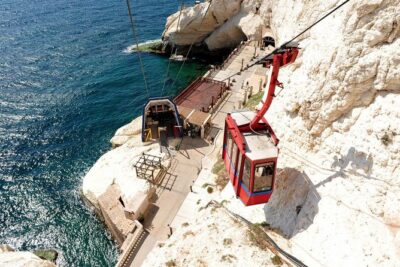
Unforgettable Tour to Caesarea, Haifa, Acre and Rosh HaNikra from Tel Aviv
Read our review →
Tel Aviv/Jerusalem: Caesarea, Haifa & Akko Day Tour
Read our review →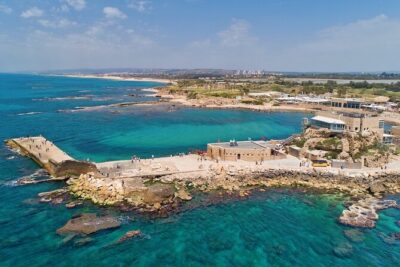
Browse the lists this tour appears in