

Reviewed · JERUSALEM OLD CITY TOURS
Tel Aviv & Old City of Jaffa – Tiny group from Tel Aviv
Start with Tel Aviv’s oldest streets. This small-group walking tour links Neve Tzedek, the White City, and Old Jaffa in about three hours, giving you a useful first look at how modern Tel Aviv grew beside one of the world’s oldest ports. I like the maximum group size of 10, which should make it easier to hear the guide and ask questions. I also like the route’s mix of architecture, recent history, and Ottoman-era remains.
The main drawback is the price. At $139 per person, this is not a bargain for a walking tour that does not include food, drinks, or entrance tickets. The value depends on how much you want historical explanation and personal guidance rather than simply seeing the sights on your own.
In This Review
- Key Points at a Glance
- Why This Route Works for a First Look at Tel Aviv
- Neve Tzedek and Tel Aviv’s First Neighborhood
- The Suzanne Dellal Centre and a Changed Neighborhood
- HaTachana, Tel Aviv’s Former Railway Station
- Tel Aviv’s White City and Bauhaus Details
- Independence Hall and the Story of Modern Israel
- Entering Old Jaffa Through the Clock Tower
- Ottoman Remains and the Seraya Building
- What the Small Group Changes
- Is $139 a Fair Price?
- Who Will Get the Most From This Walk?
- Practical Details Before You Book
- Should You Book Tel Aviv and Old Jaffa?
- FAQ
- How long does the Tel Aviv and Old Jaffa tour last?
- Where does the tour begin?
- Where does the tour end?
- What time does the tour start?
- How many people can join the tour?
- Are food and drinks included?
- What happens if the weather is poor or the minimum group size is not reached?
Key Points at a Glance
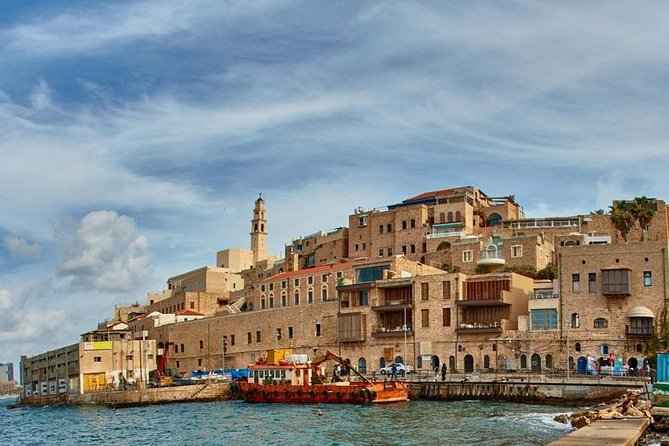
- Small groups of up to 10: You spend less time gathering people and more time looking at the city.
- A strong first-day route: Neve Tzedek, HaTachana, central Tel Aviv, and Old Jaffa create a useful overview.
- White City architecture: The guide explains why Tel Aviv’s Bauhaus buildings earned UNESCO World Heritage recognition.
- A one-way walking experience: You begin at the Dan Panorama Tel Aviv and finish at Jaffa’s Clock Tower.
- History tied to modern Israel: Independence Hall and Jaffa’s Ottoman buildings help connect old and new.
- Good footwear matters: The tour requires a moderate level of fitness, and comfortable shoes are recommended.
Why This Route Works for a First Look at Tel Aviv
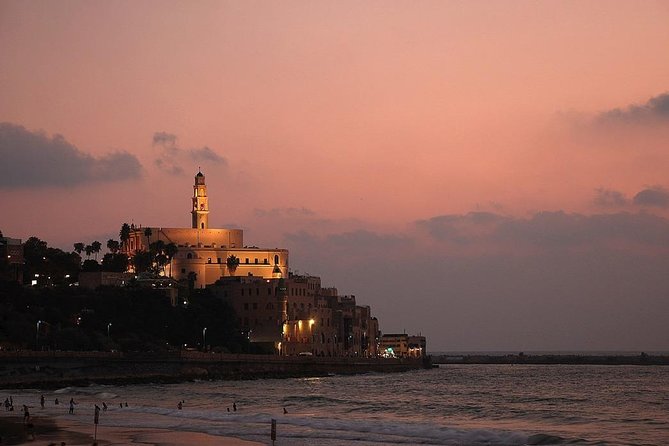
Tel Aviv can feel confusing at first. Its streets shift quickly from modern apartment blocks to low historic houses, from seaside hotels to old port districts. This tour gives you a clear north-to-south story by beginning near the southern side of central Tel Aviv and continuing on foot toward Jaffa.
You start at the Dan Panorama Tel Aviv on Kaufmann Street at 10:00 a.m. The tour ends at the Clock Tower on Yefet Street in Jaffa, so this is not a loop that returns you to the starting point. I see that as useful rather than inconvenient. You finish in one of the city’s best areas for continuing on your own, but you should plan your day around the one-way route.
The tour lasts about three hours, with the overall duration listed as roughly three to four hours. That is enough time for a proper introduction without taking over your whole day. You should still allow some flexibility, since one past departure reportedly began 30 minutes late. The operator said a message and phone call had been sent about the delay, so check your phone before meeting the guide.
More City Tours in Tel Aviv
- From Tel Aviv: Jerusalem Old & New City Bus Tour
★ 4.2 · 824 reviews - From Tel Aviv: Jerusalem Old City & Dead Sea Guided Day Tour
★ 4.4 · 389 reviews - From Tel Aviv: Jerusalem Old City Guided Tour
★ 4.6 · 59 reviews
Neve Tzedek and Tel Aviv’s First Neighborhood
The walking tour begins in Neve Tzedek, described as Tel Aviv’s first neighborhood. This is an important starting point because it gives you a look at the city before its later growth and modern building boom.
The focus here is on the character of the local houses. Rather than treating Neve Tzedek as a quick photo stop, the guide points out the unusual personality of the neighborhood’s early buildings and explains how the area fits into Tel Aviv’s development.
I like this part of the route because it gives the rest of the tour a human scale. You are not beginning with a broad city lecture or a list of dates. You are looking at streets and houses, then using them to understand how a new city took shape.
The neighborhood also introduces a useful contrast. Tel Aviv is often sold as a modern coastal city, but Neve Tzedek shows an older, more intimate side. That contrast makes the later Bauhaus architecture easier to appreciate.
The exact amount of time spent at each stop is not specified, so you should expect a guided overview rather than a long interior visit. The tour is primarily outdoors, and its appeal depends on your interest in buildings, city history, and the way districts change over time.
The Suzanne Dellal Centre and a Changed Neighborhood
The route continues to the Suzanne Dellal Centre, a cultural center in the old neighborhood. Its inclusion adds a cultural layer to the walk and helps show how older parts of Tel Aviv have been given new uses.
This is one of the more useful stops for understanding the city today. The tour does not only present historic buildings as frozen objects. It also shows how an older area can become part of Tel Aviv’s current cultural life.
I would pay attention here to the relationship between the center and the surrounding streets. The value is less about checking off one landmark and more about seeing how Neve Tzedek combines old houses with later cultural activity.
Because the tour does not include food or drinks, the Suzanne Dellal area may also be a helpful place to continue your own visit after the guided portion. The tour details do not promise a meal stop, so bring water and plan any café visit separately.
HaTachana, Tel Aviv’s Former Railway Station
Next comes HaTachana, a 19th-century railway station with distinctive structures. The old station is one of the route’s strongest stops because it adds transport history to the story of Tel Aviv and Jaffa.
You will see a former railway site that has been converted for modern use. That change is central to the appeal. HaTachana is not just an old station preserved for display. It represents a place where an earlier transport network has been adapted to fit the present city.
I like the way this stop broadens the tour beyond architecture. Neve Tzedek shows early neighborhood life. HaTachana brings in movement, trade, and the connection between Tel Aviv and Jaffa. Together, they make the route feel less like a collection of unrelated landmarks.
The description refers to HaTachana’s unique structures, but it does not promise entry into every building or a special exhibition. Expect to explore the site from the outside and hear the guide explain its place in the city’s story.
This is also a good point to notice the changing feel of the route. You move from residential streets to a larger historic complex, then continue toward Jaffa. The walk has a natural progression instead of repeatedly doubling back.
More walks around Jaffa and Neve Tzedek:
- Tel Aviv Jaffa Guided Bike Tour
★ 4.5 · 178 reviews - Tel Aviv: Jaffa Half-Day Walking Tour
★ 4.5 · 70 reviews - Tel Aviv: Jaffa & Carmel Market Walking Tour
★ 4.7 · 60 reviews - Best of Tel Aviv and Jaffa Walking Tour – 1 Day
★ 4.5 · 53 reviews
Tel Aviv’s White City and Bauhaus Details
Tel Aviv is known for its White City, a large collection of buildings shaped by Bauhaus and related modernist design. The tour explains the architectural features that helped earn the city UNESCO World Heritage status.
That explanation matters. You can admire pale façades and clean lines on your own, but a guide can point out why these buildings look different from older local architecture. The tour gives the buildings a place in the story of Tel Aviv rather than treating them as background scenery.
I would not book this experience expecting a specialist architecture seminar. The available details promise an explanation of the highlights, not a technical course or access to private interiors. Still, for a first visit, the overview should help you notice details you might otherwise walk past.
This section is particularly useful if you have already seen Tel Aviv from a car or bus. Walking slows the pace and lets you compare individual buildings and streets. The group limit of 10 should help here, since a large crowd can make it hard to stop, listen, and look upward without blocking the pavement.
The White City portion also connects with the tour’s wider theme. Tel Aviv is not presented as simply old or new. You see a young city with a modern architectural identity, built beside a much older port city.
Independence Hall and the Story of Modern Israel
Independence Hall is listed among the places you may see along the route. Its importance comes from the way it connects the city’s streets with the founding of modern Israel.
The tour’s strongest praise centers on historical explanation. One particularly favorable assessment noted that the guide placed Israel’s recent history within the much longer story of the region. That is exactly the sort of context that can make a short city tour worthwhile.
I value that approach because Tel Aviv and Jaffa can otherwise feel like separate sightseeing stops. Independence Hall helps link them to the political and social story of the country. The guide is expected to explain the highlights rather than simply point at a façade, and past feedback praised the guide’s cheerful, flexible manner and historical teaching.
The tour does not state that you enter Independence Hall, so you should treat it as a sight viewed during the walk unless the guide says otherwise. That distinction matters if you are hoping for an indoor museum visit or a longer stop.
Entering Old Jaffa Through the Clock Tower
The final section takes you into Jaffa, one of the oldest cities in the world and an ancient port. The Clock Tower provides a clear landmark and is also the tour’s endpoint.
Arriving in Jaffa after seeing Tel Aviv’s newer districts gives the whole walk its strongest contrast. You have moved from early Tel Aviv houses and modernist buildings into a much older urban setting with Ottoman remains and a long port tradition.
The Clock Tower is an easy place to recognize and a practical location for ending the tour. From here, you can continue exploring on your own, and the guide has specifically been praised for pointing out places in Jaffa worth visiting after the formal walk.
The tour does not include a return transfer to the Dan Panorama. That is worth planning around. You finish at Yefet Street 14, near the Clock Tower, rather than back at the hotel meeting point.
Ottoman Remains and the Seraya Building
In Old Jaffa, the route includes the Ottoman Seraya building and other parts of the old city. These stops add a layer of history that differs from both Neve Tzedek and the White City.
The Seraya building helps make Ottoman Jaffa more visible. Instead of seeing the old city only as a pleasant maze of streets, you get a reminder that Jaffa remained an important administrative and port center through later periods.
I like that the route includes this less obvious historical detail. The Clock Tower is easy to spot, but the Seraya building gives the guide something more substantial to explain. It also supports the tour’s wider aim of showing how several eras overlap in a relatively short walk.
Old Jaffa can be uneven underfoot, and the tour requires moderate physical fitness. Wear comfortable shoes, especially if you want to continue exploring after the guide leaves. In winter, bring warm clothing and an umbrella, since the experience depends on suitable weather and takes place outdoors.
What the Small Group Changes
The group size is limited to 10 people. That is not a private tour, but it is small enough to make a real difference on a walking route.
With fewer people, you should spend less time collecting participants and less time waiting for a large group to cross streets or gather around a landmark. You also have a better chance of asking a follow-up question without turning the guide’s explanation into a public speech.
The small format may explain why the tour is described as longer and more in depth than a rushed overview. Past feedback praised the guide’s ability to explain history clearly, stay cheerful, and remain flexible. That kind of interaction is easier in a group of 10 than in a group of 30.
There is one practical condition: the tour requires at least three people to operate. If that minimum is not met, the operator may offer another date or experience, or provide a full refund. Confirmation is sent within 48 hours of booking, subject to availability, so do not assume the departure is final until you receive it.
Is $139 a Fair Price?
At $139 per person, this tour is expensive for a three-hour walking experience. You are paying for a licensed professional guide, a small group, and a carefully connected route rather than for admission tickets or refreshments.
I can see the value if you want help understanding what you are seeing. The route covers several districts and historical periods, and the strongest positive feedback focused on the guide’s ability to connect ancient history with modern Israel. That kind of explanation can save you time and help the rest of your stay make more sense.
The value is weaker if you mainly want transportation, food, or entry to major attractions. None of those are included. You should also note that the tour is operated by Hallelujah Tours through Viator, which means the booking platform and the local operator are separate parts of the arrangement.
One past participant felt the experience was not worth the expense after a late start. The operator responded that the departure delay had been communicated and that the booking was upgraded to a private tour despite being sold as a group tour. That does not erase the inconvenience, but it does show why checking messages and answering calls on the morning of the tour is sensible.
Who Will Get the Most From This Walk?
I would recommend this tour to someone visiting Tel Aviv for the first time who wants a historical framework before exploring alone. It is also a good fit if you enjoy architecture, city development, and guided storytelling more than shopping or food stops.
The experience should suit you if you prefer a small group and do not want to spend your first day working out how Neve Tzedek, central Tel Aviv, HaTachana, and Jaffa fit together. The route gives you a useful map in your head.
You may want to skip it if you have limited mobility, dislike outdoor walking, or prefer to explore at your own pace. The tour requires moderate fitness, offers no stated transport between stops, and does not include meals or drinks.
Families and older visitors should consider the length, weather, and walking surfaces before booking. The information provided does not give a specific accessibility rating, so ask the operator directly if you need detailed mobility guidance.
Practical Details Before You Book
The meeting point is the Dan Panorama Tel Aviv at Kaufmann Street 10. The start time is 10:00 a.m., and the endpoint is the Clock Tower at Yefet Street 14 in Jaffa.
The tour uses a mobile ticket, and confirmation should arrive within 48 hours if space is available. Free cancellation is offered when you cancel at least 24 hours before the local start time. Changes or cancellations made later are not accepted for a refund.
Good weather is required. If poor weather cancels the experience, you can receive a full refund or choose another date. The same choice applies if the minimum number of three participants is not reached.
Plan to carry water, wear comfortable shoes, and check the forecast. For winter departures, the operator recommends warm clothing and an umbrella. Since food and drinks are excluded, decide in advance where you want to eat after reaching Jaffa.
Should You Book Tel Aviv and Old Jaffa?
Book this tour if you want context, not just landmarks. The route is well chosen, the group is capped at 10, and the strongest feedback praises the guide’s historical explanations and ability to connect ancient Jaffa with present-day Israel.
I would hesitate if $139 feels high for a short walk or if you mainly want independent sightseeing. The cost is easiest to justify when a good guide can turn Neve Tzedek, HaTachana, the White City, Independence Hall, and Old Jaffa into one clear story.
For a first visit, I think the tour is a strong orientation. Just confirm your departure, allow for a possible delay, dress for the weather, and remember that you finish in Jaffa rather than back at the Dan Panorama.
FAQ
How long does the Tel Aviv and Old Jaffa tour last?
The walking tour takes about three hours, with the overall duration listed as approximately three to four hours.
Where does the tour begin?
The meeting point is the Dan Panorama Tel Aviv at Kaufmann Street 10 in Tel Aviv-Yafo.
Where does the tour end?
The tour ends at the Clock Tower at Yefet Street 14 in Jaffa.
What time does the tour start?
The scheduled start time is 10:00 a.m.
How many people can join the tour?
The tour has a maximum of 10 participants and requires a minimum of three people to operate.
Are food and drinks included?
No. Food and drinks are not included in the tour price.
What happens if the weather is poor or the minimum group size is not reached?
If bad weather cancels the tour, or if the minimum number of participants is not met, you can receive a full refund or be offered another date or experience.
More Walks through the Old City
- Jerusalem Half-Day Tour from Tel Aviv: Holy Sepulchre and Western Wall
★ 4.0 · 61 reviews - Jerusalem Old City from Tel Aviv
★ 5.0 · 39 reviews - Jaffa: Old City, Port & Shuk Hapishpishim Walking Tour
★ 4.8 · 33 reviews - City of David and Underground Jerusalem Day Trip from Tel Aviv
★ 4.0 · 32 reviews
Recently listed in Tel Aviv
- Wine Tour North of Israel from Tel Aviv★ 5.0 · 2 reviews
- Private wine tour of Northern Israel★ 5.0 · 4 reviews
- private Full-day Tour to Jericho + the Dead Sea★ 5.0 · 3 reviews
- private Full-Day Tour to Bethlehem and Jerusalem★ 5.0 · 2 reviews
- Jerusalem and Dead Sea Trip from Tel Aviv★ 4.0 · 6 reviews
- Package VIP Skip Line Services in BGN Airport with Transfer to Tel aviv Hotels★ 5.0 · 3 reviews
- Private Transfer from Ben Gurion Airport to Tel Aviv, Bat Yam, Rishon LeZion★ 5.0 · 2 reviews
- VIP Tel Aviv airport Terminal 3 Fast Track Skip Line From plane★ 4.5 · 9 reviews
Jerusalem Old City Tours, compared.
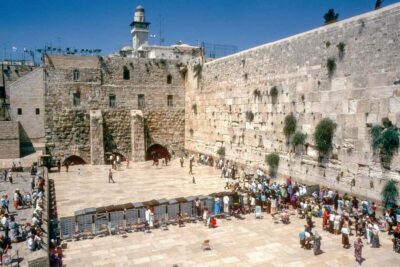
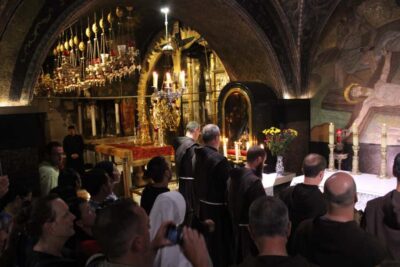
Best seller! Jerusalem old city four quarters tour
Read our review →


Jerusalem Half Day Tour: Holy Sepulchre and Western Wall
Read our review →
Jerusalem Half-Day Tour from Tel Aviv: Holy Sepulchre and Western Wall
Read our review →
Browse the lists this tour appears in