Reviewed · MARKETS
Tel Aviv: Carmel Market & Neighborhood Guided Walking Tour
The market is Tel Aviv with its sleeves rolled up. This 90-minute walk through Carmel Market and nearby streets gives you local food, immigrant stories, and everyday city life in one compact outing. I like the clear focus on malawach, sabich, spices, and produce, and I also like the short route, about 1 kilometer, which lets you see a lot without wearing out your feet. The main consideration is that food is not included unless you pay for the tasting option.
I also like the chance to explore Nachalat Binyamin, with its street art, crafts, pastel buildings, and Bauhaus details. A guide can explain what you are seeing instead of leaving you to wander through the market with only your camera and a growing appetite. The group can reach 15 people, so this is not a private stroll, and the narrow market lanes may feel crowded at busy times.
In This Review
- Key points to know before you book
- Why Carmel Market makes a smart first stop in Tel Aviv
- Meeting at the Poli House corner
- The food story starts with immigration
- Spices, produce, bakeries, and the pleasure of looking
- Yemenite character around the market
- From market lanes to Nachalat Binyamin
- What the 90-minute format does well
- Is the $39 price fair?
- Who will enjoy this walk most?
- Practical advice for getting the most from the tour
- Should you book the Carmel Market walk?
- FAQ
- How long does the Carmel Market walking tour last?
- How far does the tour cover?
- Where does the tour meet?
- What language is the tour offered in?
- Is food included in the standard tour?
- What does the food tasting upgrade include?
- Can I buy food or local products during the tour?
- Are drinks included?
- What should I bring?
- Can I cancel the booking for a refund?
Key points to know before you book
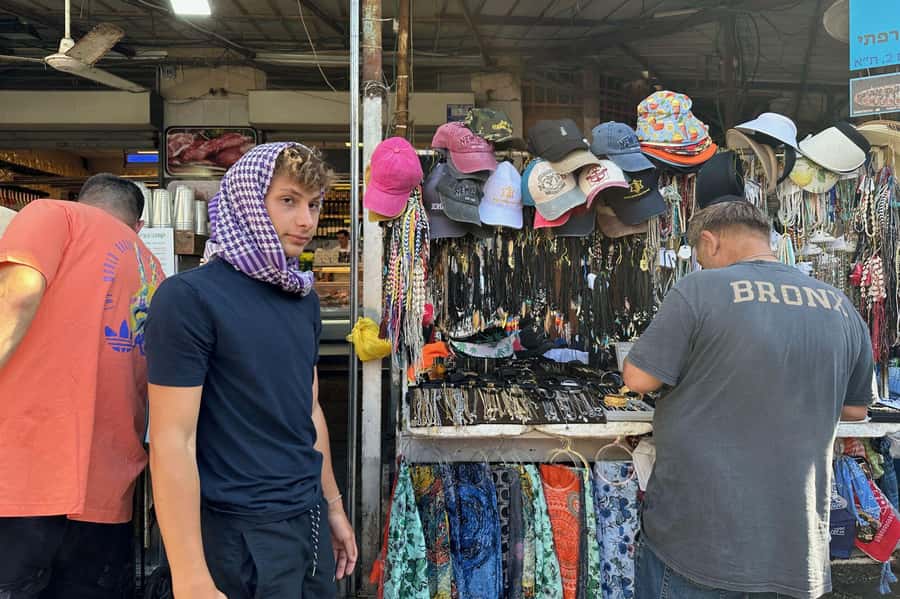
- Carmel Market is the main stage: You will walk among spice stands, bakeries, produce sellers, shops, and street vendors in Tel Aviv’s best-known open-air market.
- Immigrant food is central to the story: The guide explains how Jewish immigrants shaped local cooking, including dishes such as malawach and sabich.
- The walk covers about 1 kilometer: It is short in distance but full of sensory detail, with narrow lanes, food displays, pastel buildings, and street art.
- Nachalat Binyamin adds a creative side: The nearby district brings crafts, murals, and a different feel from the market stalls.
- Food tastings are optional: The standard tour includes time to buy products, but you need the tasting upgrade if you want food included as part of the tour.
- Katya receives especially warm praise: One verified booking described her as an exceptional guide who made the tour lively and closely connected to Israeli history.
Why Carmel Market makes a smart first stop in Tel Aviv
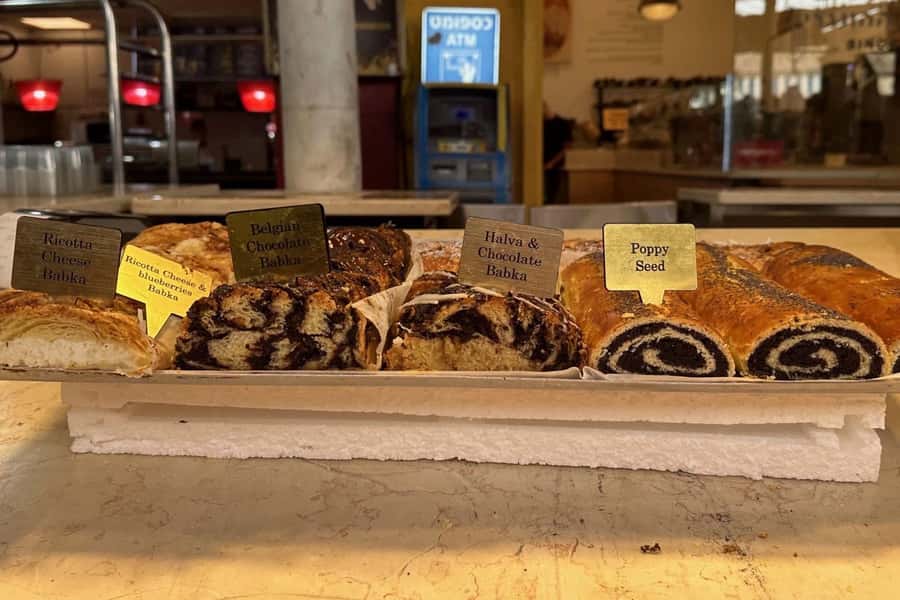
Carmel Market, or Shuk HaCarmel, sits in the center of Tel Aviv. It is not a polished food hall built for sightseeing. It is a working market, with vendors, shops, bakeries, fresh produce, spices, and prepared dishes sharing tight lanes.
That setting matters. You do not learn about Tel Aviv only through dates and monuments here. You see how people shop, eat, sell, and move through the city. The market gives you a direct look at the mix of traditions that shaped modern Tel Aviv.
I find guided market walks useful because the best details are easy to miss. A pile of spices may look attractive, but a local guide can explain how it fits into cooking and daily life. A filled bread or prepared dish may seem unfamiliar, yet its story can reveal where families came from and how recipes changed after immigration.
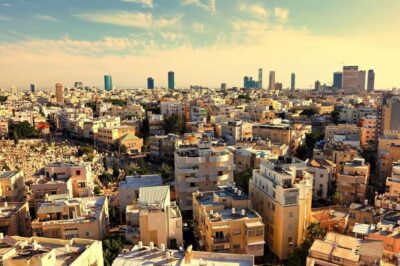
The market also gives you a strong introduction to the contrast at the heart of Tel Aviv. This is Israel’s most modern city, yet the market carries older food traditions and neighborhood rhythms. You get glass, traffic, and contemporary city life nearby, then a turn into narrow lanes full of color, aroma, and conversation.
More Walking Tours in Tel Aviv
- Walking Tour of Akko (Half-day)
★ 5.0 · 84 reviews - Tel Aviv: Jaffa Half-Day Walking Tour
★ 4.5 · 70 reviews - Tel Aviv: Florentin Saturday Walking Tour
★ 3.5 · 65 reviews
Meeting at the Poli House corner
The meeting point is on the corner outside the Poli House hotel, where the Carmel Market meets Allenby Street. This is a useful landmark because Allenby Street is a major city thoroughfare, while the market entrance can feel less obvious if you are approaching for the first time.
Arrive ready to walk rather than expecting a formal reception area. The tour starts in the city center and quickly moves into the market lanes. Comfortable shoes are important, even though the route is only about 1 kilometer. You will be walking on cobblestone streets and standing near stalls, so sandals that slip or hard shoes may become annoying.
Bring a hat, sunscreen, and water. The tour runs rain or shine, and the market does not offer the same comfort as an indoor museum. Tel Aviv sun can be strong, while wet cobblestones require extra care.
The guide speaks English. If you want to purchase local products, you will have free time during the walk, and the guide can help with translations when needed. That is a useful touch, especially if you want to ask a vendor about an unfamiliar spice, snack, or ingredient.
The food story starts with immigration
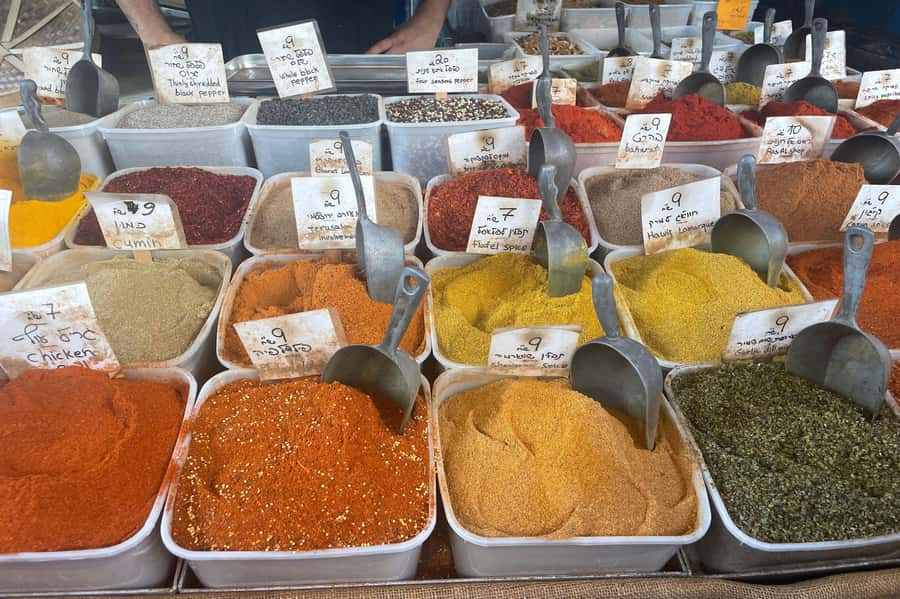
The strongest part of this walk is its food history. Tel Aviv’s cooking did not develop from one single tradition. Jewish immigrants brought recipes, methods, and tastes from different parts of the world, and the market became a place where those influences met.
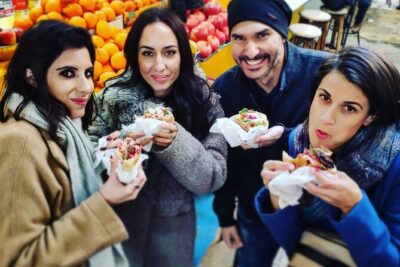
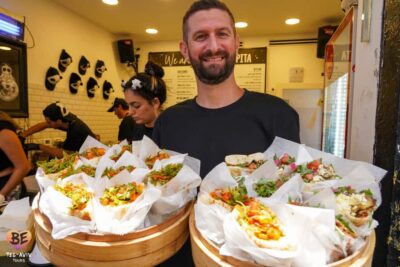
Your guide may point out dishes such as malawach and sabich. These are not just items to sample. They help explain how immigration changed what people ate in the region.
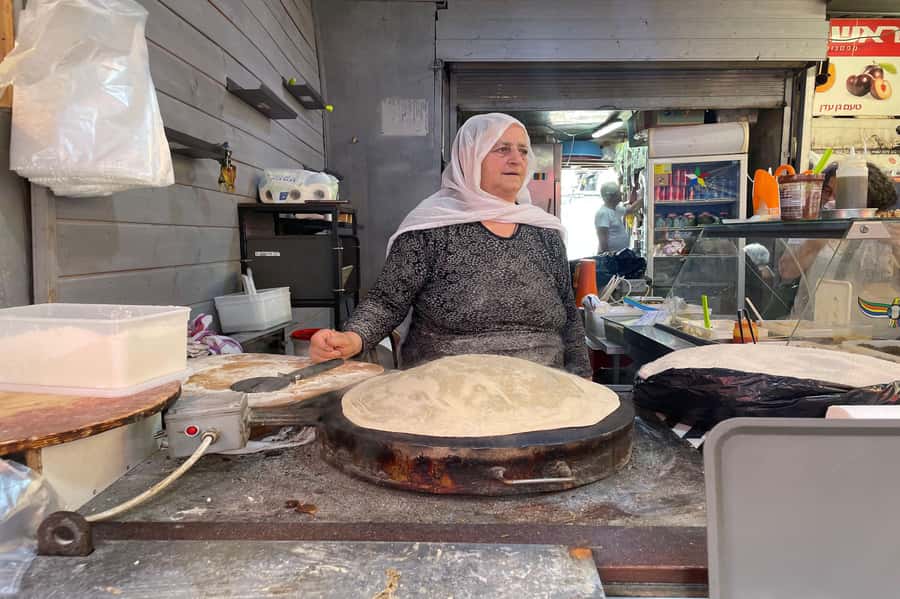
Malawach is associated with Yemenite Jewish cooking, and its presence connects the market to the Yemenite character of the surrounding area. Sabich reflects another immigrant food tradition and gives you a way to think about how a dish can move from family kitchens into everyday city food.
The value here is the connection between plate and place. You are not simply being told that Tel Aviv has many cultures. You are shown how those cultures appear in food stalls, bakeries, ingredients, and neighborhood habits.
I recommend listening for the practical details. Ask the guide which foods are eaten for breakfast, which items make good gifts, and which products are easiest to carry. The tour includes time to buy local products, but it does not include food or drinks unless you choose the tasting upgrade.
Spices, produce, bakeries, and the pleasure of looking
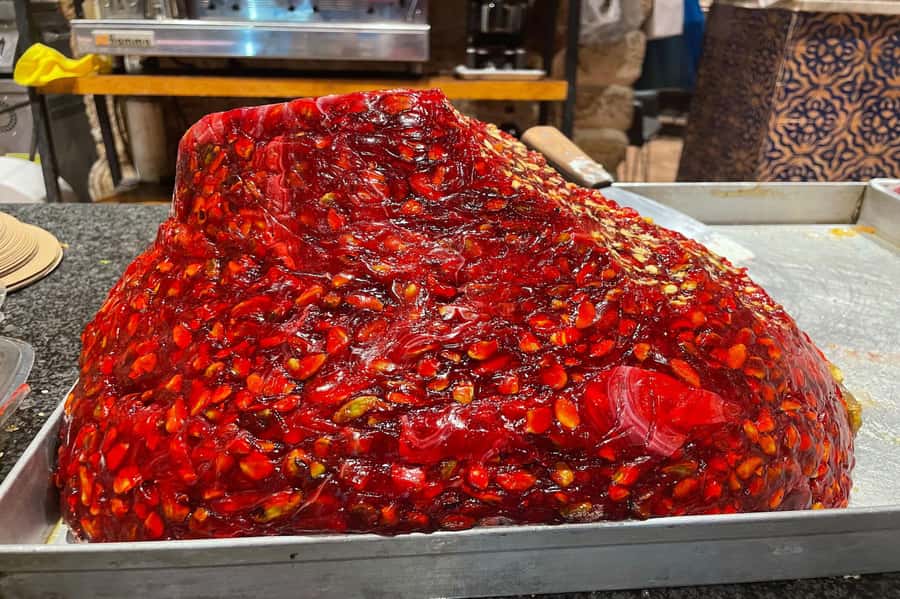
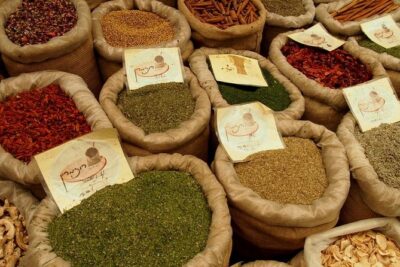
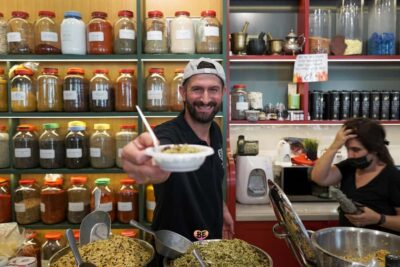
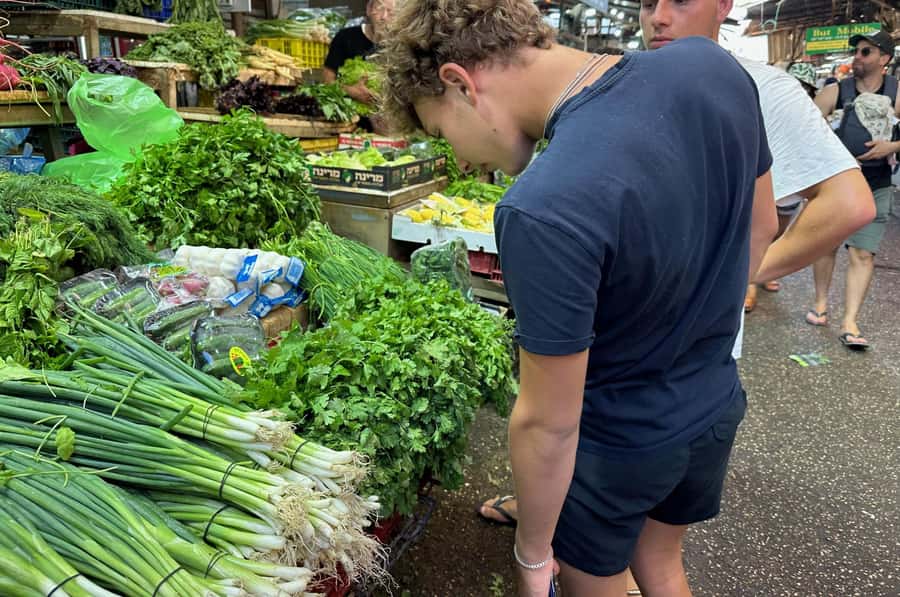
Carmel Market is a visual stop as much as a food stop. Expect displays of spices, fresh produce, dishes, and other products arranged along the market’s narrow paths.
You may find yourself paying attention to colors first, then smells, then the small movements of shopping life around you. A guide gives those impressions some order. Instead of simply taking photographs, you can learn what the products mean to local cooking and why the market remains important.
The standard tour is best for people who want explanation without committing to a full meal. You can look closely, ask questions, and decide what you want to buy. The tasting upgrade is better if food is one of your main reasons for booking.
The food upgrade is described as equivalent to a lunch portion. That makes it more than a token nibble, so consider your appetite and schedule before paying extra. If you already have lunch planned nearby, the standard option may offer better value. If you want the tour to serve as both a food experience and a guided walk, the upgrade is more practical.
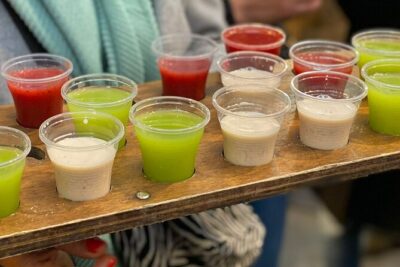
Drinks are not included, but you can purchase them as you go. Keep this in mind on a warm day. Water is worth carrying from the start, even if you plan to buy something later.
A different day out, same base:
- From Tel Aviv: Masada & Dead Sea Full Day Tour with Pick Up
★ 4.5 · 1,496 reviews - From Tel Aviv: Jerusalem and Bethlehem Guided Day Trip
★ 4.3 · 1,316 reviews - Masada and the Dead Sea Day Trip from Tel Aviv
★ 4.5 · 1,014 reviews - Tel Aviv: Jerusalem, Bethlehem & Dead Sea
★ 4.0 · 881 reviews
Yemenite character around the market
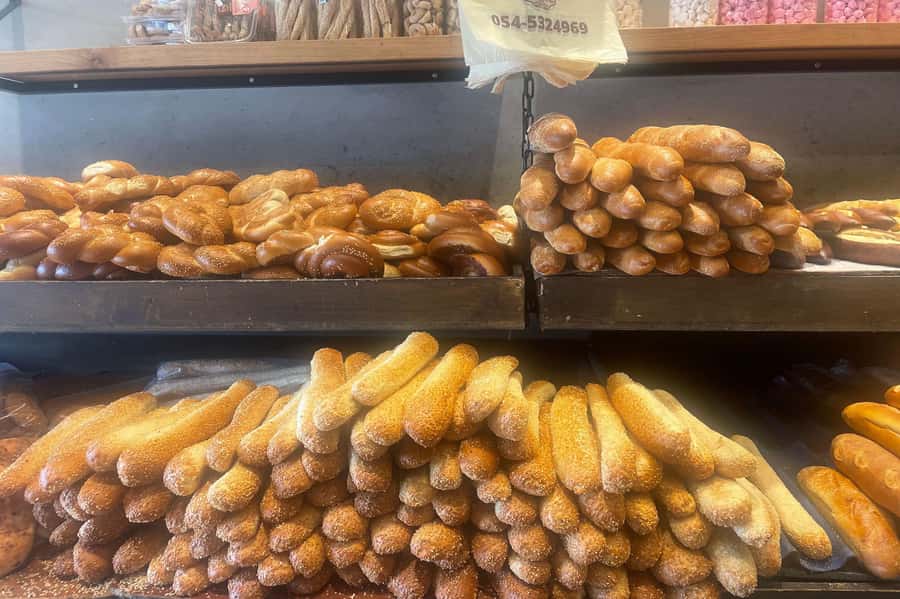
The tour adds a Yemenite twist to the market experience. That phrase is important because the walk is not only about a general Middle Eastern food scene. It also points you toward the specific cultural influence found in and around Carmel Market.
The guide explains how Jewish immigrants affected local food and culture. This helps you see the neighborhood as a place shaped by arrivals, adaptation, and everyday exchange. Recipes changed, ingredients found new uses, and foods became part of Tel Aviv’s common life.
I like this angle because it keeps the tour grounded. You are not being asked to memorize a long timeline. You are following history through things you can see and taste.
If you choose the food option, ask the guide to connect each tasting to its background. That makes the upgrade more worthwhile. Without that context, a tasting can become a quick snack. With context, it becomes part of the larger story about migration and local identity.
From market lanes to Nachalat Binyamin
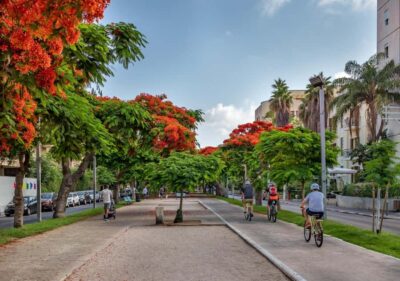
After the market, the walk continues into nearby Nachalat Binyamin. This district changes the mood. Carmel Market is about buying, eating, and moving through tight lanes. Nachalat Binyamin brings street art, local crafts, pastel-colored buildings, and architectural details.
The change helps you understand that central Tel Aviv is not one uniform area. A few turns can take you from food stalls to creative displays and historic-looking streets. Your guide reveals details that might otherwise blend into the background, especially the Bauhaus architecture mentioned as part of the walk.
The pastel buildings and cobblestone streets make this section especially appealing to anyone who enjoys urban design and photography. The area also gives you a chance to slow down after the market’s sensory overload.
Do not expect a full architecture tour. The experience lasts 90 minutes and covers several themes: food, immigration, market life, architecture, street art, and crafts. The guide provides an introduction rather than an exhaustive study of Bauhaus design.
That balance is sensible for a short city walk. You get enough context to recognize what you are seeing, then you can return later if a particular street or building catches your eye.
What the 90-minute format does well
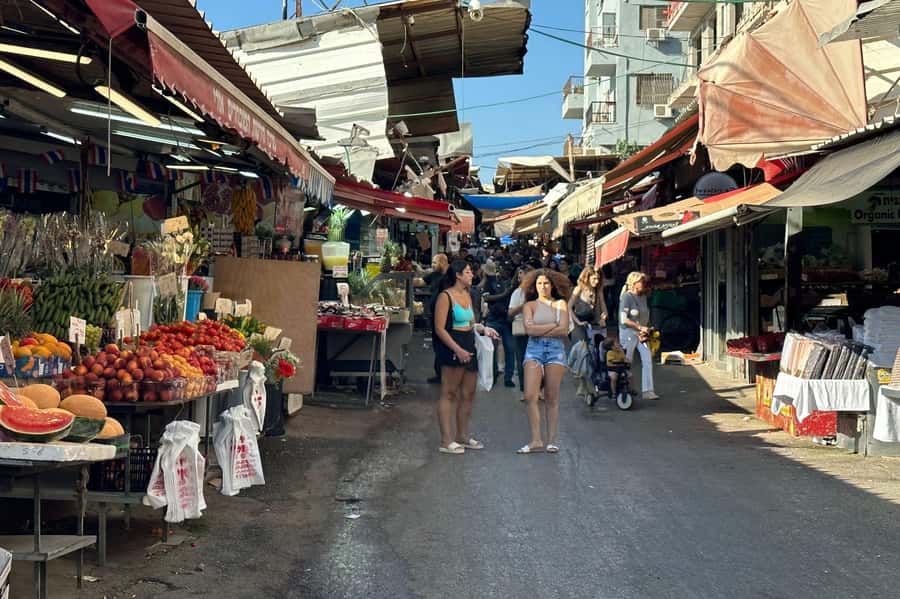
Ninety minutes is a useful length for this outing. It fits easily into a morning, afternoon, or first day in Tel Aviv. You can use it as an orientation before exploring the city independently.
The route is short, but the experience is not empty. The market gives you plenty to look at, while the guide adds food and cultural context. The compact distance also makes it a reasonable choice if you want a taste of the area without booking a long walking excursion.
The limitation is pace. A 90-minute tour cannot give every stall, recipe, building, and neighborhood story equal attention. You will need to accept a selected introduction rather than a complete survey.
The group size can reach 15 people. That is small enough for a guide-led walk, but not so small that every question will receive unlimited attention. In narrow lanes, staying close to the guide matters. If you pause too long for a photograph or a purchase, you may need to catch up.
The experience is offered with a live English-speaking guide. The individual guide can shape the tone of the walk, and Katya has been praised for making the experience lively and closely tied to Israeli history. That specific praise is a good sign for anyone who values storytelling over a simple list of market facts.
Is the $39 price fair?
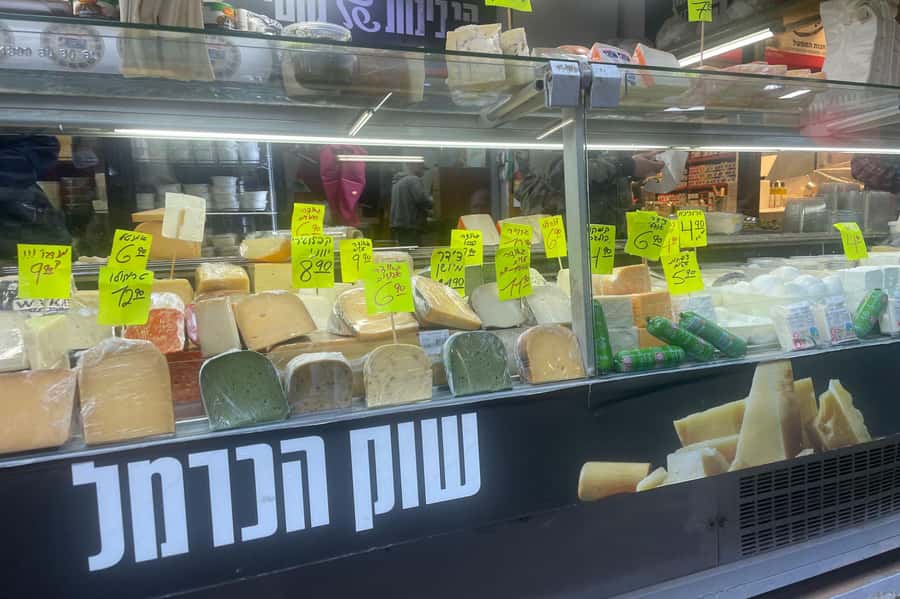
At $39 per person, the standard tour is priced as a guided introduction rather than a cheap market stroll. The value depends on what you want from Carmel Market.
If you only want to wander, take photographs, and buy snacks, you can explore the market without paying for a guide. In that case, the tour price may feel unnecessary.
If you want to understand the food traditions, learn how immigration shaped the neighborhood, get help translating purchases, and see the market alongside Nachalat Binyamin, the price is more defensible. You are paying for interpretation and structure, not admission to the market itself.
The lower per-person price when two or more people book together also makes it more attractive for couples, friends, and families. Food is extra unless you choose the tasting option, so compare the full cost with your plans for lunch.
I would choose the standard version if I had already arranged a meal. I would consider the tasting upgrade if I wanted a food-centered morning and preferred to let the guide shape what I tried.
Who will enjoy this walk most?
I would recommend this experience to first-time visitors who want an easy introduction to central Tel Aviv. It suits people who care about food, immigration stories, architecture, street art, and local shopping.
It is also a good fit for curious eaters who want to try dishes such as malawach and sabich but would appreciate help understanding them. Families may like the short route, though children and infants must be accompanied by at least one paying adult.
History enthusiasts will find useful connections between immigration and daily life. Architecture fans will enjoy the Bauhaus references and pastel buildings, while shoppers can use the free time to look for local products.
The tour is less suitable if you want a private, quiet experience or a long architecture lecture. It may also be frustrating if you need to move slowly and cannot bring an active companion. People with mobility issues must be accompanied by an active companion, and the route includes cobblestone streets and market lanes.
Practical advice for getting the most from the tour
Wear shoes that can handle cobblestones and standing. Bring water, a hat, and sunscreen, since the walk goes ahead in rain or shine.
Do not arrive with a completely full stomach if you select the tasting option. The food portion is described as equivalent to lunch. If you choose the standard tour, leave room for purchases and plan to buy drinks separately if needed.
Keep a little time after the tour for independent browsing. The walk gives you an introduction, but the market rewards a second look at stalls you passed quickly. If you spot a spice, pastry, or product you want, ask the guide for help before the group moves on.
Book with the timing of your wider day in mind. The meeting point is at the Carmel Market and Allenby Street, so the tour works well alongside other plans in central Tel Aviv. Free cancellation up to 24 hours ahead and reserve-now, pay-later booking also make it easier to fit into a changing itinerary.
Should you book the Carmel Market walk?
Book it if you want more than a quick market visit. The best reason to go is the link between food and people: malawach, sabich, spices, and produce become clues to the immigrant communities that shaped Tel Aviv.
The tour is especially worthwhile with the tasting upgrade if you want a lunch-sized food experience and guided introductions to local dishes. Choose the standard option if you mainly want stories, architecture, shopping time, and the freedom to buy your own food.
I would skip it only if you strongly prefer exploring alone or already know Carmel Market well. For a first visit, the short route, English-speaking guide, optional food, and nearby Nachalat Binyamin make this a useful and flavorful way to get your bearings in central Tel Aviv.
FAQ
How long does the Carmel Market walking tour last?
The tour lasts 90 minutes.
How far does the tour cover?
The route covers about 1 kilometer, or 0.6 miles.
Where does the tour meet?
Meet on the corner outside the Poli House hotel, at the junction of Carmel Market and Allenby Street.
What language is the tour offered in?
The live guided tour is offered in English.
Is food included in the standard tour?
No. Food is not included unless you select the food tasting upgrade.
What does the food tasting upgrade include?
The tasting option includes food equivalent to a lunch portion.
Can I buy food or local products during the tour?
Yes. You have time to purchase local products, and the guide can help with translations if needed.
Are drinks included?
No. Drinks are not included, but you are welcome to purchase them during the tour.
What should I bring?
Bring comfortable shoes, a hat, sunscreen, and water.
Can I cancel the booking for a refund?
Yes. You can cancel up to 24 hours in advance for a full refund.
More Shopping Tours in Tel Aviv
- Carmel Market Tasting Tour
★ 5.0 · 25 reviews - Tel Aviv: 2-Hour Carmel Market Tour in English with Lunch
★ 4.8 · 23 reviews - Tel Aviv: 2-Hour Levinsky Market Tour with Full Lunch
★ 4.7 · 10 reviews - Levinsky Market Tasting Tour
★ 5.0 · 8 reviews
More Market Walks in Tel Aviv
- Carmel Market Tasting Tour – LocaLocal
★ 5.0 · 140 reviews - Tel Aviv: Jaffa & Carmel Market Walking Tour
★ 4.7 · 60 reviews - Tel Aviv: Carmel Market & Tel Aviv Tour with Tastings
★ 3.8 · 36 reviews - Tel Aviv Food Tour of the Carmel Market
★ 4.0 · 29 reviews
Recently listed in Tel Aviv
- Wine Tour North of Israel from Tel Aviv★ 5.0 · 2 reviews
- Private wine tour of Northern Israel★ 5.0 · 4 reviews
- private Full-day Tour to Jericho + the Dead Sea★ 5.0 · 3 reviews
- private Full-Day Tour to Bethlehem and Jerusalem★ 5.0 · 2 reviews
- Package VIP Skip Line Services in BGN Airport with Transfer to Tel aviv Hotels★ 5.0 · 3 reviews
- Jerusalem and Dead Sea Trip from Tel Aviv★ 4.0 · 6 reviews
- VIP Tel Aviv airport Terminal 3 Fast Track Skip Line From plane★ 4.5 · 9 reviews
- Private Transfer from Ben Gurion Airport to Tel Aviv, Bat Yam, Rishon LeZion★ 5.0 · 2 reviews