
Reviewed · JERUSALEM OLD CITY TOURS
Jerusalem: Old City Highlights Tour
Jerusalem rewards a full day on foot. This tour brings together the Western Wall and Church of the Holy Sepulchre, then adds Mount Scopus views, the Old City quarters, and the Room of the Last Supper. I like the clear sweep of the route, and I like that entry fees, transport, and a guide are included. The main drawback is pace: ten hours and many sacred sites can feel demanding.
You should also watch the weekday schedule. On Mondays and Thursdays, except during Jewish holidays, the route changes to include the Holocaust Museum instead of several Mount Zion and Garden of Gethsemane stops. That is an important choice, especially for families, since children under 10 cannot visit Yad Vashem.
In This Review
- Key points at a glance
- Why this 10-hour Jerusalem tour makes sense
- Mount Scopus gives you the right opening view
- Zion Gate leads into the Armenian Quarter
- The Jewish Quarter and the Byzantine Cardo
- The Western Wall calls for quiet attention
- Following the Via Dolorosa
- The Church of the Holy Sepulchre
- The Old City bazaar adds everyday Jerusalem
- Gethsemane and the Church of All Nations
- Mount Zion and three important sites
- Language, transport, and the day’s practical rhythm
- Who should book this Jerusalem experience?
- Should you book the Old City Highlights Tour?
- FAQ
- How long is the Jerusalem Old City Highlights Tour?
- What languages are available?
- What does the $75 price include?
- Which holy sites are visited?
- Does the tour visit the Holocaust Museum?
- What should I wear?
- Is the tour suitable for young children or wheelchair users?
Key points at a glance
- Mount Scopus starts the day with a broad Jerusalem view, giving you useful bearings before entering the Old City.
- The route crosses several Old City quarters, including the Armenian and Jewish Quarters, the Byzantine Cardo, and the bazaar.
- The Western Wall and Church of the Holy Sepulchre anchor the religious visits, with time spent following the Via Dolorosa between them.
- Mount Zion adds a quieter historical stop, including the Dormition Church, King David’s Tomb, and the Room of the Last Supper.
- The itinerary changes on Mondays and Thursdays, when the Holocaust Museum replaces several listed stops.
- The $75 price includes practical basics, such as entry fees, an air-conditioned coach, pickup, drop-off, and a live guide in English, French, or Spanish.
Why this 10-hour Jerusalem tour makes sense
Jerusalem is not a city you understand from a single landmark. Its importance comes from the close overlap of Jewish, Christian, and wider Holy Land traditions, all packed into a compact and often complicated setting. This itinerary gives you a guided introduction instead of leaving you to piece together each quarter on your own.
I like the structure because it moves from a city-wide view to smaller streets and then back out toward the Kidron Valley and Mount Zion. You get the large picture first, followed by the details that make Jerusalem memorable: worn stone lanes, sacred walls, old market stalls, and places tied to major religious stories.
The $75 price is reasonable for a ten-hour outing if you want a broad first look. You are paying not only for access to included sites, but also for round-trip transport, pickup and drop-off, and a live guide. Food and drinks are not included, so you need to plan for that during a long day.
This is not a relaxed wandering tour. The schedule covers a lot of ground, and several stops are places where quiet attention matters more than a quick photograph. I would choose it for a first visit or a short stay, especially if you want the major sights organized into one day.
More City Tours in Jerusalem
- Jerusalem: Guided Walking Tour of the Old City
★ 4.7 · 386 reviews - Full Day City Tour of Jerusalem
★ 4.1 · 367 reviews - From Jerusalem Small group tour Old&New City ENTRY FEES INCL
★ 4.0 · 135 reviews
Mount Scopus gives you the right opening view
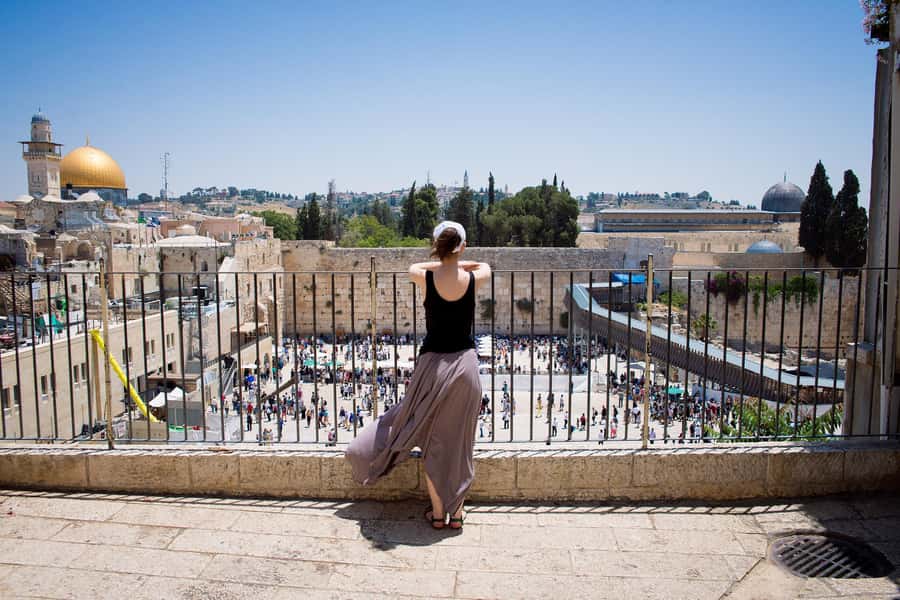
The tour begins with a panoramic view from Mount Scopus. This is a smart first stop because Jerusalem can feel confusing when you enter it at street level. From above, you can begin to understand the relationship between the Old City, the surrounding valleys, and the hills beyond.
The view also sets the tone. Jerusalem is a city of close distances but strong changes in atmosphere. A short movement from one ridge or quarter to another can shift the religious and historical character of the day.
The exact time spent at the viewpoint is not specified, so I would treat it as an orientation stop rather than a long scenic break. Bring a camera if you like broad views, but listen closely to the guide here. The explanation will help you recognize places later when the Old City walls and narrow streets make everything feel less clear.
Zion Gate leads into the Armenian Quarter
The Old City portion begins through historic Zion Gate and continues into the Armenian Quarter. This is a good entrance because the tour does not send you straight to only the most famous sites. Instead, you begin with one of the Old City’s distinct quarters and get a sense of how the area is divided.
The Armenian Quarter offers a calmer start than the market streets you will encounter later. Its presence also reminds you that the Old City is not one single neighborhood. Each quarter has its own religious traditions and visual character, even when the lanes seem tightly packed together.
Expect walking on old stone surfaces and through narrow passages. Comfortable shoes are a sensible choice. The tour is not suitable for wheelchair users, and the itinerary would be difficult for anyone who finds uneven walking surfaces or long periods on foot uncomfortable.
The Jewish Quarter and the Byzantine Cardo
The route then enters the Jewish Quarter, where you see remains of the Byzantine Cardo. A cardo was a main north-south street in a Roman or Byzantine city. Here, the remains help connect present-day Jerusalem with its earlier urban plan.
This stop is valuable because it gives you something physical to read in the streets. Instead of hearing only names and dates, you can see how an older commercial and civic center once worked. The guide can provide the context that ruins alone do not always offer.
The Jewish Quarter also prepares you for the Western Wall. The sequence matters. You move from the quarter’s streets and ancient remains toward one of the most important Jewish prayer sites in the world.
More walks through the Old City:
- Best seller! Jerusalem old city four quarters tour
★ 5.0 · 123 reviews - Private Tour Jerusalem Old City
★ 5.0 · 118 reviews - All Inclusive Walking Tour Old City Jerusalem
★ 5.0 · 83 reviews - Jerusalem Half Day Tour: Holy Sepulchre and Western Wall
★ 4.5 · 80 reviews
The Western Wall calls for quiet attention
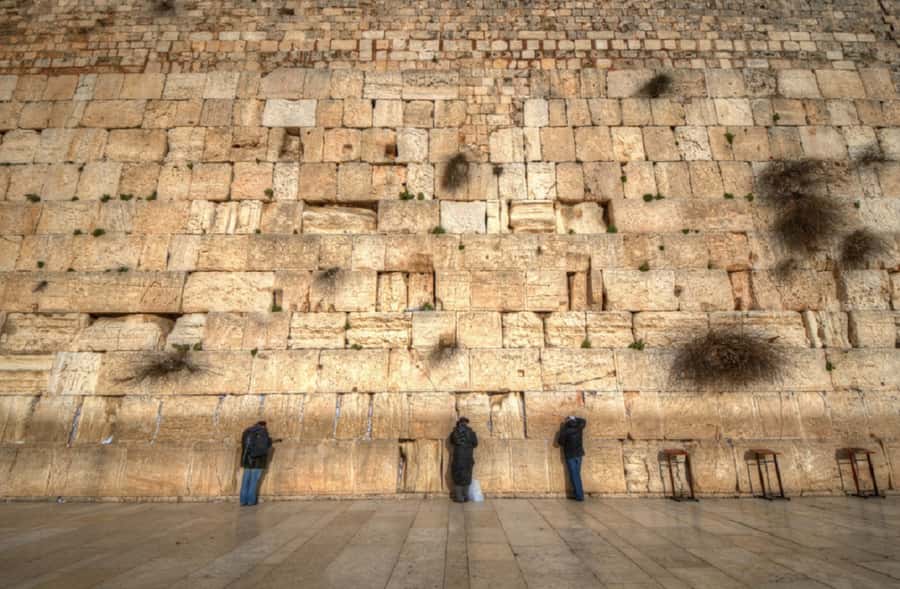
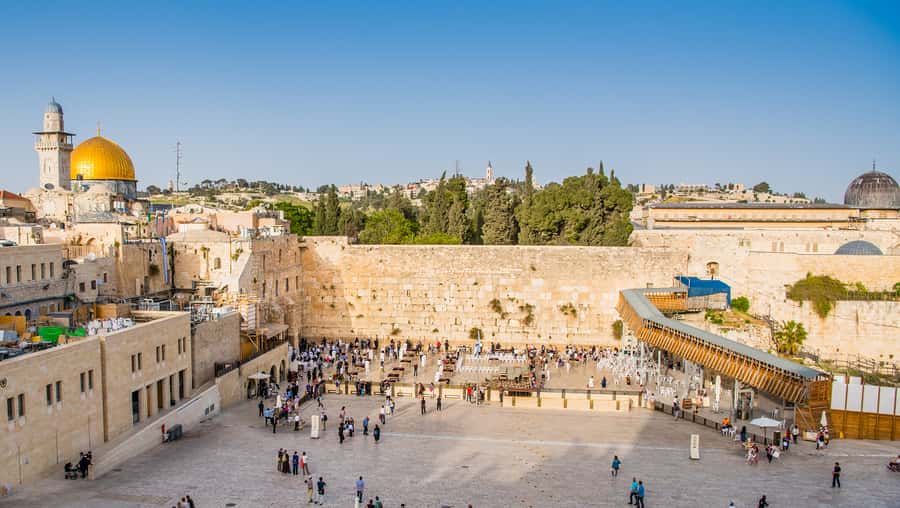
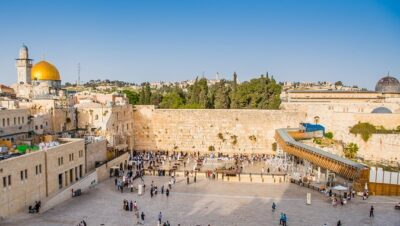
The Western Wall is one of the day’s central stops. It is a sacred place of prayer, and you should approach it with respect rather than treating it like an ordinary sightseeing stop. The tour information requires modest clothing at holy sites, so plan ahead with covered shoulders and legs.
Shorts, short skirts, and sleeveless shirts are not allowed. A light layer or longer trousers can save you from an awkward clothing problem during the day. The same standard applies to other religious sites on the route.
The wall itself is only one part of the experience. Pay attention to the activity around it, the separation of prayer areas, and the way the site functions as a living place of worship. Your guide can explain what you are seeing, but you should also allow room for silence.
Because the visit is part of a larger route, you should not expect unlimited time here. If the Western Wall is your main priority, ask the guide about the schedule early in the day.
Following the Via Dolorosa
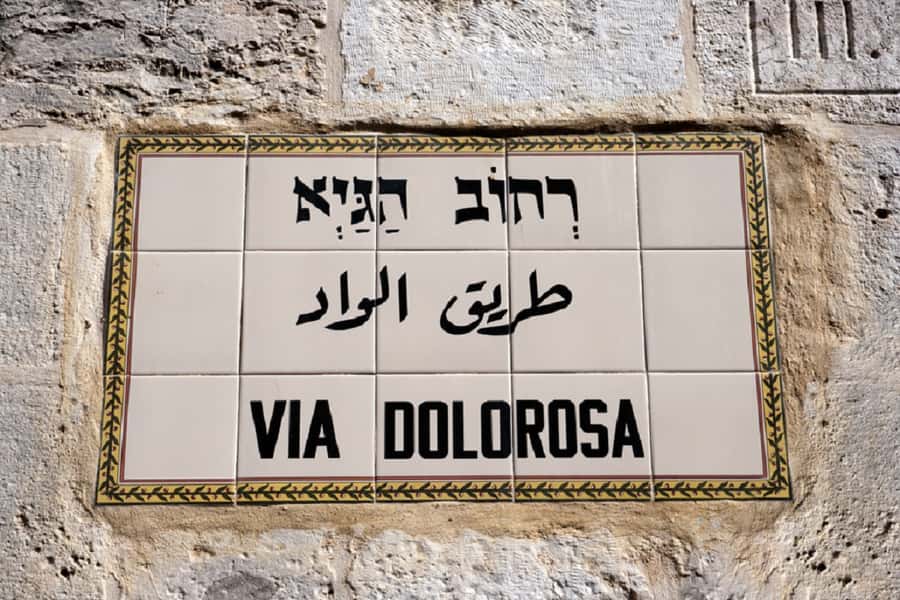
From the Jewish Quarter, the tour follows the Via Dolorosa, the traditional path associated with Jesus. This walk leads through the Old City toward the Church of the Holy Sepulchre.
The Via Dolorosa is not a broad ceremonial avenue. It passes through tight streets and market areas, so the setting can feel more practical and commercial than visitors expect. That contrast is part of the experience. Religious tradition and ordinary city life share the same few feet of pavement.
The walk can be meaningful even if you are not visiting for religious reasons. It shows how stories, pilgrimage routes, and modern daily life overlap in Jerusalem. Still, this is a place where the guide’s explanation matters. The route includes traditional associations, and the physical street does not always make each connection obvious.
Stay close to the group in crowded areas. The tour moves through a busy bazaar later, and narrow lanes can make it easy to lose sight of your guide.
The Church of the Holy Sepulchre
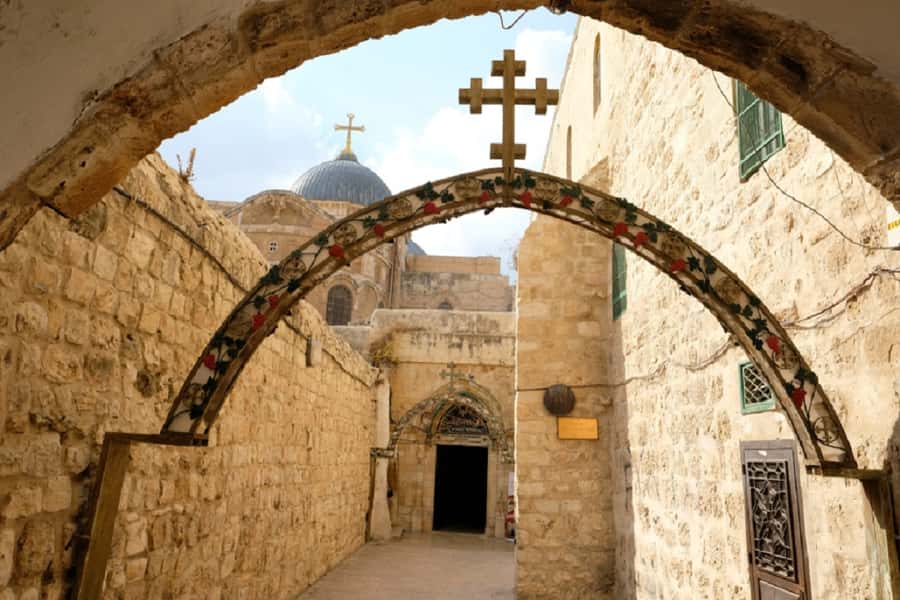
The Church of the Holy Sepulchre is the major Christian site on this route. It contains places associated with the crucifixion and Christ’s tomb, along with centuries of religious objects and traditions.
This is a complex church rather than a simple, open hall. Different sections carry different meanings, and the interior can feel intense because several Christian traditions share the same building. Give yourself time to look carefully instead of trying to understand everything at a glance.
The church may be the most emotionally charged stop for Christian visitors, but it has value for anyone interested in the history of pilgrimage and sacred architecture. The tour includes entry fees, which makes the $75 cost more useful than a bare walking tour price.
As with the Western Wall, modest clothing is required. You may also need patience. Sacred places do not always fit neatly into a sightseeing schedule, and the tour must balance your visit with the rest of the day.
The Old City bazaar adds everyday Jerusalem
After the major religious sites, the route passes through the Old City bazaar. This gives the day a welcome change of rhythm. You move from formal places of worship into stalls, displays, and the ordinary business of the city.
The bazaar is a good place to notice details: the way goods are arranged, the narrow shopfronts, and the changes in atmosphere from one lane to the next. You may find the setting lively, but remember that food and drinks are not included in the tour price.
The itinerary does not promise a dedicated meal stop, so bring water and consider planning your own snack. A ten-hour tour needs some personal preparation. You should also avoid assuming that every pause in the bazaar is free time, since the guide still needs to keep the group moving.
Gethsemane and the Church of All Nations
The tour then leaves the tight Old City streets for the Garden of Gethsemane and the Church of All Nations. This section shifts attention from Jerusalem’s dense historic center to a more peaceful setting connected with Christian tradition.
The Church of All Nations is associated with the final period of Jesus’ life. It gives the itinerary another kind of religious site, with a quieter mood than the Western Wall or the Church of the Holy Sepulchre.
The tour also includes a view of the Kidron Valley and its ancient Jewish tombs. This is an especially useful connection because it brings geography into the story. The valley is not just a scenic gap. It helps explain the position of Jerusalem’s hills, walls, and historic burial places.
On Mondays and Thursdays, except during Jewish holidays, this section changes. The tour visits the Holocaust Museum instead of the Church of All Nations, King David’s Tomb, and the Hall of the Last Supper on Mount Zion. Check the day before booking if one set of sites matters more to you than the other.
Mount Zion and three important sites
On Mount Zion, the itinerary includes the Dormition Church, King David’s Tomb, and the Room of the Last Supper. These sites are close enough in theme to work well together, but each offers a different angle on Jerusalem’s religious past.
The Dormition Church is connected with Christian tradition and gives you another church setting after the Church of the Holy Sepulchre. King David’s Tomb brings Jewish tradition into the same part of the city. The Room of the Last Supper is associated with one of Christianity’s best-known events.
This cluster makes the tour useful for understanding how different traditions attach meaning to the same city. It also gives you a final group of major sites after the Old City walk.
Remember that these Mount Zion stops are not included on the Monday and Thursday version of the route. They are replaced by the Holocaust Museum. Yad Vashem deals with sensitive material, and children under 10 are not permitted to visit. Families with young children should consider this before choosing a weekday.
Language, transport, and the day’s practical rhythm
A live guide is available in English, French, or Spanish. That choice matters on a tour with religious and historical details, since a good explanation can make the difference between simply seeing a site and understanding why it matters.
Transport is provided by air-conditioned coach, with pickup and drop-off included. That is valuable because the tour covers more than the Old City itself. You begin at Mount Scopus, continue through the Old City, then reach Gethsemane, the Kidron Valley, and Mount Zion.
The group size is not provided, so you should not assume a small-group format. The guide will need to manage timing across a long route. The strongest praise attached to the experience centers on the staff and the sense of enjoying the full day, which fits the tour’s main strength: it puts a lot of Jerusalem into one organized outing.
Wear practical shoes and modest clothing from the start. Since shorts, short skirts, and sleeveless shirts are not allowed, dressing properly before pickup is easier than trying to adjust later.
Who should book this Jerusalem experience?
I would recommend this tour to a first-time visitor who wants the main sights in one day. It suits you if you value an organized route, included transport, and historical explanation more than free time at each individual site.
It also works for people staying outside Jerusalem who want a wide introduction without arranging several separate visits. The air-conditioned coach and pickup service reduce the planning burden, while the guide gives the day a clear order.
I would be more cautious if you want a slow religious visit, extended shopping time, or a flexible photography day. Ten hours is long, and the route covers many places. The tour is also not suitable for children under 4 or wheelchair users.
The weekday variation deserves special attention. Choose a day other than Monday or Thursday if the Church of All Nations, King David’s Tomb, and the Room of the Last Supper are essential to your plans. Choose the Monday or Thursday version only if the Holocaust Museum is a priority and your children are old enough to enter.
Should you book the Old City Highlights Tour?
Book it if you want a strong first orientation to Jerusalem, especially at a reasonable $75 for a ten-hour guided day with entry fees, coach transport, pickup, and drop-off included. I like the balance of major holy sites, neighborhood walking, city views, and historical remains.
Before paying, check the operating day and dress accordingly. If you can manage a long walking day and accept a set schedule, this is a practical way to see Jerusalem’s essential sights without handling every connection yourself. If you prefer a slower pace or need wheelchair access, choose another plan.
FAQ
How long is the Jerusalem Old City Highlights Tour?
The tour lasts 10 hours. Starting times vary, so you need to check availability when selecting your date.
What languages are available?
A live guide is available in English, French, or Spanish.
What does the $75 price include?
The price includes entry fees, a guide, transport by air-conditioned coach, pickup, and drop-off. Food and drinks are not included.
Which holy sites are visited?
The route includes the Western Wall, the Church of the Holy Sepulchre, the Via Dolorosa, the Garden of Gethsemane, the Church of All Nations, the Dormition Church, King David’s Tomb, and the Room of the Last Supper. The exact list changes on Mondays and Thursdays.
Does the tour visit the Holocaust Museum?
On Mondays and Thursdays, except during Jewish holidays, the tour visits the Holocaust Museum instead of the Church of All Nations, King David’s Tomb, and the Room of the Last Supper on Mount Zion.
What should I wear?
Modest clothing is required at the holy sites. Shorts, short skirts, and sleeveless shirts are not allowed.
Is the tour suitable for young children or wheelchair users?
The tour is not suitable for children under 4 or wheelchair users. Children under 10 are not permitted to visit Yad Vashem when the Monday or Thursday itinerary includes the Holocaust Museum.
Recently listed in Jerusalem
- West Bank Tour from Jerusalem and Tel-Aviv – Bethlehem & Jericho★ 5.0 · 6 reviews
- Tour of Jerusalem & Dead sea private tour★ 5.0 · 4 reviews
- One-Day Tour to Bethlehem and Jericho★ 5.0 · 2 reviews
- jerusalem classic tour★ 5.0 · 3 reviews
- full day tour Jerusalem price per van up to 6 people★ 5.0 · 8 reviews
- kosher Israel wine tour★ 5.0 · 4 reviews
- Private Silk Painting Workshop in Jerusalem – Create a scarf –★ 5.0 · 4 reviews
- Experience Shabbat With Dinner In Jerusalem★ 5.0 · 5 reviews
Jerusalem Old City Tours, compared.
Best seller! Jerusalem old city four quarters tour
Read our review →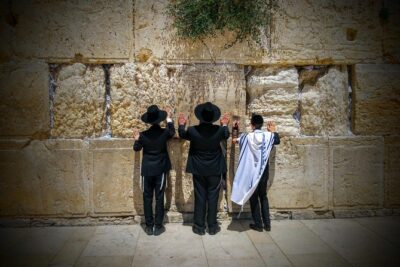
Jerusalem Half Day Tour: Holy Sepulchre and Western Wall
Read our review →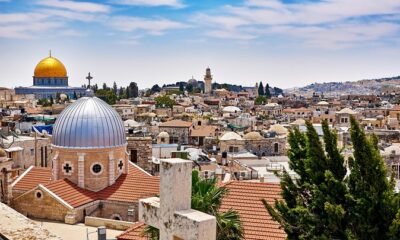
Jerusalem Half-Day Tour from Tel Aviv: Holy Sepulchre and Western Wall
Read our review →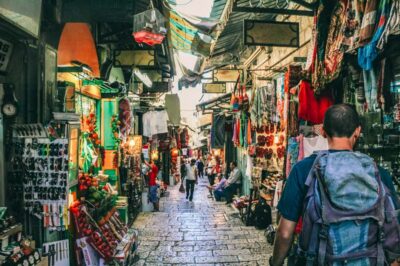
Browse the lists this tour appears in