
Reviewed · JERUSALEM OLD CITY TOURS
From Tel Aviv: Highlights of Jerusalem’s Old City
Jerusalem rewards a long day. This 10-hour trip from Tel Aviv brings you from Mount Scopus into the Old City, where the Western Wall, Via Dolorosa, Church of the Holy Sepulchre, and Mount Zion fit into one tightly planned visit. I like the clear focus: you see major landmarks rather than spending the day on minor stops. I also like that entry fees, a guide, an air-conditioned coach, and hotel pickup and drop-off are included.
The main drawback is the pace. Jerusalem’s Old City is best enjoyed slowly, but this tour covers several quarters, holy sites, a bazaar, Gethsemane, the Kidron Valley, and Mount Zion in one day. You should also note that Monday and Thursday departures follow a different plan, replacing several Mount Zion and Gethsemane stops with the Holocaust Museum.
- Mount Scopus begins the day with a broad view of Jerusalem, helping you understand the city before entering its narrow lanes.
- The route crosses several Old City quarters, including Armenian and Jewish areas, with the Byzantine Cardo and Western Wall along the way.
- The Via Dolorosa leads to the Church of the Holy Sepulchre, one of Christianity’s most important pilgrimage sites.
- Mount Zion adds three notable stops, the Dormition Church, Room of the Last Supper, and King David’s Tomb.
- Monday and Thursday itineraries change, with Yad Vashem replacing the Church of All Nations, King David’s Tomb, and the Room of the Last Supper.
- The $94 price covers transport, guide services, entry fees, and hotel transfers, but you pay separately for food and drinks.
In This Review
- Why This Jerusalem Day Trip Works
- Mount Scopus: Your First View of the Holy City
- Zion Gate and the Armenian Quarter
- The Jewish Quarter and the Byzantine Cardo
- The Western Wall: A Place to Pause
- Via Dolorosa and the Church of the Holy Sepulchre
- The Old City Bazaar: A Short Taste of Daily Life
- Gethsemane, the Church of All Nations, and the Kidron Valley
- Mount Zion: Three Important Stops
- The Monday and Thursday Change
- What the $94 Price Includes
- Who Should Book This Tour?
- Final Verdict: A Strong First Look at Jerusalem
- FAQ
- How long is the Jerusalem tour from Tel Aviv?
- What sites are included on the standard itinerary?
- What can I see on Mount Zion?
- Does the itinerary change on Mondays and Thursdays?
- What languages are available?
- Is food included in the tour price?
- What should I wear in Jerusalem?
Why This Jerusalem Day Trip Works
Jerusalem is not an easy city to cover on your own in a single day from Tel Aviv. The journey between the two cities takes time, and once you reach Jerusalem, the Old City can feel like a maze of gates, alleys, quarters, churches, synagogues, and archaeological remains.
This tour solves the basic problem: it gives you a planned route and a guide who can connect the sites. You do not need to work out which gate leads to which quarter or how to fit the Western Wall, Holy Sepulchre, and Mount Zion into one visit.
The route also gives you more than one religious tradition. The Jewish Quarter and Western Wall are central to Judaism. The Via Dolorosa and Church of the Holy Sepulchre are central to Christianity. The Kidron Valley, Mount of Olives area, and Jerusalem’s older burial sites add another layer of context.
You should not expect a slow, private walking tour. This is a highlights day, designed for first-time visitors who want to see the main places efficiently. If you already know Jerusalem well, or if you prefer spending an hour at one site, the schedule may feel too full.
Mount Scopus: Your First View of the Holy City
The day begins with a panoramic view from Mount Scopus. This is a smart first stop because Jerusalem makes more sense when you can see it from above.
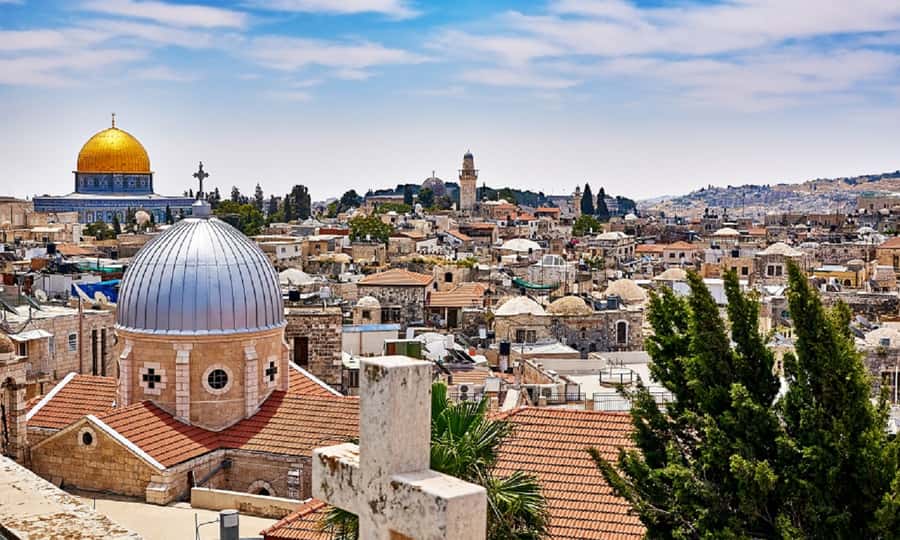
From the viewpoint, you get a broad introduction to the city before walking through the Old City. The contrast matters. Outside the walls, Jerusalem spreads across hills and valleys. Inside, the streets tighten into stone passages, stairways, courtyards, and market lanes.
I like this opening because it helps you build a mental map. Later, when you look toward the Kidron Valley or move toward Mount Zion, the city’s shape will feel less confusing.
The stop is mainly about orientation and scenery, not a long visit at a single monument. Bring your camera, but also listen to the guide’s introduction. The basic geography will help you understand why Jerusalem’s hills and valleys matter so much to its history.
More City Tours in Tel Aviv
- From Tel Aviv: Jerusalem Old & New City Bus Tour
★ 4.2 · 824 reviews - From Tel Aviv: Jerusalem Old City & Dead Sea Guided Day Tour
★ 4.4 · 389 reviews - From Tel Aviv: Jerusalem Old City Guided Tour
★ 4.6 · 59 reviews
Zion Gate and the Armenian Quarter
The group enters the Old City through historic Zion Gate. This gives the tour a strong beginning. You are not simply dropped into a market street with no idea where you are. You enter through one of the city’s historic gateways and move into the Armenian Quarter.
The Armenian Quarter is quieter than some of the Old City’s main shopping lanes. That makes it a useful first taste of Jerusalem’s different areas. The tour does not treat the Old City as one single place. Instead, it moves through distinct quarters, each with its own religious and cultural character.
You should pay attention to the shift in atmosphere as the route continues. The streets may feel calm in one section and more crowded near major pilgrimage sites or market lanes. Comfortable walking shoes are important. The day includes extensive walking on old stone surfaces, though the tour is not suitable for wheelchair users.
The Jewish Quarter and the Byzantine Cardo
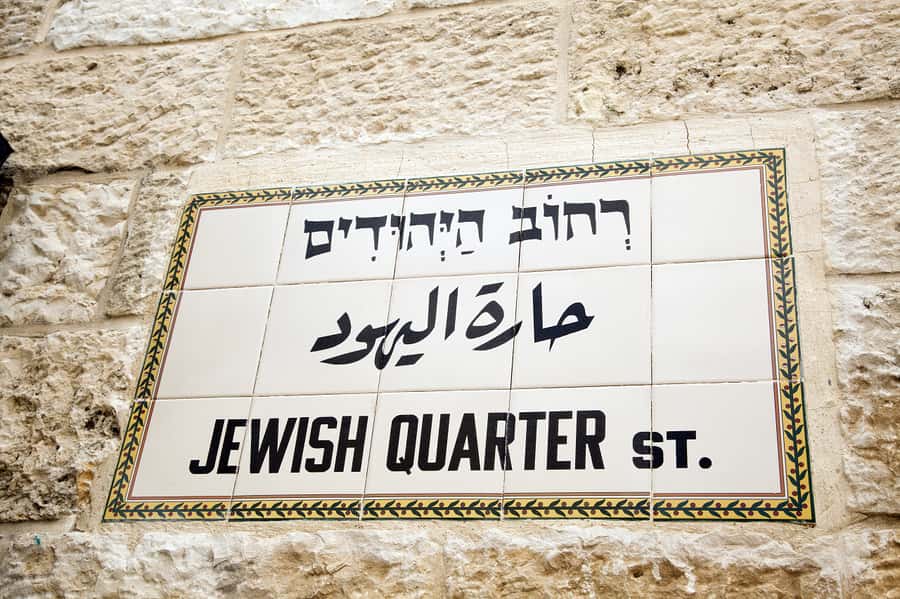
The route continues into the Jewish Quarter, where you see the remains of the Byzantine Cardo. The word refers to a major north-south street from the Roman and Byzantine periods. Its remains offer a useful reminder that Jerusalem’s current lanes sit on top of much older city plans.
The Cardo is valuable because it gives you something physical to read. Instead of hearing only dates and names, you can see traces of the street system that once shaped this part of Jerusalem.
This part of the tour also shows how Jerusalem layers one period over another. Ancient, Byzantine, medieval, and modern elements sit close together. The guide’s explanation matters here, since the ruins can be easy to overlook if you walk past them without context.
The Jewish Quarter leads naturally toward the Western Wall, one of the emotional centers of the day.
The Western Wall: A Place to Pause
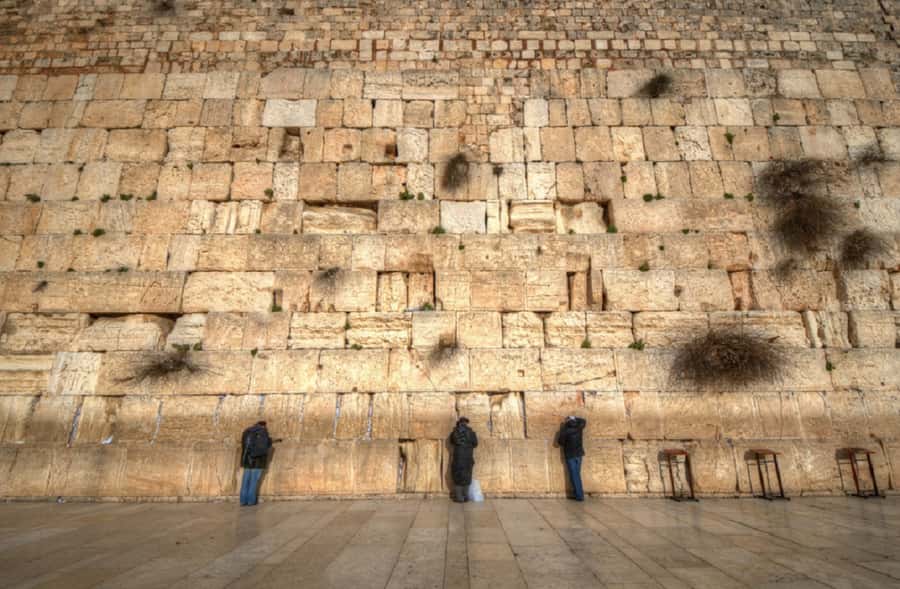
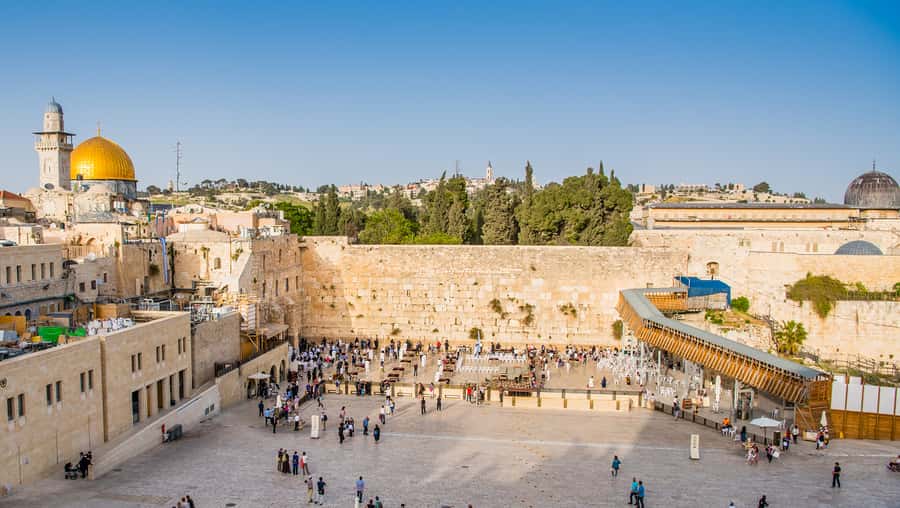
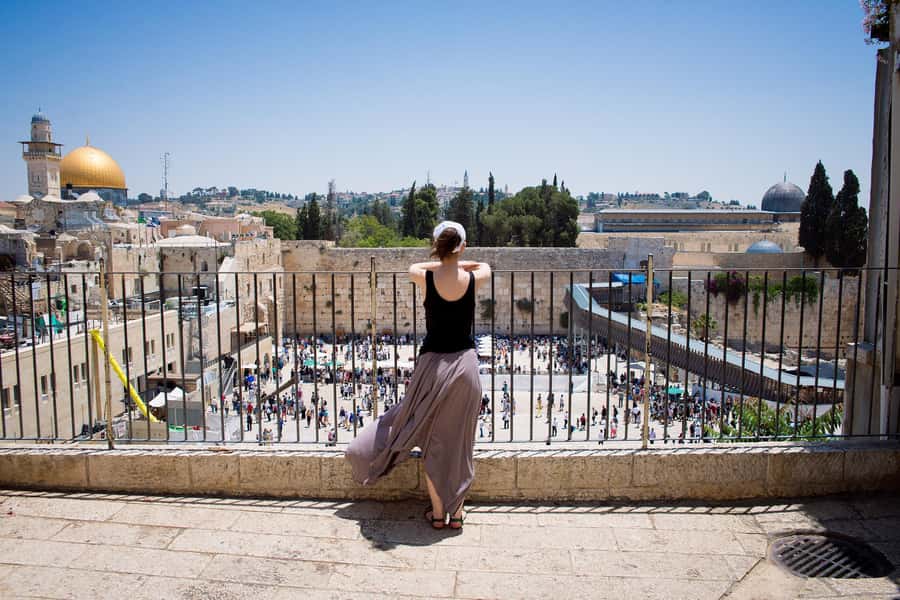
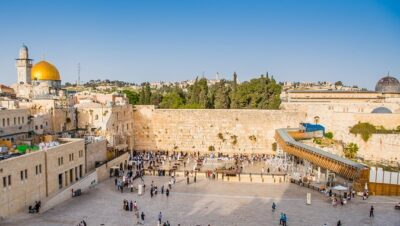
The Western Wall is not just another photo stop. It is a major Jewish place of prayer and one of Jerusalem’s most recognized landmarks. You will have time to see the wall, observe the prayer area, and take in the setting below the Temple Mount.
I like that the tour places the Western Wall after the Cardo. You first see a piece of the older city, then reach a living religious site that remains part of daily worship.
Your guide can provide historical context, but your own conduct matters too. Dress modestly, keep your voice low, and follow any instructions at the site. The clothing rules for this tour are strict at holy places: shorts, short skirts, and sleeveless shirts are not allowed. Pack clothing that covers your shoulders and knees.
You may find this stop more meaningful if you resist the urge to rush. Even a few quiet minutes can make the visit feel less like a checklist.
More walks through the Old City:
- Jerusalem Half-Day Tour from Tel Aviv: Holy Sepulchre and Western Wall
★ 4.0 · 61 reviews - Jerusalem Old City from Tel Aviv
★ 5.0 · 39 reviews - Jaffa: Old City, Port & Shuk Hapishpishim Walking Tour
★ 4.8 · 33 reviews - City of David and Underground Jerusalem Day Trip from Tel Aviv
★ 4.0 · 32 reviews
Via Dolorosa and the Church of the Holy Sepulchre
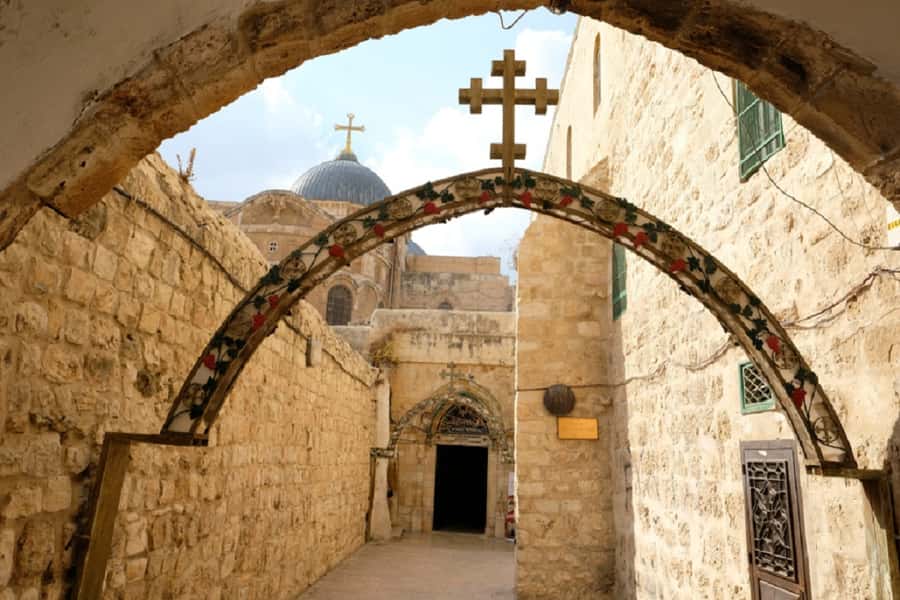
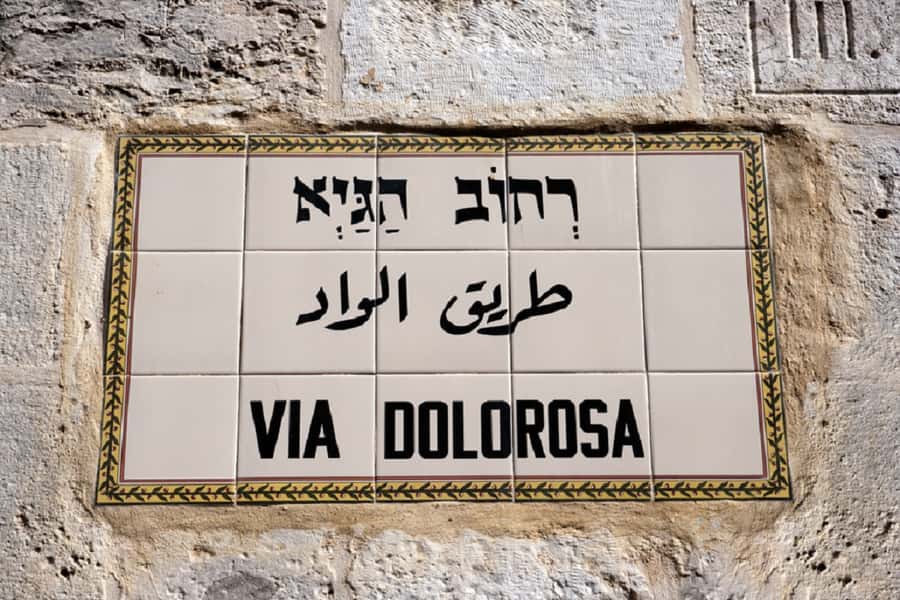
From the Jewish Quarter, the route follows the Via Dolorosa, the traditional path associated with the final journey of Jesus. This is one of the most atmospheric walks in the Old City, but it is also one of the busiest and most confusing sections.
The path passes through narrow streets lined with shops and religious sites. It does not look like a modern ceremonial avenue. That is part of its character. You are following a route through an active city, with daily commerce happening around a major Christian pilgrimage path.
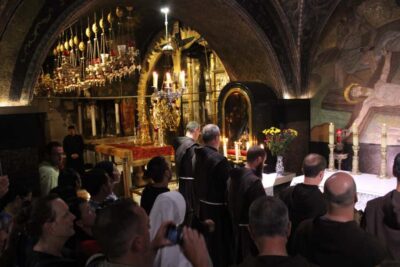
The destination is the Church of the Holy Sepulchre. The church contains sites associated with the crucifixion and tomb of Christ, along with centuries of religious objects and traditions.
This is an important place, but it can also be hard to absorb in a short visit. The building contains several chapels and sacred areas, and the setting can feel crowded or intense. Listen carefully to the guide and stay aware of the group. If you want a long period for private prayer or detailed study, a separate return visit would be worthwhile.
For a first introduction, though, the stop gives you access to one of Jerusalem’s central Christian sites without requiring you to navigate the Old City alone.
The Old City Bazaar: A Short Taste of Daily Life
The tour includes time in the colorful bazaar. This is where the day shifts from formal monuments to ordinary commerce.
The market offers a look at how the Old City functions beyond its famous religious sites. Stalls sell food, souvenirs, and local goods, while narrow lanes connect the main quarters. You may find the market lively and crowded, especially around the busiest routes.
Do not expect a long shopping session. The itinerary has many stops, so your time here is limited. I would use it to notice the smells, colors, shop displays, and changing street scenes rather than planning a major purchase.
Food and drinks are not included, so the bazaar may also be a practical chance to buy something, depending on the guide’s schedule. Bring water and consider carrying a small snack, since this is a full 10-hour day.
Gethsemane, the Church of All Nations, and the Kidron Valley
The itinerary then moves toward the Garden of Gethsemane and the Church of All Nations. These sites offer a calmer contrast to the Old City’s tight lanes and busy market.
The Church of All Nations is associated with the final hours of Jesus before his arrest. The Garden of Gethsemane is also connected to that account. Together, the church and garden create a more reflective part of the day.
The route includes a view of the Kidron Valley and its ancient Jewish tombs. This is another place where Jerusalem’s setting matters. The valley separates major areas of the city and gives you a different view of the old walls, hills, and burial places.
The stop is not simply about looking at a church. It helps connect the Old City to the surrounding hills. After spending hours inside the walls, you get a clearer sense of the city beyond them.
Keep in mind that this section is not included on Monday and Thursday departures, except during Jewish holidays. Those departures visit the Holocaust Museum instead.
Mount Zion: Three Important Stops
The standard itinerary continues to Mount Zion, where you visit the Dormition Church, the Room of the Last Supper, and King David’s Tomb.
The Dormition Church is known for its connection to the Christian tradition concerning Mary. The Room of the Last Supper is associated with the final meal of Jesus and the disciples. King David’s Tomb is a Jewish holy site linked by tradition to the biblical king.
These stops are close enough in theme and location to make sense as a group, but they represent different religious traditions. That mix is one of the tour’s strengths. You are not seeing Jerusalem through only one faith’s story.
The Mount Zion portion can feel compressed because it comes late in an already full day. Still, it adds sites that are easy to miss if you focus only on the Western Wall and Church of the Holy Sepulchre.
The Monday and Thursday Change
The day is different on Mondays and Thursdays, except during Jewish holidays. Instead of the Church of All Nations, King David’s Tomb, and the Room of the Last Supper, the tour visits the Holocaust Museum, Yad Vashem.
That is not a minor substitution. Yad Vashem presents difficult material, and the emotional tone is very different from a church, garden, or historic tomb. Children under 10 are not permitted to visit because of the sensitive content.
Check the departure day before booking if a particular site matters to you. If you specifically want Mount Zion and the Church of All Nations, choose a day other than Monday or Thursday when possible. If Yad Vashem is a priority, those days may suit you better.
What the $94 Price Includes
At $94 per person, the tour offers solid value if you want a structured Jerusalem introduction from Tel Aviv.
The price includes:
- Hotel pickup and drop-off
- Transport by air-conditioned coach
- A live guide
- Entry fees
You pay separately for food and drinks. That is reasonable for a day of this length, but it means you should budget for lunch and refreshments.
The biggest value is not just the bus ride. It is the coordination. A 10-hour day with multiple quarters, churches, archaeological remains, and viewpoints would take planning if you arranged it alone. The guide also helps explain why each site matters, especially in places where the meaning is not obvious from the architecture.
The tradeoff is group-tour efficiency. Pickup times may vary by hotel, and the day is built around a shared route rather than your personal interests. Your final pickup time and hotel are sent by Bein Harim in a confirmation email. Read it closely, and contact [email protected] if the message does not arrive.
Who Should Book This Tour?
I would recommend this tour to a first-time visitor staying in Tel Aviv who wants a strong introduction to Jerusalem in one day.
It suits you if you want:
- Major Jewish and Christian sites in one itinerary
- Guided access to the Old City
- Transport from your Tel Aviv hotel
- A planned schedule instead of independent navigation
- A broad overview rather than long time at one monument
It is less suitable if you want a relaxed day, extensive shopping, or time for a long meal. It is also not suitable for children under 4 or wheelchair users. Anyone with limited walking stamina should consider the number of stops and the Old City’s stone streets before booking.
The tour operates in English, Spanish, and French. Free cancellation is available up to 24 hours before departure, and you can reserve now and pay later, which helps if your plans are still changing.
Final Verdict: A Strong First Look at Jerusalem
Book this tour if your goal is to see Jerusalem’s essential sights from Tel Aviv without handling the transport and route planning yourself. The 4.8 rating from three reviews reflects a very positive response, including a February 2026 booking from Greece that described Jerusalem as a place worth visiting again.
That reaction makes sense. The tour gives you the Western Wall, Byzantine Cardo, Via Dolorosa, Church of the Holy Sepulchre, Gethsemane, Kidron Valley, and Mount Zion in one demanding but useful day.
Choose your day carefully, dress modestly, wear comfortable shoes, and bring water. If you accept the fast pace, this is a practical way to meet Jerusalem for the first time. If you want quiet, depth, or freedom to linger, use this tour as an introduction and return to the Old City on your own.
FAQ
How long is the Jerusalem tour from Tel Aviv?
The tour lasts 10 hours, including transportation from Tel Aviv and the guided sightseeing program in Jerusalem.
What sites are included on the standard itinerary?
The standard route includes a panoramic view from Mount Scopus, the Armenian Quarter, the Jewish Quarter, the Byzantine Cardo, the Western Wall, Via Dolorosa, the Church of the Holy Sepulchre, the Old City bazaar, the Garden of Gethsemane, the Church of All Nations, the Kidron Valley, and Mount Zion sites.
What can I see on Mount Zion?
The Mount Zion portion includes the Dormition Church, the Room of the Last Supper, and King David’s Tomb.
Does the itinerary change on Mondays and Thursdays?
Yes. On Mondays and Thursdays, except during Jewish holidays, the tour visits the Holocaust Museum instead of the Church of All Nations, King David’s Tomb, and the Room of the Last Supper.
What languages are available?
The live tour guide is available in English, Spanish, and French.
Is food included in the tour price?
No. Food and drinks are not included, so you should budget separately for refreshments and any meal.
What should I wear in Jerusalem?
Modest clothing is required at holy sites. Shorts, short skirts, and sleeveless shirts are not allowed.
Recently listed in Tel Aviv
- Wine Tour North of Israel from Tel Aviv★ 5.0 · 2 reviews
- private Full-Day Tour to Bethlehem and Jerusalem★ 5.0 · 2 reviews
- Private wine tour of Northern Israel★ 5.0 · 4 reviews
- private Full-day Tour to Jericho + the Dead Sea★ 5.0 · 3 reviews
- Package VIP Skip Line Services in BGN Airport with Transfer to Tel aviv Hotels★ 5.0 · 3 reviews
- Jerusalem and Dead Sea Trip from Tel Aviv★ 4.0 · 6 reviews
- Private Transfer from Ben Gurion Airport to Tel Aviv, Bat Yam, Rishon LeZion★ 5.0 · 2 reviews
- VIP Tel Aviv airport Terminal 3 Fast Track Skip Line From plane★ 4.5 · 9 reviews
Jerusalem Old City Tours, compared.
Best seller! Jerusalem old city four quarters tour
Read our review →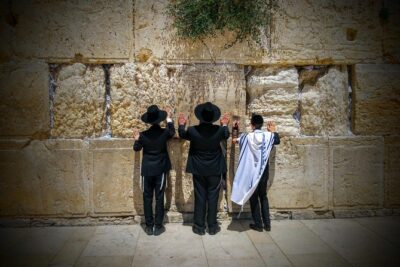
Jerusalem Half Day Tour: Holy Sepulchre and Western Wall
Read our review →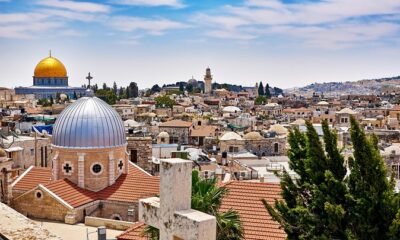
Jerusalem Half-Day Tour from Tel Aviv: Holy Sepulchre and Western Wall
Read our review →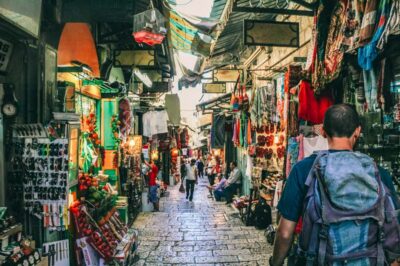
Browse the lists this tour appears in