
Reviewed · DEAD SEA AND MASADA TOURS
From Jerusalem: Old City & Dead Sea Full-Day Tour
Jerusalem and the Dead Sea make an excellent pairing. This 10-hour outing gives you Mount of Olives views and a guided walk through the Old City, then time to float in the mineral-rich Dead Sea. I like that it covers major Holy Land sites in one day, and I like the simple hotel pickup and air-conditioned coach. The tradeoff is a hurried schedule, especially if delays cut into your Dead Sea time.
You’ll see the Western Wall, Via Dolorosa, Church of the Holy Sepulcher, Cardo, and Jewish Quarter, then descend through the Judean Hills toward the lowest place on earth. Good shoes, modest clothing, and a little patience matter here. This is an efficient introduction, not a slow, deeply detailed exploration of Jerusalem.
In This Review
- Key points to know before booking
- Why this Jerusalem and Dead Sea pairing works
- Morning pickup and the ride toward Mount Scopus
- Mount Scopus gives you the big picture
- Entering the Old City through Jerusalem’s quarters
- The Western Wall and the Via Dolorosa
- The Church of the Holy Sepulcher
- Cardo and the restored Jewish Quarter
- The Judean Hills and the view toward Qumran
- Floating in the Dead Sea for about 90 minutes
- What the guides add, and where the day can falter
- What $106 includes, and what it does not
- Who should book this day trip?
- Final verdict: a useful first look, with a tight clock
- FAQ
- How long does the tour last?
- What sites will I see in Jerusalem?
- How much time is available at the Dead Sea?
- Is food included in the price?
- What should I bring?
- Is the drive to the Dead Sea guided?
- Is the tour suitable for children and wheelchair users?
Key points to know before booking
- Two major sights in one long day: You combine Jerusalem’s Old City with a Dead Sea stop without arranging separate transport.
- The Mount of Olives opens the day: The first major stop gives you a broad view of Jerusalem’s old and new sections.
- The Old City visit lasts about three hours: Expect a guided route through several quarters and major religious sites, with some shopping and lunch time included.
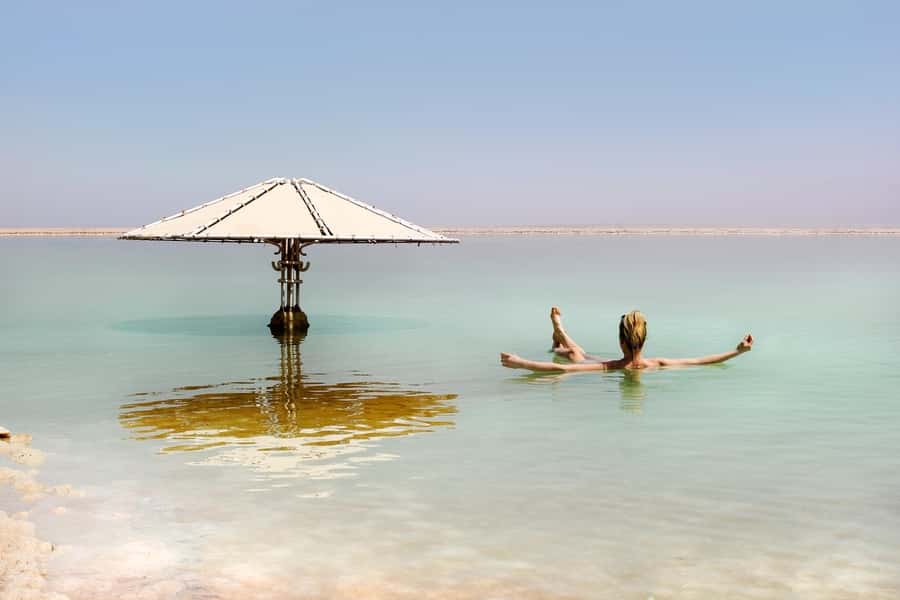
- Dead Sea time is scheduled for about 90 minutes: That sounds generous until you change, use a locker, reach the water, bathe, and get ready to leave.
- The road to the Dead Sea is unguided: Your guide leads the Jerusalem portion, but the drive south is mainly transport time.
- The tour requires walking and modest dress: It is not suitable for wheelchair users or children under four.
Why this Jerusalem and Dead Sea pairing works
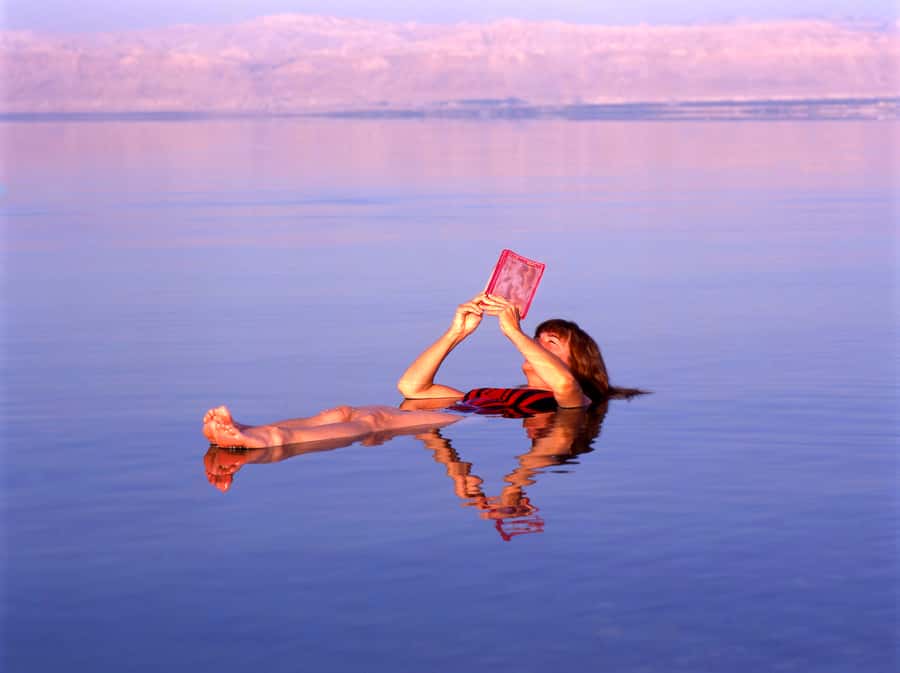
Jerusalem and the Dead Sea offer sharply different experiences. Jerusalem is crowded with sacred buildings, narrow lanes, and layered stories. The Dead Sea is open, quiet by comparison, and wonderfully strange. The water pushes you upward, and the mineral mud gives the stop a playful spa-like feel.
Doing both in one day is useful if your time in Israel is limited. You get an overview of Jerusalem’s key sites, then a chance to slow down at the shore. The price is $106 per person, which I consider fair if you value door-to-door transport, a guide, and entrance fees. You are paying for convenience as much as sightseeing.
The day is long, though. Ten hours on a coach, with an early pickup and several fixed meeting points, can feel tiring. If Jerusalem is your main reason for visiting Israel, you may prefer a dedicated Old City tour with more time in each quarter. If you want a broad first look at two famous places, this route makes practical sense.
More City Tours in Jerusalem
- Jerusalem: Guided Walking Tour of the Old City
★ 4.7 · 386 reviews - Full Day City Tour of Jerusalem
★ 4.1 · 367 reviews - From Jerusalem Small group tour Old&New City ENTRY FEES INCL
★ 4.0 · 135 reviews
Morning pickup and the ride toward Mount Scopus
Pickup is available from selected Jerusalem hotels, including the David Citadel, Ramada by Wyndham Jerusalem, Grand Court Hotel, Dan Boutique, Agripas Boutique, Leonardo Plaza, and Dan Panorama. The final pickup time and hotel are confirmed by the supplier, so you should read that message carefully. If it does not arrive, contact the supplier before the morning of the tour.
The coach ride to the first viewpoint takes about 30 minutes. An air-conditioned coach is welcome in Jerusalem’s warm weather, although the exact comfort of the ride depends on the group and traffic. This is a shared excursion, so you should expect some waiting if people are late or get separated from the group.
The organization can be the weak point. At times, buses have not been clearly labeled, and groups have been mixed together. People have also needed help finding the right coach. I recommend arriving early at the pickup point and keeping the tour company’s contact details handy.
Mount Scopus gives you the big picture
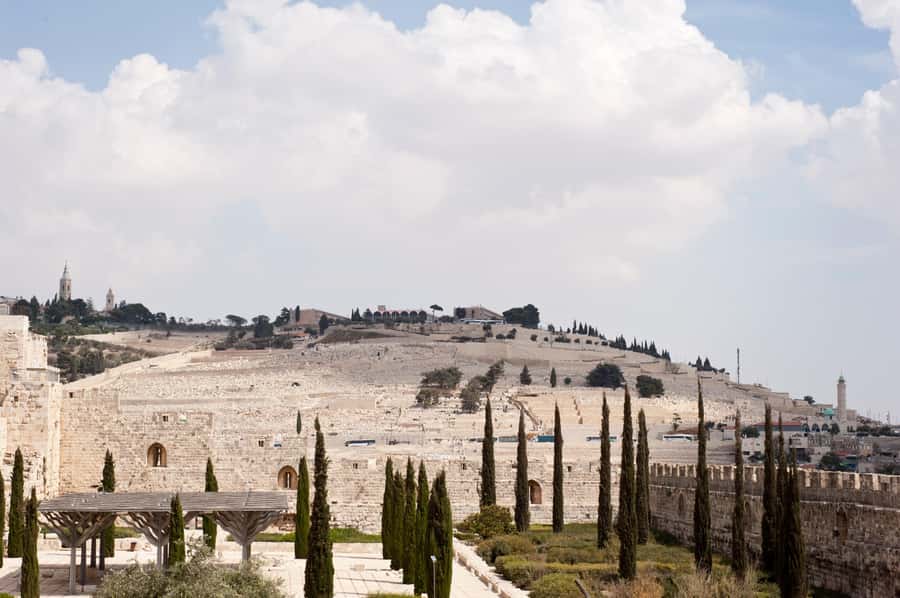
Mount Scopus is one of Jerusalem’s highest points. The stop lasts about 30 minutes and works mainly as a photo stop and orientation point. From here, you can look across the old and new parts of the city before heading down toward the Old City.
This viewpoint is valuable because Jerusalem’s compact center can be confusing once you are among its walls and lanes. From above, you get a sense of the city’s position and shape before the walking begins. You also see why the Old City has drawn people for thousands of years.
The stop is not a full visit to Mount Scopus. You will have time for photographs and an explanation, but not a long independent walk. Bring a hat, especially during warmer months, since much of this kind of stop is outdoors.
Entering the Old City through Jerusalem’s quarters
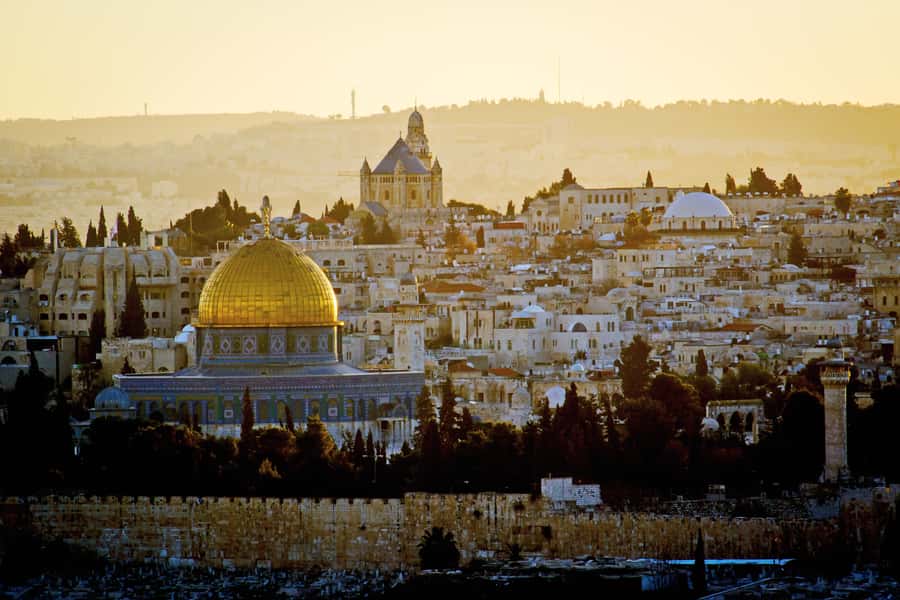
The Jerusalem portion lasts about three hours. You travel through the Kidron Valley, pass the Garden of Gethsemane, and approach the city walls. The route enters the Western Wall Square through the Armenian Quarter, then continues through the bazaar toward the Christian Quarter.
This sequence gives you a useful introduction to the Old City’s layout. Jerusalem is divided into Armenian, Christian, Jewish, and Muslim quarters, though the tour does not treat each area as a separate museum visit. Instead, you move through them as part of a connected walking route.
The Armenian Quarter is a quieter way to approach the Western Wall area. From there, the bazaar brings you into the everyday life of the Old City, with shops, narrow passages, and plenty of activity. Shopping is part of the schedule, so you may have a chance to browse. Do not expect a long, relaxed buying session if the group is running behind.
The lanes can be uneven and crowded. Wear comfortable shoes with good grip, and keep your belongings close. The tour is not suitable for wheelchair users, and anyone with limited mobility should think carefully about the walking route before booking.
More walks through the Old City:
- Best seller! Jerusalem old city four quarters tour
★ 5.0 · 123 reviews - Private Tour Jerusalem Old City
★ 5.0 · 118 reviews - All Inclusive Walking Tour Old City Jerusalem
★ 5.0 · 83 reviews - Jerusalem Half Day Tour: Holy Sepulchre and Western Wall
★ 4.5 · 80 reviews
The Western Wall and the Via Dolorosa
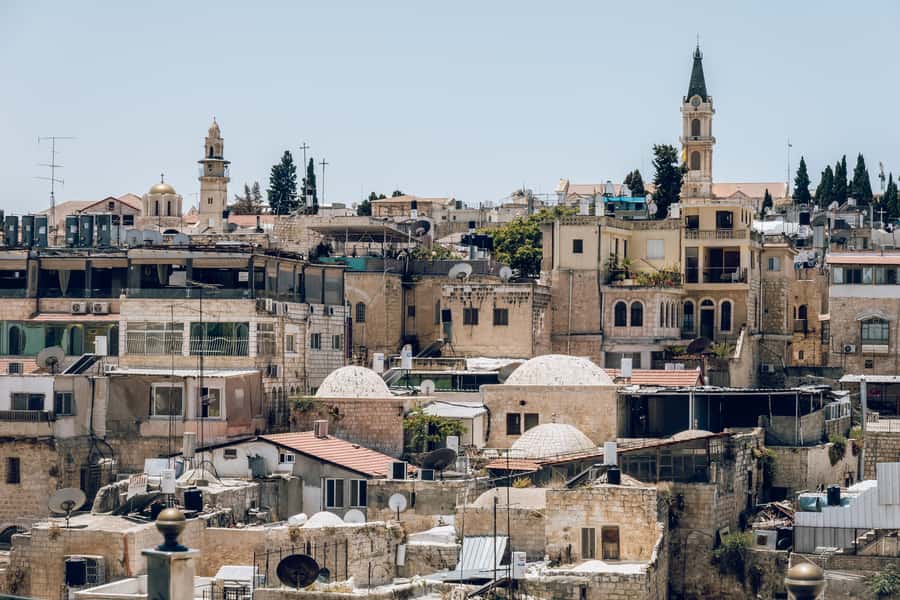
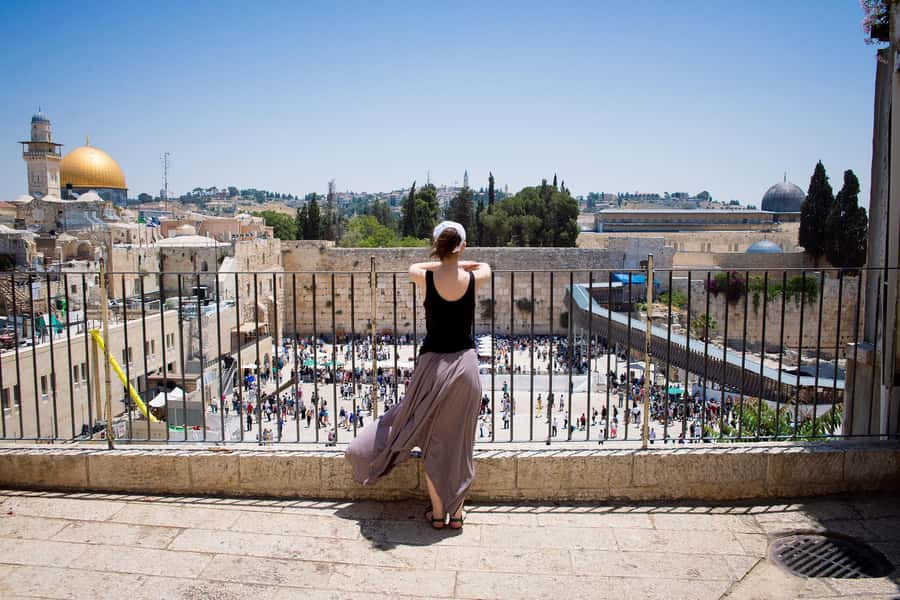
The Western Wall is one of the most important Jewish holy sites. The tour brings you to the square and provides time to see the wall within its larger setting. Modest clothing is required at holy sites, so shoulders and knees should be covered. A scarf or light layer is useful if your clothing is borderline.
From the Jewish Quarter, the route continues toward the Christian Quarter and the Via Dolorosa. You will see the Stations of the Cross along the traditional route associated with Jesus’ final journey. The streets are narrow, and the meaning of the route is tied closely to the buildings, chapels, and religious practice around it.
This part of the day can feel rushed. The Old City contains enough material for several days, but the tour has only a few hours and must keep the Dead Sea departure on schedule. You should think of the Jerusalem walk as a well-chosen overview. It touches the essential sites, but it does not leave much room for wandering down side streets or waiting quietly inside every chapel.
The Church of the Holy Sepulcher

The Church of the Holy Sepulcher is the major Christian site on the route. It is associated with the crucifixion and burial of Jesus, and it holds great importance for several Christian traditions. The building contains multiple chapels and sacred points, often within a busy and visually complex setting.
Your guide explains the site while leading the group through the church. The exact amount of time inside depends on the day’s pace, crowding, and any earlier delays. I would not book this tour expecting a long private moment here. It is better suited to seeing the church, understanding why it matters, and marking it for a future return.
The combination of the Via Dolorosa and Church of the Holy Sepulcher is the spiritual center of the Jerusalem visit. Even if you are not religious, the age and importance of the place make it compelling. You are walking through a setting that has shaped Christian worship for centuries.
Cardo and the restored Jewish Quarter
The route also includes the Cardo, a 1,700-year-old Byzantine main street. Parts of the Roman road have been restored, giving you a clear look at how Jerusalem once functioned as an urban center under Roman and Byzantine rule.
The Cardo is a useful counterpoint to the religious sites. It reminds you that Jerusalem was not only a place of worship, but also a city of trade, government, and daily business. The restored section is relatively brief, so use the stop to look down at the paving, columns, and street plan rather than expecting a full archaeological museum.
The renovated Jewish Quarter completes the Old City circuit. Lunch and shopping are included in the general Jerusalem schedule, but food and drinks are not included in the tour price. Bring money for your own meal, and keep your watch in sight. Time spent eating can reduce the time available at the sites.
The Judean Hills and the view toward Qumran
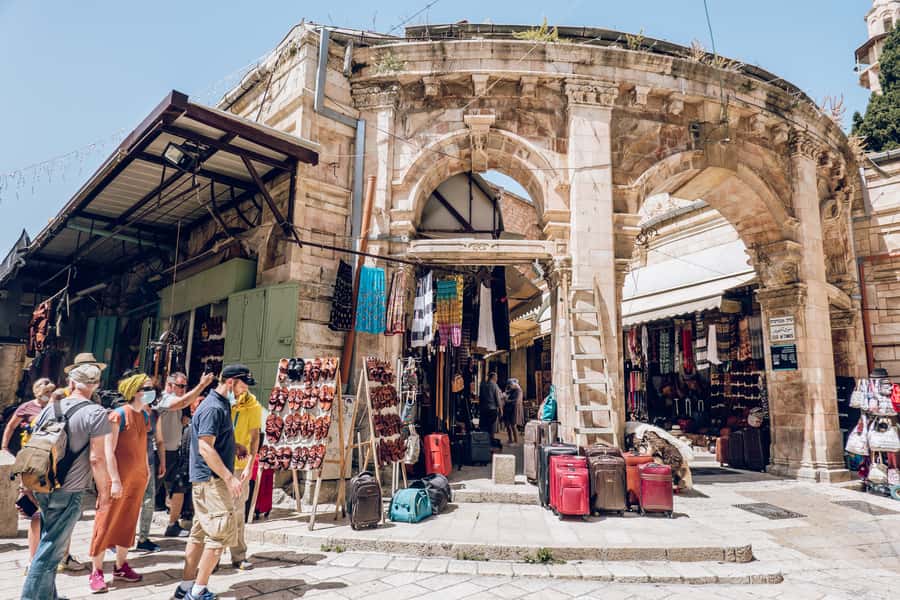
After Jerusalem, the coach descends through the Judean Hills toward the Dead Sea. The drive takes about an hour, and there is no guide commentary during this section. That is worth knowing, since you may expect a continuing explanation of the places you pass.
The route includes a roadside view of the Qumran Caves, where the Dead Sea Scrolls were found. This is a passing viewpoint, not a full archaeological visit. You will not have time to explore the caves or visit a dedicated museum as part of this tour.
Still, the sight adds context to the journey. The caves are linked to one of the most important manuscript discoveries in the region, and seeing the area helps connect the Dead Sea road with the wider story of ancient Jewish life. Treat it as a short visual reference, not a separate attraction.
Floating in the Dead Sea for about 90 minutes

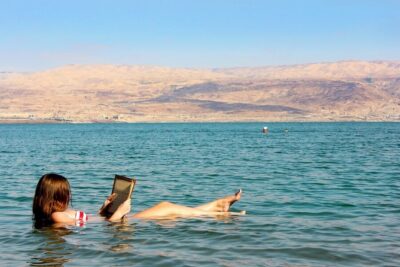
The Dead Sea stop is scheduled for roughly 1.5 hours. You can swim, float, or apply mineral mud, depending on what you prefer. The water is famous for its high mineral content and unusual buoyancy, so even a short visit gives you the experience most people come for.
The time limit requires planning. You need to change, store your belongings in a locker, reach the shore, float or bathe, rinse off, and change again. In practice, your actual time in the water may be closer to an hour, especially if the coach arrives late or the group is slow to assemble.
Bring a bathing suit, towel, hat, comfortable shoes, and beach thongs. The recommendation for beach footwear is practical because the shore can be uncomfortable on bare feet. Keep the schedule in mind and return to the meeting point early. The coach will leave at the appointed time, even if you are still enjoying the mud.
The Dead Sea stop can be crowded, but it offers a pleasant change after the tight lanes of Jerusalem. Floating is the main attraction, and the mineral mud adds a little fun. Do not shave immediately before the visit, since salt and minerals can sting small cuts, although that general practical advice is not part of the formal tour information. Most important, follow the site’s own safety instructions and avoid getting water in your eyes.
What the guides add, and where the day can falter
The guide can make or break a tightly timed tour. Past guides named Avi and Igal received very different assessments. Avi was praised for being kind, prepared, and helpful. Igal was described as good at explaining, but his handling of time and group movement caused frustration.
That contrast tells you what matters most on this outing. The historical information is important, but clear meeting times and firm group control matter just as much. Several delays have come from unclear stop lengths, personal breaks, and people getting lost. If you want a calm, carefully paced day, this format may test your patience.
The available guide languages are English, Spanish, French, and German. You should confirm your preferred language when booking. Explanations may vary with the assigned guide, so keep your expectations realistic: this is a shared sightseeing day rather than a private specialist tour.
What $106 includes, and what it does not
At $106 per person, the tour includes hotel pickup and drop-off, an air-conditioned coach, a guide, and entrance fees. That is a useful package for anyone who does not want to arrange a Dead Sea transfer, find parking near Jerusalem, or coordinate two separate day trips.
Food and drinks are not included. You should budget for lunch and carry water. The price also does not buy you extra time at any one site. Its value comes from covering a lot of ground in one day.
Free cancellation is available up to 24 hours before departure, and you can reserve now and pay later. The tour is not suitable for children under four or wheelchair users. Bring your passport, as required by the tour information.
Who should book this day trip?
I would choose this tour if you have limited time in Jerusalem and want the main sacred sites plus a Dead Sea experience without planning the transport yourself. It is also a good fit if you prefer a guide to explain the religious and historical setting as you walk.
You should be comfortable with a long day, shared transport, walking on uneven surfaces, fixed departure times, and some possible confusion at pickup. The tour works best when you treat it as a highlights tour and arrive prepared for a brisk pace.
I would look for a longer Old City visit if your main goal is prayer, photography, archaeology, or time inside the Church of the Holy Sepulcher. I would also choose a dedicated Dead Sea day if floating and mud bathing are your top priorities. The combined route gives you both, but neither receives unlimited time.
Final verdict: a useful first look, with a tight clock
I recommend this tour for first-time visitors who want two iconic Israeli experiences in one day. The Mount of Olives viewpoint, Western Wall, Via Dolorosa, Church of the Holy Sepulcher, and Dead Sea float create a memorable outline of the region.
Book it knowing the limitations. The Old City is vast, the coach may lose time, and the Dead Sea visit can shrink to about an hour. Pack modest clothing, beach gear, water, and comfortable shoes. If you can accept the brisk pace, $106 is a reasonable price for the convenience and coverage.
FAQ
How long does the tour last?
The full experience lasts about 10 hours, including pickup, transportation, the Jerusalem visit, the Dead Sea stop, and hotel drop-off.
What sites will I see in Jerusalem?
The route includes Mount Scopus, the Kidron Valley, the Garden of Gethsemane, the Western Wall, the Via Dolorosa, the Church of the Holy Sepulcher, the Cardo, and the Jewish Quarter.
How much time is available at the Dead Sea?
The scheduled Dead Sea stop lasts about 1.5 hours. This includes changing, using a locker, swimming or floating, bathing with mud, and getting ready to leave.
Is food included in the price?
No. Food and drinks are not included, so you should bring water and money for lunch.
What should I bring?
Bring your passport, a hat, bathing suit, towel, comfortable shoes, and beach thongs. Modest clothing is required at holy sites.
Is the drive to the Dead Sea guided?
No. The drive to the Dead Sea shore is without a guide.
Is the tour suitable for children and wheelchair users?
The tour is not suitable for children under four or for wheelchair users.
More Dead Sea and Masada Trips from Jerusalem
- From Jerusalem: Masada & Dead Sea Full Day Tour with Pick Up
★ 4.5 · 815 reviews - Masada and the Dead Sea Day Trip from Jerusalem
★ 4.5 · 757 reviews - From Jerusalem: Masada&Dead Sea Tour INCLUDING ENTRANCE FEES
★ 4.3 · 392 reviews - Masada, Ein Gedi and The Dead Sea from Jerusalem
★ 4.0 · 267 reviews
Recently listed in Jerusalem
- West Bank Tour from Jerusalem and Tel-Aviv – Bethlehem & Jericho★ 5.0 · 6 reviews
- Tour of Jerusalem & Dead sea private tour★ 5.0 · 4 reviews
- One-Day Tour to Bethlehem and Jericho★ 5.0 · 2 reviews
- jerusalem classic tour★ 5.0 · 3 reviews
- full day tour Jerusalem price per van up to 6 people★ 5.0 · 8 reviews
- kosher Israel wine tour★ 5.0 · 4 reviews
- Private Silk Painting Workshop in Jerusalem – Create a scarf –★ 5.0 · 4 reviews
- Experience Shabbat With Dinner In Jerusalem★ 5.0 · 5 reviews
Dead Sea and Masada Tours, compared.
Masada & Dead Sea Full Day Tour with Pick Up
Read our review →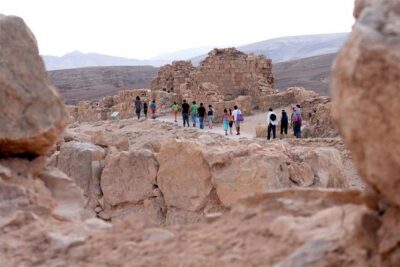
Masada and the Dead Sea Day Trip from Tel Aviv
Read our review →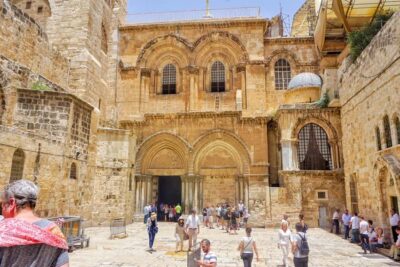
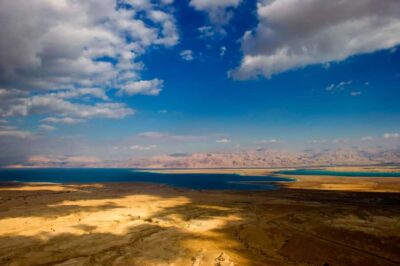
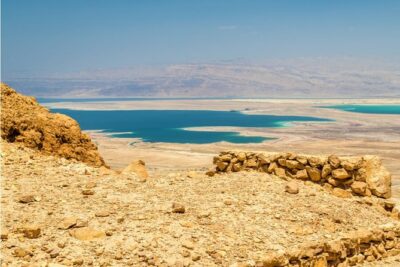
Masada and the Dead Sea Day Trip from Jerusalem
Read our review →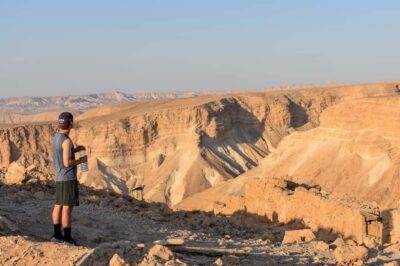
Browse the lists this tour appears in