
Reviewed · JERUSALEM OLD CITY TOURS
City of David and Underground Jerusalem Day Tour
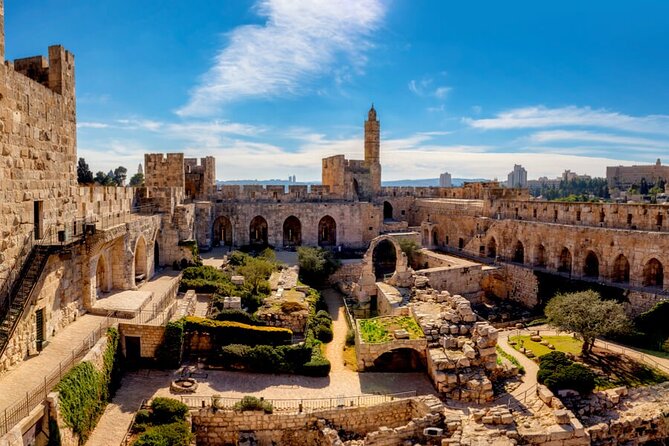
Jerusalem rewards curious walkers. This eight-hour tour links the city’s best viewpoints, sacred sites, Jewish Quarter, Western Wall, and the underground remains of the City of David. I especially like the opening view from the Mount Scopus and Mount of Olives area, followed by the chance to see ancient Jerusalem below street level. I also like that hotel pickup, a guide, and air-conditioned transport are included.
The main caution is physical effort. You may walk and stand for much of the day, climb steps, and pass through narrow or uncomfortable underground sections. The tour also moves quickly, and the City of David entrance fee, roughly $10 per person, is extra. Guides such as Ziv, Eitan, Dan, Ornit, Moshe, Gil, and Yoni have earned strong praise for clear explanations, patience, humor, and care with the group, but the quality of the day depends greatly on who leads it.
In This Review
- Key Points Before You Book
- Why the City of David Makes This Tour Different
- Mount Scopus and the First View of Jerusalem
- Kidron Valley and the Garden of Gethsemane
- Mount Zion, King David’s Tomb, and the Last Supper Room
- Entering Through Zion Gate
- The Jewish Quarter, Cardo, and Sephardic Synagogues
- The Western Wall and the Meaning of the Place
- Walking Down Into Underground Jerusalem
- The Eight-Hour Pace and Transport Setup
- Price, Extra Fees, and Overall Value
- Who Should Book This Jerusalem Tour?
- Final Verdict: A Strong Choice for Active First-Time Visitors
- FAQ
- How long does the City of David and Underground Jerusalem tour last?
- Is hotel pickup and drop-off included?
- Is the City of David entrance fee included?
- How much walking is involved?
- What should I wear?
- Can children join the tour?
Key Points Before You Book
- Ancient Jerusalem above and below ground: The day moves from panoramic city views to the excavations and tunnels of the City of David.
- A strong first look at Jerusalem: Mount Scopus offers a useful orientation before you enter the Old City.
- Sacred and historic sites together: You visit King David’s Tomb, the Last Supper Room area, the Western Wall, Zion Gate, and Sephardic synagogues.
- A serious walking day: Comfortable shoes, water, and covered shoulders and knees are essential.
- Extra cost for major sites: Entrance fees are not fully covered, with the City of David admission costing about $10.
- Best for adults who enjoy history: The pace and walking suit active visitors more than young children or anyone who tires easily.
Why the City of David Makes This Tour Different
Jerusalem’s Old City can feel like a maze of holy places, busy lanes, and competing stories. The City of David gives those stories a physical foundation. It sits on a narrow ridge just south of today’s Old City, where archaeological work has continued since the mid-19th century.
I like this part of the experience because it shifts the focus from famous monuments to the ground beneath them. You see an active archaeological area rather than a finished museum display. Excavations, exposed foundations, and underground passages help explain how Jerusalem developed long before the walls and markets you see today.
The tour spends about 90 minutes at the City of David National Park and the Warren area. That is enough time to get a sense of the excavations, though it is not a private archaeological study session. Your guide’s skill matters here. A good guide can connect stones and tunnels to the larger story of ancient Jerusalem. Several guides have been praised for using pictures, answering questions, and making the material useful to people who do not already know the subject.
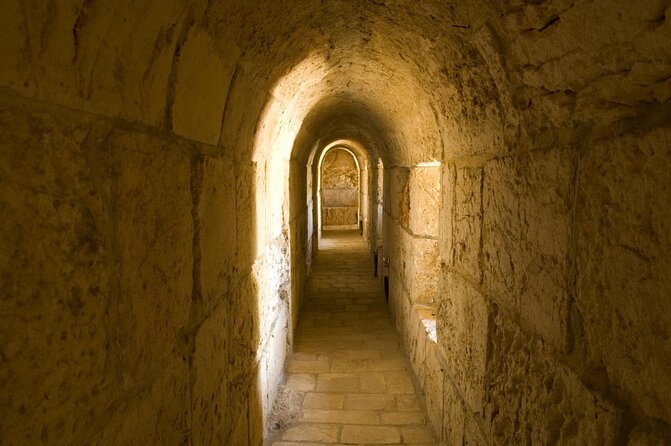
The underground sections are the most memorable part for many people. They can also be the hardest. Expect narrow passages, damp or hot conditions, and plenty of steps. One account describes becoming ill from the heat while walking through the tunnels. Take that warning seriously, especially in warm weather.
More City Tours in Jerusalem
- Jerusalem: Guided Walking Tour of the Old City
★ 4.7 · 386 reviews - Full Day City Tour of Jerusalem
★ 4.1 · 367 reviews - From Jerusalem Small group tour Old&New City ENTRY FEES INCL
★ 4.0 · 135 reviews
Mount Scopus and the First View of Jerusalem
The day begins around 8:30 a.m. with pickup in an air-conditioned vehicle. The first stop is listed as the Mount Scopus National Botanical Garden, where you spend about 30 minutes looking across Jerusalem. The tour description also places this opening view in the Mount of Olives area, the ridge east of the Old City.
This is a smart way to begin. Jerusalem is easier to understand when you first see its hills, valleys, and walls from above. The view includes the Old City and helps you place the Kidron Valley, Mount Zion, and the City of David before walking through them.
The Mount of Olives has long been important to Christian worship. The tour connects the ridge with events described in the Gospels, including the belief that Jesus ascended to heaven here. The slopes were once covered with olive trees, and the ridge remains a major pilgrimage site for Eastern Orthodox, Catholic, and Protestant Christians.
You do not spend hours here, so treat this as an orientation stop rather than a full visit to every religious site on the mountain. Bring a hat and water if the weather is warm. The view may be the easiest part of the day, but it prepares you for a long stretch on foot.
Kidron Valley and the Garden of Gethsemane
The route continues with views of the Kidron Valley and the Garden of Gethsemane. This section is brief, yet it adds useful geography to the day. The valley separates the Old City from the Mount of Olives and Mount Zion area, and it helps explain why Jerusalem’s hills matter so much to its history.
The Garden of Gethsemane is closely tied to the final events in the life of Jesus. You mainly view the area rather than spend a long period exploring it. That makes this a meaningful stop for Christian visitors, but those hoping for a quiet, extended garden visit may find the time limited.
The route through the valley also hints at the walking challenge ahead. Jerusalem is built on slopes, and many of the most important places are reached by steps or uneven streets. Good shoes are not optional here.
Mount Zion, King David’s Tomb, and the Last Supper Room
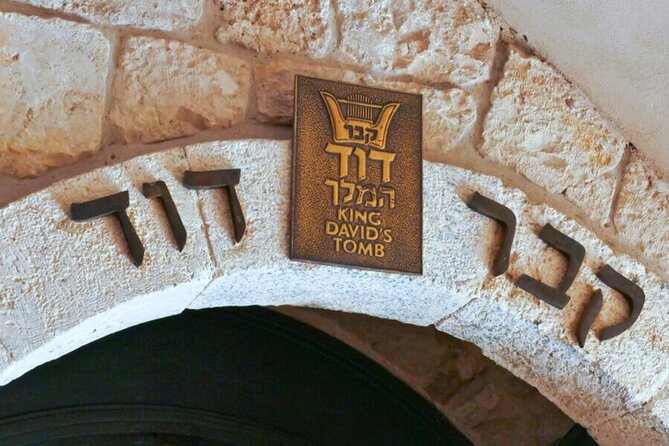
At Mount Zion, you visit King David’s Tomb and the Hall of the Last Supper. These sites sit close to one another, making them an efficient pair of stops.
King David’s Tomb is a place of Jewish devotion, though the exact location of David’s burial is a matter of tradition rather than archaeological certainty. The site is modest and typically receives only a short visit of about 10 minutes. It is still valuable because it shows how religious tradition shapes the way people experience Jerusalem.
The Last Supper Room, also called the Cenacle, is associated with the meal Jesus shared with his disciples. The present room reflects many layers of Jerusalem’s past, and the visit gives Christian pilgrims a direct connection to one of the central scenes in the Gospels.
This part of the day is more about religious meaning than long historical interpretation. A strong guide can explain how Jewish and Christian traditions overlap at Mount Zion without turning the visit into a rushed checklist. Guides praised by name, including Ziv and Eitan, were especially appreciated for patience and clear explanations.
More walks through the Old City:
- Best seller! Jerusalem old city four quarters tour
★ 5.0 · 123 reviews - Private Tour Jerusalem Old City
★ 5.0 · 118 reviews - All Inclusive Walking Tour Old City Jerusalem
★ 5.0 · 83 reviews - Jerusalem Half Day Tour: Holy Sepulchre and Western Wall
★ 4.5 · 80 reviews
Entering Through Zion Gate
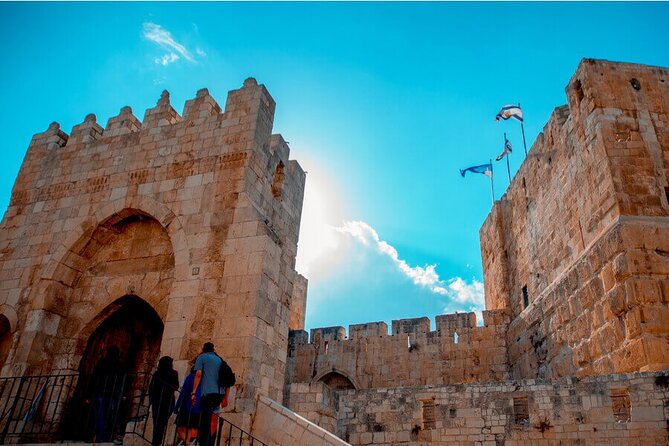
The group enters the Old City through Zion Gate, also known as David’s Gate. The gate still shows damage from fighting, giving you a visible reminder that Jerusalem’s history is not only ancient. This is one of the quickest stops, around 10 minutes, but it sets up the walk through the Jewish Quarter.
The Old City is divided into quarters, each with its own religious and cultural character. This tour concentrates on the Jewish Quarter, while also including a walk through the Armenian Quarter. You are not simply visiting isolated buildings. You are moving through a compact urban area where streets, walls, synagogues, churches, and archaeological remains sit close together.
The Armenian Quarter visit lasts about 20 minutes. It is shorter than the Jewish Quarter portion, so you should think of it as a brief introduction rather than a detailed look at Armenian Jerusalem.
The Jewish Quarter, Cardo, and Sephardic Synagogues
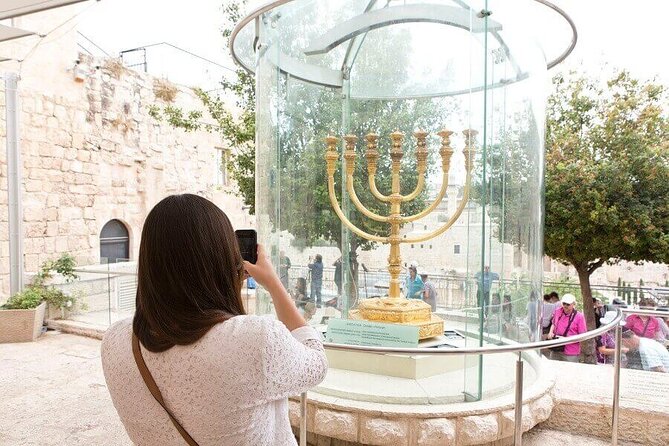
The Jewish Quarter receives about an hour, giving you time to see more than one landmark. The Four Sephardic Synagogues are among the most distinctive stops. They are four connected synagogues built at different times for the Sephardic Jewish community.
The buildings reflect the needs of a community that developed its own religious traditions and institutions in Jerusalem. The visit also adds variety to the day. You are not only looking at ancient ruins, but at places where religious life continued across generations.
The synagogues require an extra entrance fee. If they cannot be visited, the route may substitute the Hurva Synagogue. That backup is useful, but it means you should not treat the Four Sephardic Synagogues as guaranteed.
You also visit the Byzantine Cardo, the old commercial street that once ran through Roman and Byzantine Jerusalem. The present remains help you picture the Old City as a working center of shops and movement, not only a collection of sacred sites.
The Cardo stop lasts about 20 minutes. It is enough for an explanation and a look around, but not enough for a leisurely exploration of every ruin. I would pay close attention here, because the modern street level can make the ancient city difficult to picture without guidance.
The Western Wall and the Meaning of the Place
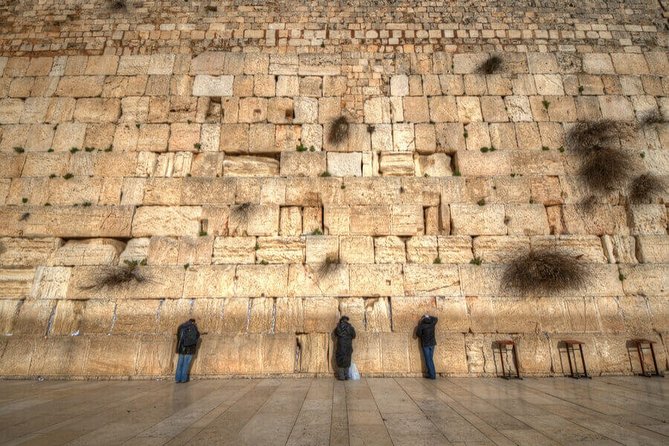
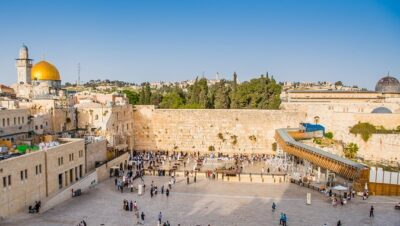
The tour includes about 20 minutes at the Western Wall. This is one of Jerusalem’s most important Jewish holy sites and often one of the most emotional stops for first-time visitors.
The Wall is part of the retaining structure associated with the ancient Temple complex. You will see people praying, placing notes, and approaching the Wall according to religious custom. The atmosphere can change from quiet reflection to busy movement within a few steps.
Dress matters here and at the other religious sites. Men and women must cover their shoulders and knees, and shorts are discouraged. You risk being refused entry to places of worship or selected museums if you arrive dressed for the beach.
Twenty minutes is a practical amount of time within a packed day, but it will not suit anyone who wants a long, private period of prayer. The tour gives you access and context, then moves on.
Walking Down Into Underground Jerusalem
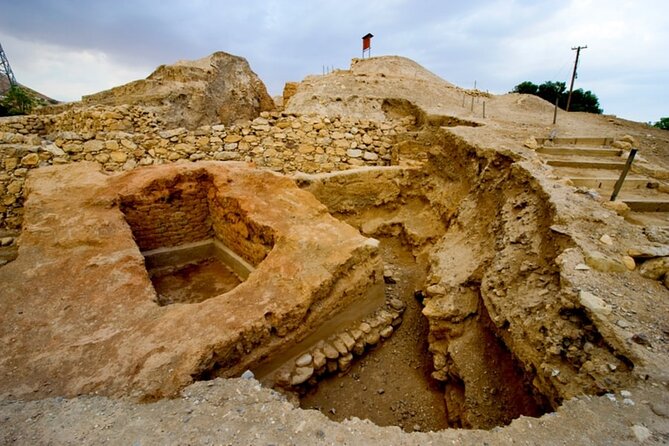
The City of David is the main reason to choose this tour over a basic Old City sightseeing route. The above-ground remains are interesting, but the underground sections show how archaeology can change your sense of the city.
The Warren area is linked to the older water systems beneath Jerusalem. The tunnels are not a casual stroll. They may feel hot, wet, narrow, or enclosed, and the amount of walking can be demanding. One guide, Yoni Dinur, was specifically praised for helping a participant who became unwell in the tunnels. That kind of care matters when a group is moving through difficult conditions.
I would carry water in a small backpack and make sure your phone or camera is fully charged. Use sturdy walking shoes rather than sandals. The tour information calls for a moderate amount of walking, but the actual day can feel strenuous because you also spend long periods standing and moving between sites.
The guide’s role is especially important underground. Without explanation, a tunnel can become a dark corridor. With clear commentary, it can help you understand ancient water management, settlement patterns, and the relationship between the City of David and the later Old City.
This is also the part most affected by weather. The underground passages may offer relief from strong sun, but damp or cold conditions can make them less comfortable. A rainy day does not necessarily ruin the tour, though you should dress for the forecast.
The Eight-Hour Pace and Transport Setup
The tour lasts about eight hours and uses an air-conditioned coach or minibus. Hotel pickup and drop-off are advertised as included, which is useful in Jerusalem, where parking and Old City access can be awkward.
The group may be moved through a staging process before joining the vehicle assigned to this particular tour. The exact pickup arrangement is worth confirming in advance, especially if you are staying outside the usual hotel area. One practical complaint concerned an inefficient early transfer and confusion about where the day began.
The group size can reach 40 people. That is not a small private tour, though some departures may feel more intimate. A larger group can make it harder to hear in busy streets or narrow quarters. On the other hand, a professional guide can keep the day moving and handle the complicated route better than you might manage alone.
The advertised day concludes with transport back to Jerusalem hotels. Still, one account found that the tour ended around 3 p.m. without a ride back to the original pickup location. I would confirm the final drop-off point when booking and again with the guide that morning. Do not build a tight afternoon reservation around the advertised end time.
Price, Extra Fees, and Overall Value
At $89 per person, the tour offers fair value if you want transportation, a full-day route, and a guide who can connect the sites. The price covers hotel pickup and drop-off, an air-conditioned vehicle, and professional guiding.
You should budget about $10 per person for entrance fees, with the City of David National Park admission listed separately. Food and drinks are also not included. There is no scheduled meal listed, so bring water and consider packing something simple to eat.
The value depends on your alternative. You can walk through much of the Old City on your own, but arranging Mount Scopus, Mount Zion, the Jewish Quarter, the Western Wall, and the City of David in one day takes effort. The best guides add real value by answering questions and explaining what you are seeing. Strong guides such as Gil, Moshe, Dan, and Ornit were praised for combining information with humor and a personal touch.
The weaker outcome comes when the guide spends too much time on personal or political opinions rather than the sites. That is not a reason to reject the tour outright, but it is a reminder that guide quality can vary.
Who Should Book This Jerusalem Tour?
I would choose this tour if you have one full day in Jerusalem and want a broad first look at the city’s Jewish and Christian landmarks. It is also a good fit if you want the City of David but prefer not to arrange transport and site visits yourself.
You should be comfortable walking, standing, climbing steps, and entering narrow underground spaces. The tour is not suitable for children under four, and it may be a poor match for anyone with difficulty handling heat, enclosed passages, or long days on foot.
The experience suits adults with a strong interest in archaeology, biblical settings, and the physical layers of Jerusalem. It is less suitable if you want slow photography stops, extended prayer time, or a relaxed cafe-filled day.
Book at least several weeks ahead if possible. The tour averages 127 days of advance booking, and it requires at least two participants to operate. Free cancellation is available up to 24 hours before the start time, but late cancellations and late changes are not refunded or accepted.
Final Verdict: A Strong Choice for Active First-Time Visitors
I would book this tour if the City of David and underground Jerusalem are high on your list. The route gives you a useful city overview, major religious sites, the Jewish Quarter, and archaeological remains in one well-packed day.
The tradeoff is clear: you get breadth and transport, but not much free time. You also need to budget for admission, wear suitable clothing, and prepare for real physical effort. If you can handle that, a strong guide can turn the tunnels and ruins into a story you understand, not just another set of stones.
FAQ
How long does the City of David and Underground Jerusalem tour last?
The tour lasts approximately eight hours and begins around 8:30 a.m.
Is hotel pickup and drop-off included?
Yes. Hotel pickup and drop-off in Jerusalem are included, with transport provided in an air-conditioned vehicle. Confirm the exact pickup and final drop-off details before the tour.
Is the City of David entrance fee included?
No. Entrance fees are not included. The listed estimate is about $10 per person, and the City of David National Park requires a separate admission fee.
How much walking is involved?
The tour includes a reasonable amount of walking, standing, steps, and underground passages. Comfortable walking shoes are recommended, and the day may feel physically demanding.
What should I wear?
You should wear clothing that covers your shoulders and knees. Shorts are discouraged, and you may be refused entry to places of worship or selected museums if you do not meet the dress requirements.
Can children join the tour?
Children under the age of four cannot participate. The tour has a maximum group size of 40 people and operates with a minimum of two participants.
Recently listed in Jerusalem
- West Bank Tour from Jerusalem and Tel-Aviv – Bethlehem & Jericho★ 5.0 · 6 reviews
- Tour of Jerusalem & Dead sea private tour★ 5.0 · 4 reviews
- One-Day Tour to Bethlehem and Jericho★ 5.0 · 2 reviews
- jerusalem classic tour★ 5.0 · 3 reviews
- full day tour Jerusalem price per van up to 6 people★ 5.0 · 8 reviews
- kosher Israel wine tour★ 5.0 · 4 reviews
- Private Silk Painting Workshop in Jerusalem – Create a scarf –★ 5.0 · 4 reviews
- Experience Shabbat With Dinner In Jerusalem★ 5.0 · 5 reviews
Jerusalem Old City Tours, compared.
Best seller! Jerusalem old city four quarters tour
Read our review →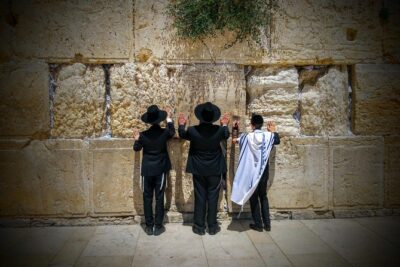
Jerusalem Half Day Tour: Holy Sepulchre and Western Wall
Read our review →
Jerusalem Half-Day Tour from Tel Aviv: Holy Sepulchre and Western Wall
Read our review →
Browse the lists this tour appears in