
Reviewed · JERUSALEM TOURS
Jerusalem: Meet the Orthodox Jews Tour
The black coats tell only part of the story. This 150-minute walking tour takes you into a traditional ultra-Orthodox neighborhood in Jerusalem, then explains the customs and daily routines that are easy to miss from the outside. I like the access to places most sightseeing routes skip, and I especially like the guide’s personal viewpoint as a former member of the community. The main drawback is that some locations cannot be entered, and street noise can make the guide difficult to hear.
This is not a tour built around grand monuments. It is a patient look at people, rules, family life, faith, and the place of the Haredi community in modern Israel. The discussion can be direct, and guides such as Moti have been praised for answering difficult questions with warmth and humor. Wear modest clothing, bring water, and expect an open conversation rather than a polished performance.
In This Review
- Key points at a glance
- Why this Jerusalem walk feels different
- Meeting the guide near Ha-Nevi’im Street
- Reading the neighborhood street by street
- The subjects that give the walk its depth
- What a former community member adds
- The pace, sound, and practical comfort
- Is $53 a fair price?
- Who should book this tour?
- Should you book the Meet the Orthodox Jews Tour?
- FAQ
- Where does the tour meet?
- How long does the tour last?
- What language is the tour conducted in?
- How much does the tour cost?
- Is food included?
- Can I enter every shop or religious building?
- What should I wear?
- What should I bring?
- Can I cancel the booking?
- Can I pay later?
Key points at a glance
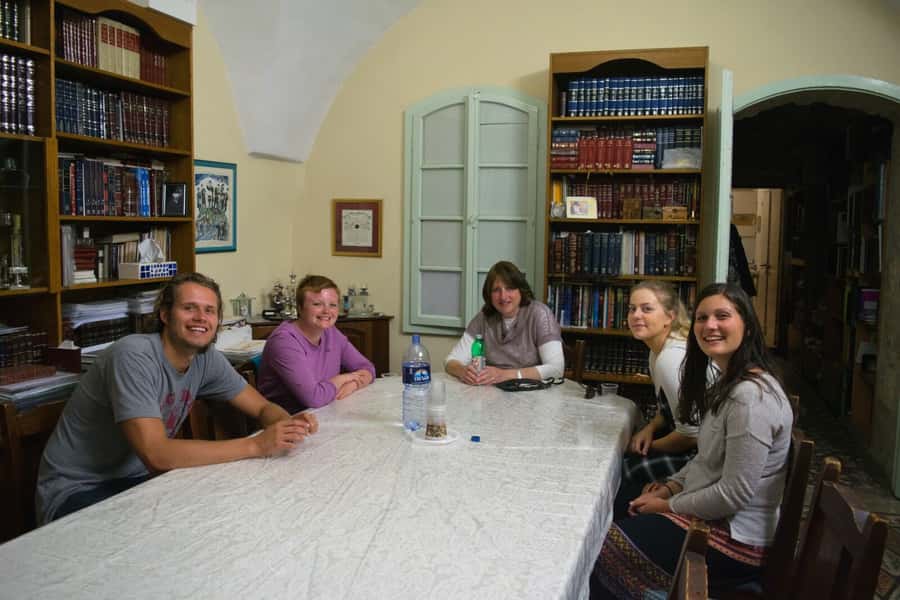
- A former insider leads the walk: The guide’s personal experience gives you context that an outside observer may not be able to provide.
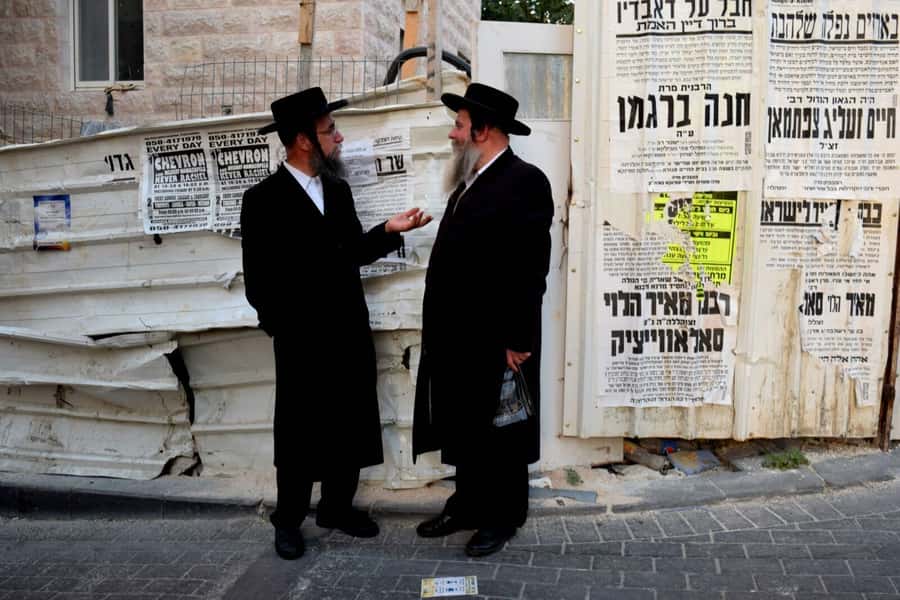
- The neighborhood is the main attraction: You see bookstores, bakeries, clothing shops, restaurants, synagogues, a Yeshiva, and other everyday places.
- You learn through conversation: Marriage, women’s roles, kosher food, phones, media, charity, Sabbath customs, and modern Israeli society are all part of the discussion.
- Respectful limits matter: Some community spaces cannot be entered, so explanations from the street are an important part of the experience.
- Modest dress is required: Bring a scarf or shawl for women, and avoid shorts or bare shoulders for everyone.
- The price is reasonable for a focused small-group experience: At $53 per person, the value rests mainly in the guide’s insight and the unusual subject matter.
Why this Jerusalem walk feels different
Many Jerusalem tours move from one famous stone building to the next. This one asks you to pay attention to ordinary streets and the people who use them. That change of focus is the reason to book it.
The ultra-Orthodox, often called Haredi, community follows religious practices that shape nearly every part of daily life. Clothing, food, family structure, education, work, technology, prayer, and the weekly Sabbath all connect. You are not simply shown a neighborhood. You are given a framework for understanding what you see.
I like that the experience does not pretend you can understand an entire community in two and a half hours. Instead, it offers selected examples and leaves room for questions. A bakery, bookstore, or clothing shop may look unremarkable at first. With explanation, each can show how religious rules affect shopping, work, social contact, and public behavior.
The tour also has value because it deals with a community that many people observe from a distance. Your guide can explain customs without turning the walk into a lecture about abstract religion. The best moments are likely to come when a simple street detail leads to a larger discussion.
More Jerusalem tours worth comparing
- From Jerusalem: Masada & Dead Sea Full Day Tour with Pick Up
★ 4.5 · 815 reviews - Masada and the Dead Sea Day Trip from Jerusalem
★ 4.5 · 757 reviews - From Jerusalem: Nazareth and Sea of Galilee Tour
★ 4.5 · 588 reviews
Meeting the guide near Ha-Nevi’im Street
The current meeting point is the bus stop outside Abraham Jerusalem at Ha-Nevi’im Street 67. The hostel itself is closed at the moment, so do not assume you are meeting inside the building. Check the exact starting time when you book and arrive with enough time to identify the bus stop.
The activity is conducted in English with a live guide. The supplied information does not give a fixed group size, so you should not book expecting a private walk unless that is specifically confirmed. A few comments describe the guide as friendly, warm, and able to handle challenging questions without becoming defensive.
One guide named in the feedback is Moti. He was praised for answering personal questions and for keeping the conversation open. Another guide, whose name was not recorded, was described as someone who had grown up in the community and later left it. That distinction matters: a former member may offer both close knowledge and a critical view.
You should still approach the guide with respect. The subject can touch on religion, gender, family, politics, and personal identity. Ask direct questions, but listen carefully to the answers. The walk works best as a conversation, not as a chance to score points.
Reading the neighborhood street by street
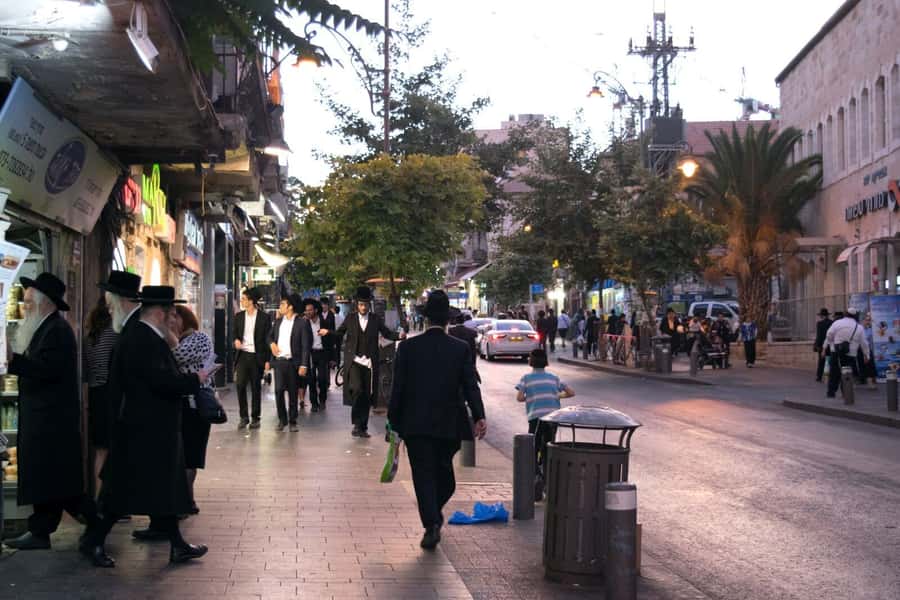
The itinerary centers on a nearby traditional ultra-Orthodox neighborhood that is not typically included in tourist routes. You walk through the streets while the guide points out religious symbols, local customs, and significant sites.
Do not expect every stop to function like a standard attraction. A bookstore may be viewed from the outside while the guide explains what kinds of books are important in the community. A music store may open a discussion about acceptable entertainment, education, and cultural boundaries. A clothing shop can help explain modesty rules and why dress carries such strong social meaning.
The same is true of the bakery and restaurant. Food is not just a matter of taste here. Kosher rules affect ingredients, preparation, certification, and where people eat. The guide can connect those practical details to religious observance and daily routines.
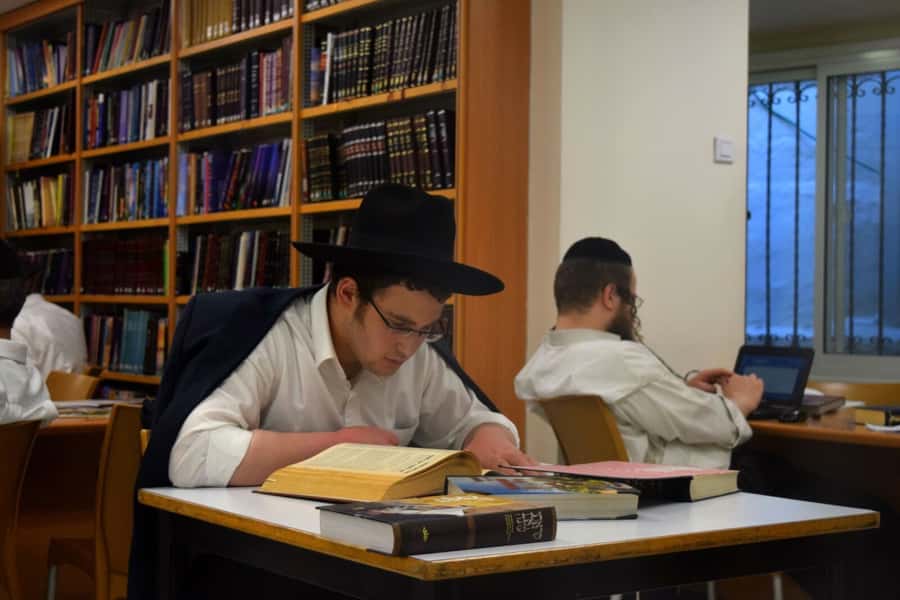
You may also see a synagogue and a Yeshiva. These are not simply photo stops. They represent the central role of prayer and religious study in community life. Since some places cannot be entered, the quality of the explanation becomes especially important. You will sometimes stand outside and listen rather than walk through the doorway.
That limitation is worth accepting before you go. If you want interior visits at every stop, this is not the right tour. If you want a respectful introduction to how the community uses its streets and institutions, the outside perspective can still be useful.
The subjects that give the walk its depth
The guide discusses issues that affect the whole shape of Haredi life. Marriage is one of the key topics, along with the role of women, family expectations, and the way religious identity is passed from one generation to the next.
You can ask about media and phones, subjects that show how modern technology can fit uneasily with strict religious practice. The discussion of phones is especially practical because it connects belief with an object you carry every day. The same applies to newspapers, entertainment, and access to outside information.
Charity is another topic. The guide can explain how mutual support operates within the community and how charitable customs relate to everyday obligations. Kosher food offers a similar window into the link between religious law and ordinary habits.
The Sabbath and Jewish holidays also receive attention. These observances change the rhythm of the week, affecting commerce, transport, work, and public life. You will gain more from this part if you ask how the rules affect an ordinary household rather than treating them as a list of restrictions.
The tour also considers the current place of the ultra-Orthodox sector in Israeli society. That wider context keeps the experience from becoming a display of unusual customs. You are encouraged to think about how this community relates to the rest of the country, including areas of agreement and tension.
A different day out, same base:
- Nazareth and the Sea of Galilee Day Trip from Jerusalem
★ 4.5 · 446 reviews - From Jerusalem: Masada&Dead Sea Tour INCLUDING ENTRANCE FEES
★ 4.3 · 392 reviews - Jerusalem: Guided Walking Tour of the Old City
★ 4.7 · 386 reviews - Full Day City Tour of Jerusalem
★ 4.1 · 367 reviews
What a former community member adds
The most praised feature of this experience is the guide’s first-person connection to the subject. Several comments describe the tour as unusually powerful because the guide had actually grown up inside the ultra-Orthodox world.
That background can make small explanations more precise. A guide who has lived within the system may understand why a custom matters, not just what it looks like. He may also explain differences between public appearance and private experience.
A former member can offer a more questioning viewpoint than a guide who is presenting only official beliefs. One account described the guide as critical without being hostile. That balance is important. You want a clear explanation, not a sales pitch for or against the community.
The personal story at the end can also affect the mood. One participant found the guide’s account of leaving the community deeply moving. You should be prepared for the walk to become more personal near its close, especially if the guide discusses identity, family, or the cost of leaving.
This is also why the tour may not feel like a light sightseeing activity. It can challenge assumptions. You might leave with more sympathy, more questions, or both. That is a useful result, but it may not suit someone looking only for easy photo opportunities.
The pace, sound, and practical comfort
The stated duration is 150 minutes, though one description of a past outing refers to three hours. Treat two and a half hours as the official planning figure and allow a little extra flexibility if your day is tightly scheduled.
You are walking outdoors, so comfortable shoes and water matter. A hat is recommended, particularly in warm weather. Bring a camera if you want one, but use good judgment before photographing people, shops, or religious sites. The focus should be observation and listening, not collecting images at any cost.
Modest clothing is required. Do not wear shorts or sleeveless shirts. Men and women should avoid bare shoulders, and women should bring a scarf or shawl. This is not a minor suggestion. Dress shows respect and may affect whether you can comfortably move through the neighborhood.
One practical criticism concerns sound. In noisy areas, it can be hard to hear the guide, and headsets are not provided according to the available information. Stay close enough to the guide to follow the explanation, especially when the group is near traffic or other street activity.
There is also no food or drink included. That is not a major problem for a 150-minute walk, but you should carry water and eat beforehand if you need a full meal. The route may pass a typical bakery or restaurant, but the experience does not promise a tasting or a restaurant visit.
Is $53 a fair price?
At $53 per person, this costs more than a basic orientation walk, but the comparison is not quite fair. You are paying for a specialized subject, a live English-speaking guide, access to a neighborhood rarely included on standard sightseeing routes, and the chance to ask questions throughout.
The value depends heavily on the guide. A strong former insider can explain the meaning behind a dozen ordinary details. A weaker presentation would leave you looking at closed doors and shopfronts. The available feedback strongly emphasizes warm, open, personal guiding, which is encouraging, but the exact guide may vary.
I consider the price fair for visitors who want social and religious context rather than another checklist of monuments. It is particularly useful if you have already seen Jerusalem’s main holy sites and want to understand one of the city’s major communities.
It is less useful if you dislike discussion or want guaranteed interior access. You should also compare the cost with your own interest level. If the subjects of family life, Sabbath rules, religious education, and modern Israeli society genuinely interest you, $53 can buy a memorable afternoon. If you only want a quick look at traditional clothing and architecture, it may feel expensive.
Cancellation is flexible: you can cancel up to 24 hours ahead for a full refund, and you can reserve now while paying later. Keep those options in mind if your Jerusalem schedule is still shifting.
Who should book this tour?
I would recommend it to culturally curious adults, students of religion, visitors interested in Israeli society, and anyone who wants to question their first impressions. It also suits people who enjoy asking questions and hearing a guide explain difficult subjects in plain language.
The walk can work well for Jewish visitors and non-Jewish visitors alike. One past participant who was Jewish found the tour opened a world that was still unfamiliar. That is a useful reminder that shared religion does not automatically mean shared practice or understanding.
Families with older teenagers may find the subjects worthwhile, provided everyone can follow a serious conversation about gender, marriage, religious authority, and community expectations. The activity is not described as a children’s tour, so younger children may not get much from it.
You should skip it if your clothing cannot meet the modesty rules, if you need a fully accessible indoor route, or if you expect to enter every shop and religious building. You should also reconsider if you prefer tours that avoid sensitive social questions.
Should you book the Meet the Orthodox Jews Tour?
Book it if you want Jerusalem explained through daily life rather than famous landmarks. The former-insider format, open questions, and walk through a neighborhood outside the usual tourist circuit give this experience a clear purpose.
Go prepared for limits. Some sites remain outside-only, street noise may interfere with the guide, and the discussion can become emotional. Wear modest clothing, bring water, and stay near the guide.
For $53, I see good value in the chance to understand customs, institutions, and social tensions through someone who has lived within the community. It is not a complete portrait of ultra-Orthodox Jerusalem, but it can be a thoughtful and memorable starting point.
FAQ
Where does the tour meet?
Meet at the bus stop outside Abraham Jerusalem at Ha-Nevi’im Street 67 in Jerusalem. The hostel is currently closed, so do not plan to meet inside it.
How long does the tour last?
The official duration is 150 minutes, or two and a half hours. Check the available starting times when booking.
What language is the tour conducted in?
The tour is conducted in English with a live guide.
How much does the tour cost?
The listed price is $53 per person.
Is food included?
No. Food and drinks are not included.
Can I enter every shop or religious building?
No. Some places cannot be entered because local community rules forbid it. The guide explains them from outside when necessary.
What should I wear?
Wear modest clothing. Shorts and sleeveless shirts are not allowed, and both men and women should avoid bare shoulders. Women should bring a scarf or shawl.
What should I bring?
Bring a hat, water, and a camera. Comfortable clothing suitable for a walking tour is also sensible.
Can I cancel the booking?
Yes. You can cancel up to 24 hours in advance for a full refund.
Can I pay later?
Yes. The reserve-now, pay-later option lets you hold a place without paying at the time of booking.
Recently listed in Jerusalem
- West Bank Tour from Jerusalem and Tel-Aviv – Bethlehem & Jericho★ 5.0 · 6 reviews
- Tour of Jerusalem & Dead sea private tour★ 5.0 · 4 reviews
- One-Day Tour to Bethlehem and Jericho★ 5.0 · 2 reviews
- jerusalem classic tour★ 5.0 · 3 reviews
- full day tour Jerusalem price per van up to 6 people★ 5.0 · 8 reviews
- kosher Israel wine tour★ 5.0 · 4 reviews
- Experience Shabbat With Dinner In Jerusalem★ 5.0 · 5 reviews
- Private Tour: Old City of Jerusalem Christianity Tour★ 5.0 · 5 reviews
Jerusalem Tours, compared.
Masada and the Dead Sea Day Trip from Jerusalem
Read our review →

Nazareth and the Sea of Galilee Day Trip from Jerusalem
Read our review →
Browse the lists this tour appears in