
Reviewed · JERUSALEM TOURS
Jerusalem: Dual Narrative Tour
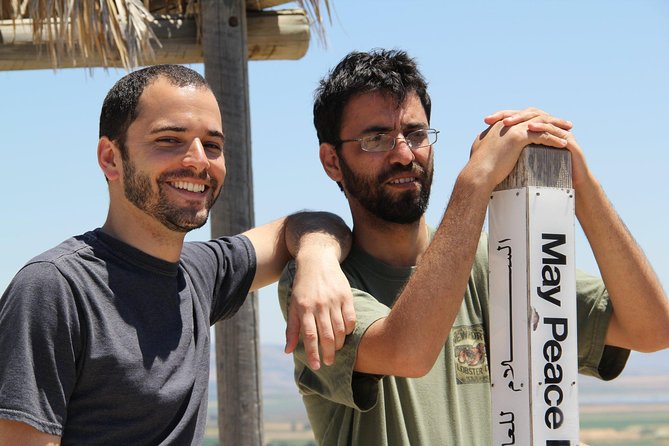
Jerusalem is easier to understand with two voices. This four-and-a-half-hour Old City walk pairs a Jewish guide with a Palestinian guide, giving you two personal and historical viewpoints at sites sacred to Jews, Christians, and Muslims. I like the respectful format, and I like that the tour connects famous monuments to present-day arguments over land, memory, and power. The main drawback is pace: with so much ground to cover, some stops are brief, and the day can feel hot and tiring without a planned food break.
At $65 per person, the tour offers solid value if you want context rather than a quick parade of monuments. The guides have been praised for clear, candid explanations and calm discussion, with past guide pairings including Betty and Ameer, Morgi and Amir, and Nour and Alex. You should arrive ready to walk, listen, ask questions, and sit with some uncomfortable issues.
In This Review
- Key points to know before you book
- Why the two-guide format matters in Jerusalem
- Jaffa Gate sets the argument in motion
- The Armenian Quarter adds a smaller, vital story
- The Roman Cardo reveals selective archaeology
- A rooftop view connects the Old City to East Jerusalem
- The Church of the Holy Sepulchre needs patience and focus
- The Muslim Quarter shows how communities share one city
- Via Dolorosa closes the walking route
- The Western Wall and Al Buraq Square
- The Temple Mount and Noble Sanctuary demand careful listening
- What the $65 price really buys you
- Practical advice for a smoother morning
- Who should book the Dual Narrative Tour?
- Should you book it?
- FAQ
- How long does the Jerusalem Dual Narrative Tour last?
- What time does the tour begin?
- Where does the tour start?
- Where does the tour end?
- How many people can join the tour?
- What should I wear?
- Are food and drinks included?
- Can I cancel for a refund?
Key points to know before you book
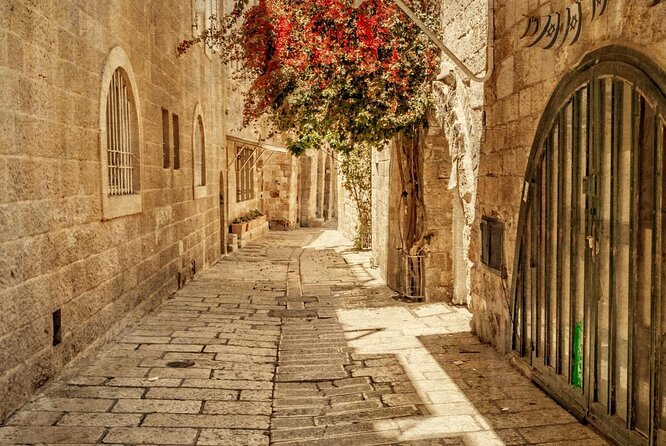
- Two guides, two lived perspectives: A Jewish Israeli guide and a Palestinian guide explain Jerusalem’s history and current disputes together.
- Nine major stops in 4.5 hours: The route covers Jaffa Gate, the four Old City quarters, the Church of the Holy Sepulchre, the Western Wall, and the Temple Mount or Noble Sanctuary.
- Political context is central: This is not only a religious sightseeing tour. It examines borders, archaeology, signage, control of public space, and competing claims.
- The strongest feature is respectful discussion: The guides are expected to disagree at times, but the tone is designed to remain civil and useful.
- Plan for heat and limited downtime: Bring water and a hat. Food and drinks are not included, and the schedule may not leave much time for a sit-down break.
- Modest clothing is required: Knees and shoulders must be covered for men and women at places of worship and selected museums.
Why the two-guide format matters in Jerusalem
Jerusalem is not a city where one explanation covers everything. A Roman column, a prayer plaza, a church entrance, or a city wall can carry several meanings at once. This tour’s basic idea is simple: let a Jewish guide and a Palestinian guide explain those meanings side by side.
That format is useful because it shows you where history ends and present-day interpretation begins. You will hear about religious tradition, archaeological evidence, modern national claims, and the daily effects of political control. The guides do not simply divide the tour into one Jewish section and one Palestinian section. They discuss the same places together.
The best part is the human tone. The guides have been praised for being direct without becoming hostile, and for answering difficult questions with patience. That matters in Jerusalem, where a rushed or careless comment can flatten a complicated subject into a slogan.
I would not book this tour if you want only quiet contemplation inside holy places. It is designed for conversation and explanation. You will often stop outside a site, hear its background, and then move on rather than spend a long time waiting in a queue or studying every interior detail.
More Jerusalem tours worth comparing
- From Jerusalem: Masada & Dead Sea Full Day Tour with Pick Up
★ 4.5 · 815 reviews - Masada and the Dead Sea Day Trip from Jerusalem
★ 4.5 · 757 reviews - From Jerusalem: Nazareth and Sea of Galilee Tour
★ 4.5 · 588 reviews
Jaffa Gate sets the argument in motion
The tour begins at 9:30 a.m. in the plaza just outside Jaffa Gate. Look for the representative holding a Jerusalem: Dual Narrative Tour sign. This is a practical meeting point, close to public transportation and easy to identify within the Old City area.
The opening discussion uses the entrance itself to frame the day. You will get an introduction to Jerusalem and the geography of Israel and Palestine, then consider what signs and symbols at the gate communicate about authority. The question is not only who built a wall or repaired a gate. It is also who places its language in public view and how ruling powers mark their claim to space.
This first stop lasts about 20 minutes. That may feel short, but it gives you a useful way to read the rest of the Old City. Look for names, flags, plaques, restored buildings, and archaeological displays as you walk.
The Armenian Quarter adds a smaller, vital story
The 10-minute stop in the Armenian Quarter focuses on signage commemorating the Armenian genocide, along with Armenian identity and history in Jerusalem. This is a welcome choice. Many visitors spend their time moving between the city’s major Jewish, Christian, and Muslim sites and miss the Armenian community entirely.
Here, you will consider how a smaller community maintains its identity in a city shaped by several faiths and political authorities. The stop also reminds you that Jerusalem’s story is not a simple three-part division. Other communities have lived here, worshipped here, and carried their own memories through periods of upheaval.
Because the visit is brief, do not expect a full tour of Armenian institutions. The value is in the question it raises: how does a community preserve its place when larger religious and national narratives compete for attention?
The Roman Cardo reveals selective archaeology
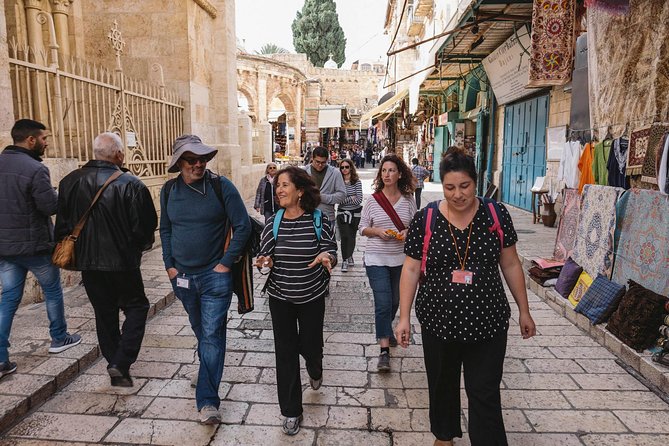
In the Jewish Quarter, the tour visits the Roman Cardo, a central archaeological feature that helps connect present-day Jewish life with earlier periods of Jerusalem’s history. The guides explain the Israeli narrative that links modern Jewish life to the city’s ancient past.
The more revealing part concerns what lies beneath the visible ruins. Archaeological sites are never just what survives underground. Someone decides which layers to uncover, which structures to remove, and which period to present to the public. The tour asks you to consider how excavation can support a national story while leaving other periods less visible.
This stop lasts about 20 minutes. It is enough time for a clear explanation, but not an extended archaeological visit. If you enjoy examining stones, inscriptions, and building details at leisure, you may want to return later on your own.
A different day out, same base:
- Nazareth and the Sea of Galilee Day Trip from Jerusalem
★ 4.5 · 446 reviews - From Jerusalem: Masada&Dead Sea Tour INCLUDING ENTRANCE FEES
★ 4.3 · 392 reviews - Jerusalem: Guided Walking Tour of the Old City
★ 4.7 · 386 reviews - Full Day City Tour of Jerusalem
★ 4.1 · 367 reviews
A rooftop view connects the Old City to East Jerusalem
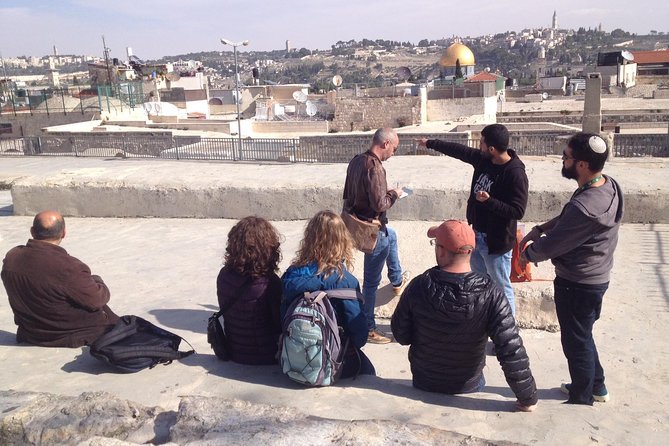
At St. Mark’s Syriac Church, the group stops above the church at a rooftop looking toward East Jerusalem. From there, the guides review Jerusalem’s borders and major landmarks.
This is one of the tour’s most practical moments. Maps can make borders seem tidy. Rooftop views show you how closely the city’s neighborhoods and religious sites sit beside one another. You can connect the walls, domes, streets, and surrounding districts to the political discussion you heard at Jaffa Gate.
The stop lasts about 10 minutes. It is a viewing and explanation point, not a full church visit. Bring water and a hat, especially in warm weather, since much of the tour takes place outdoors.
The Church of the Holy Sepulchre needs patience and focus
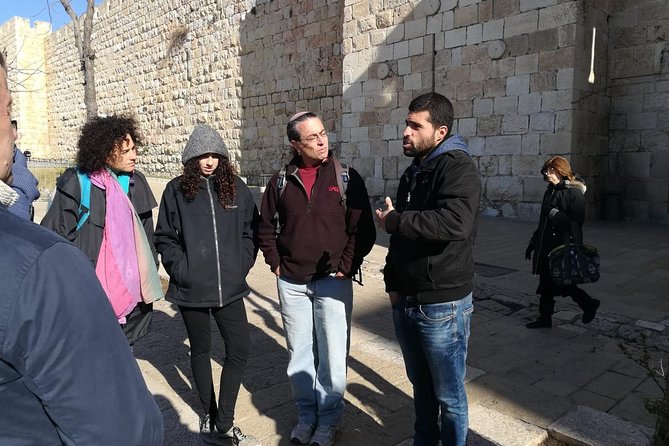
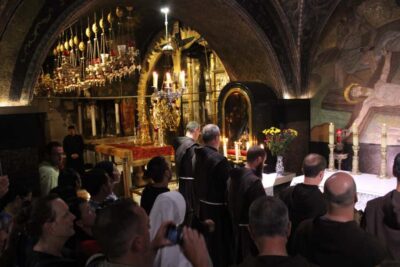
The Church of the Holy Sepulchre is one of the tour’s major highlights. The guides explain its importance in Christian tradition, as well as how it fits into Israeli and Palestinian accounts of Jerusalem. You will visit major sites within the church itself.
The church can be visually and emotionally intense, but this tour approaches it through context. You will learn why the location matters to Christians and how control, access, and competing claims affect the way the site is experienced.
The planned visit lasts about 30 minutes. That is enough for an introduction and a look at important areas, but it may not allow time to stand in every queue or examine each chapel. If visiting the tomb associated with Jesus is a top priority, plan a separate return visit. One piece of feedback specifically noted that the tour’s discussion took time away from a detailed visit inside the church.
That is not necessarily a flaw. The tour is trying to explain the site, not replace a personal pilgrimage. Still, you should know the difference before booking.
The Muslim Quarter shows how communities share one city
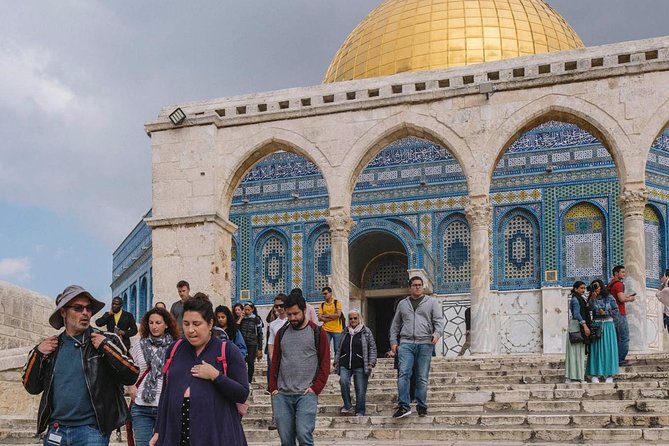
The route then moves through the Muslim Quarter for about 15 minutes. The guides discuss the communities of the Old City, their links to the wider Muslim world, and present tensions.
This section helps prevent a common mistake: treating the Muslim Quarter as a passageway between Christian and Jewish sights. It is a living part of the Old City with its own history, religious connections, and political pressures.
The short timing means you will receive a focused overview rather than an extended neighborhood walk. Pay attention to how the guides connect local streets with larger questions about identity and access. The point is not simply to label an area. It is to understand how daily life continues in a place that also carries enormous religious and political weight.
Via Dolorosa closes the walking route
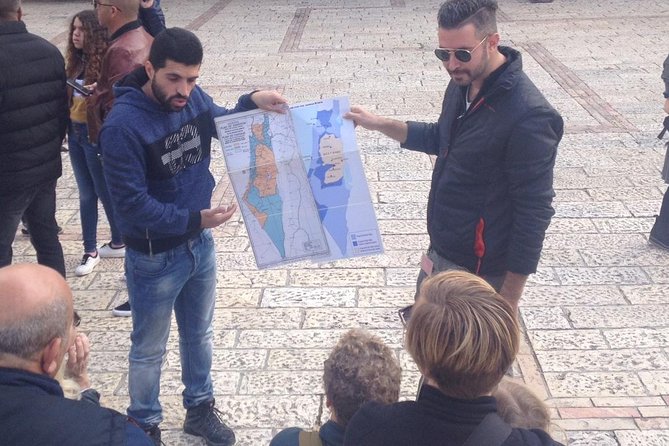
The tour concludes near the Fifth Station of the Cross and the Austrian Hospice on Via Dolorosa. The guides offer final reflections and leave time for questions.
This is a sensible ending because the route has moved through the Old City’s major religious traditions before returning to a place strongly associated with Christian pilgrimage. You can use the question period to sort out points that seemed unclear earlier, especially around the relationship between ancient traditions and current politics.
The itinerary allows about 20 minutes here. The timing may vary with crowds, and the walk can feel fast. One piece of feedback found the tour too long, hot, and tiring, while another noted that there was not enough time to walk the Via Dolorosa in detail. Take that seriously. This is a guided overview, not a slow pilgrimage walk with long pauses at every station.
The stated end point is the Austrian Hospice, Via Dolorosa Street 37. That makes it easy to continue exploring the Old City afterward, but food and drinks are not included, so plan your next stop.
The Western Wall and Al Buraq Square
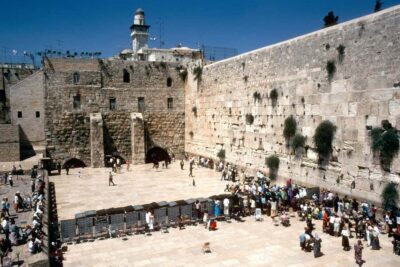
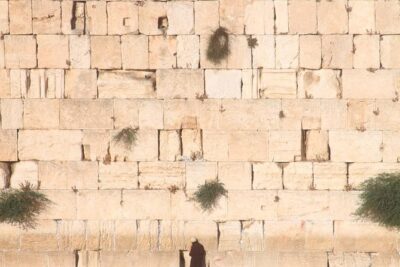
The tour also includes the Western Wall, reached after passing through Wadi Road and entering the Western Wall and Al Buraq square. The guides explain the Second Temple in Jerusalem and the long Jewish tradition of pilgrimage to the remaining wall.
You will also hear about Al Buraq and the Islamic account of Muhammad’s flight to Jerusalem. This is where the dual format becomes especially important. The same area carries distinct names, memories, and religious meanings, and the guides explain why those meanings are tied to present disputes.
The discussion also covers how the open complex looked before and after it was captured by Israel more than 50 years ago. That historical comparison helps you see the plaza as a changing political space, not only as a place of prayer.
The stop is scheduled for about 25 minutes. Dress modestly and follow instructions at the prayer area. The visit is focused on explanation and orientation, so you may not have time for a long personal prayer or extended observation.
The Temple Mount and Noble Sanctuary demand careful listening
The final major site is Al Masjid Al Aqsa, reached by ascending to the Temple Mount or Noble Sanctuary complex. The stop lasts about one hour, making it the longest portion of the tour.
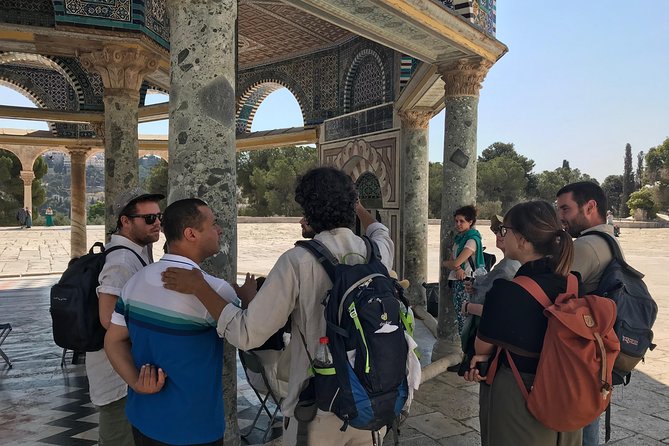
You will view the tiled Dome of the Rock and Al Aqsa Mosque while learning why this platform matters to Judaism, Christianity, and Islam. The guides also explain why it is such a flash point in the conflict between Israelis and Palestinians.
This is probably the tour’s most important stop, but it may also be the hardest to absorb. Religious belief, archaeology, national identity, and control of access all meet here. The dual narrative is valuable because it helps you hear how different communities understand the same stones and the same elevated platform.
Do not expect every area to be open for a full interior visit. The information provided describes viewing the Dome of the Rock shrine and Al Aqsa Mosque and discussing the complex’s importance. Conditions at religious sites can affect access, so treat this as a guided explanation of the compound rather than a guarantee of unrestricted entry.
What the $65 price really buys you
At $65, you are paying mainly for the quality and structure of the interpretation. Admission tickets are listed as free, and transportation, food, and drinks are not included. The price covers two professional guides and a tour escort or host, which is the central reason this experience costs more than simply joining a basic Old City walk.
For a first morning in Jerusalem, I think the value is good if you want political and religious context. You cover a large number of major sites in one half-day and gain a framework for returning to them later.
The value is weaker if you want long visits inside churches, time for private prayer, or a relaxed meal break. The schedule includes nine stops, and the group may move quickly to stay on time. The group size can reach 20 people, small enough for a guided walk but large enough that hearing every word may be difficult in crowded streets.
Choose a position near the guides when possible. The tour is discussion-heavy, and one criticism focused on poor hearing. Crowds, stone walls, and street noise can make it hard to catch every sentence.
Practical advice for a smoother morning
Wear comfortable shoes and bring plenty of water. The route requires a moderate level of physical fitness, includes walking through the Old City, and involves an ascent to the Temple Mount or Noble Sanctuary.
Dress for religious sites from the start. Shorts and sleeveless tops are not allowed, and both men and women must cover their knees and shoulders. A hat is recommended for sun protection, but you may need to remove it in certain religious settings.
Do not bring large electronics. Service animals are allowed, and the meeting point is near public transportation. Confirmation is provided when you book, and free cancellation is available if you cancel at least 24 hours before the 9:30 a.m. start time. The experience requires a minimum number of participants, so a cancellation by the operator can result in another date or a full refund.
I would book this early if your schedule is fixed. It is commonly reserved about 25 days ahead, which suggests that a last-minute place may not always be available.
Who should book the Dual Narrative Tour?
I recommend this tour to first-time visitors who want the Old City explained rather than merely photographed. It suits you if you are willing to hear competing accounts, ask respectful questions, and accept that no single guide can make Jerusalem’s disputes simple.
It is also a good choice for families with older children, students, and anyone interested in how religious tradition and modern politics shape public space. The guides have repeatedly been praised for being warm, candid, and respectful toward one another.
I would choose another format if you have limited walking ability, need regular meal breaks, or want a slow religious pilgrimage. You may also prefer a private guide if hearing every exchange is essential.
Should you book it?
Book the Jerusalem Dual Narrative Tour if you want a thoughtful half-day introduction to the Old City and its competing stories. The two-guide structure is the real attraction, and the strongest moments come when both guides address the same site from different points of view.
Just set the right expectations. This is a fast, serious walking tour with limited downtime, not a leisurely day of private visits. Bring water, cover your knees and shoulders, stay close enough to hear, and save extra time for any church, mosque, or pilgrimage site you want to explore in detail.
FAQ
How long does the Jerusalem Dual Narrative Tour last?
The tour lasts approximately 4 hours and 30 minutes.
What time does the tour begin?
It begins at 9:30 a.m.
Where does the tour start?
The meeting point is the plaza just outside Jaffa Gate in Jerusalem’s Old City. Look for a representative holding a Jerusalem: Dual Narrative Tour sign.
Where does the tour end?
The tour ends at the Austrian Hospice, Via Dolorosa Street 37.
How many people can join the tour?
The maximum group size is 20 participants.
What should I wear?
Knees and shoulders must be covered for both men and women. Shorts and sleeveless tops are not allowed at places of worship and selected museums.
Are food and drinks included?
No. Food and drinks are not included unless specifically stated. Bring plenty of water, and plan your own meal before or after the tour.
Can I cancel for a refund?
Yes. You can receive a full refund if you cancel at least 24 hours before the experience start time. Changes or cancellations made less than 24 hours before the start are not accepted for a refund.
Recently listed in Jerusalem
- One-Day Tour to Bethlehem and Jericho★ 5.0 · 2 reviews
- West Bank Tour from Jerusalem and Tel-Aviv – Bethlehem & Jericho★ 5.0 · 6 reviews
- Tour of Jerusalem & Dead sea private tour★ 5.0 · 4 reviews
- jerusalem classic tour★ 5.0 · 3 reviews
- full day tour Jerusalem price per van up to 6 people★ 5.0 · 8 reviews
- kosher Israel wine tour★ 5.0 · 4 reviews
- Private Silk Painting Workshop in Jerusalem – Create a scarf –★ 5.0 · 4 reviews
- Experience Shabbat With Dinner In Jerusalem★ 5.0 · 5 reviews
Jerusalem Tours, compared.
Masada and the Dead Sea Day Trip from Jerusalem
Read our review →

Nazareth and the Sea of Galilee Day Trip from Jerusalem
Read our review →
Browse the lists this tour appears in