
Reviewed · BETHLEHEM AND HOLY LAND TOURS
Jerusalem and Bethlehem Full-Day Tour from Jerusalem
Jerusalem and Bethlehem pack centuries into one day. This tour gives you wide views from Mount Scopus and the Mount of Olives, then leads you through the Old City’s Jewish, Christian, and Armenian quarters before continuing to Bethlehem. I like the clear focus on the major sacred sites, and I also like the local handoff to a Palestinian guide for the Bethlehem portion. The main drawback is the schedule: ten hours is a lot of walking, and the Grotto of the Nativity may be skipped when crowds slow the day.
The price is $106 per person, including transport, guides, entry fees, and central Jerusalem hotel pickup and drop-off. That is fair for a day covering two cities and two jurisdictions, though food is extra and the border crossing can make the timing less predictable. Bring your passport, dress modestly, and expect a busy day rather than a slow, reflective pilgrimage.
In This Review
- Key points to know before booking
- Why this full-day route works
- Mount Scopus and Mount of Olives: Jerusalem from above
- Through the Old City walls and Armenian Quarter
- Stations of the Cross and the Church of the Holy Sepulchre
- The Byzantine Cardo and restored Jewish Quarter
- Crossing into Bethlehem
- Manger Square and the Church of the Nativity
- Shepherd’s Fields and the ride back
- Price, transport, and the real value
- Guide quality and what it can change
- Who should book this day trip?
- FAQ
- How long does the Jerusalem and Bethlehem tour last?
- What is included in the tour price?
- Are food and drinks included?
- Which languages are available?
- Do I need to bring my passport?
- Will I need to change buses?
- Can I visit the Grotto of the Nativity?
- Is the tour suitable for young children or wheelchair users?
- Can I cancel the booking?
- Should you book it?
Key points to know before booking
- Mount Scopus and the Mount of Olives provide the opening views: You begin with a useful orientation to Jerusalem, including the Old City walls and Temple Mount area.
- The Old City route covers three religious traditions: The itinerary moves through Armenian, Christian, and Jewish areas, with stops at the Western Wall, Church of the Holy Sepulchre, Stations of the Cross, Cardo, and Jewish Quarter.
- Bethlehem requires a change of guide and possibly a change of bus: A Palestinian guide meets the group at a border post, and Palestinian Authority rules control the crossing.
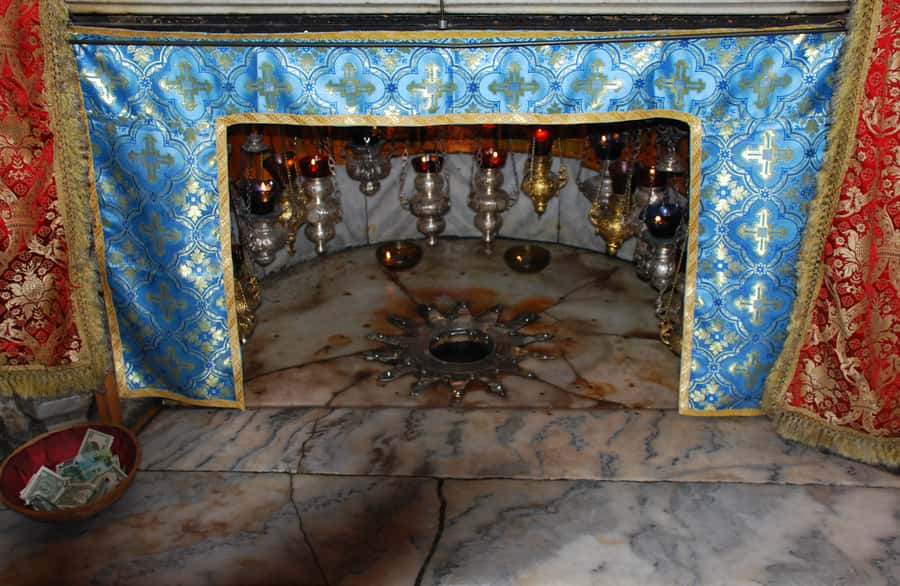
- The Nativity Church is the Bethlehem centerpiece: You visit Manger Square and see the place associated with Jesus’ birth, but the cave below the church may not be possible on a tight schedule.
- This is a walking-heavy day: Comfortable shoes, modest clothing, water, and a passport matter more here than stylish luggage.
- Guide quality is a major strength: Specific guides praised in the feedback include Asaf, Ayal, Eyal, and Jorge, especially for clear explanations, patience, and practical help.
Why this full-day route works
Jerusalem and Bethlehem are close on a map, but they are not simple stops to combine on your own. You are crossing from an Israeli-administered area into the West Bank, changing guides, and visiting places where religious meaning and political realities sit side by side.
A guided coach tour removes much of that strain. You do not need to work out the route between viewpoints, the Old City, Bethlehem, and the border post. You also get explanations while walking, which is important in Jerusalem. A stone wall or narrow lane can look like just another old structure until someone explains its role in Jewish, Christian, or Islamic tradition.
The tradeoff is pace. Ten hours sounds generous, but Jerusalem alone can fill a day. Add Bethlehem, border procedures, a vehicle change, and time at the Nativity Church, and the schedule has little spare room. I would book this if your priority is seeing the headline sites in one organized day. I would not choose it if you want long periods for prayer, quiet photography, shopping, or wandering without a clock.
The tour is available in English, Spanish, French, and German. That makes it useful for couples or small groups who do not all speak English comfortably. Guide quality can shape the day, and the strongest feedback singles out Asaf, Ayal, Eyal, and Jorge for answering questions, explaining the sites, and waiting for people who fell behind.
More Bethlehem and Holy Land tours from Jerusalem:
- Jerusalem and Bethlehem Day Tour from Jerusalem
★ 4.5 · 258 reviews - Travel to Bethlehem Half Day Guided Tour from Jerusalem & TelAviv
★ 5.0 · 239 reviews - Ashdod Shore Excursion: Jerusalem and Bethlehem – for cruise ship guests only
★ 4.5 · 149 reviews
Mount Scopus and Mount of Olives: Jerusalem from above
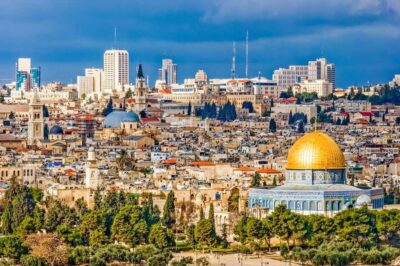
The day opens around Mount Scopus, with views toward Jerusalem and the Temple Mount area. This is a smart first stop because the Old City can feel confusing at street level. From above, you can see the walls, the clustered rooftops, and the position of the major religious center.
The route also takes in the Mount of Olives and views toward the Garden of Gethsemane. These views help you understand the geography behind the stories. The Kidron Valley separates the Old City from the Mount of Olives, and the approach gives you a sense of how the city rises and falls rather than sitting on one flat plain.
Do not expect a long independent visit at each lookout. This is an orientation stop, not a half-day scenic outing. Keep your camera ready, listen closely to the guide, and use the time to mark places you may want to revisit if you have another day in Jerusalem.
Through the Old City walls and Armenian Quarter

The Old City portion is where the tour becomes more physical. You pass through narrow lanes and enter the Armenian Quarter, following a bazaar toward the Western Wall plaza. The market setting adds life to the route, but it also means uneven surfaces, tight passages, and the possibility of people moving in several directions at once.
The Armenian Quarter is one of the less obvious parts of a first visit. Many visitors hurry toward the major Christian and Jewish sites, yet this quarter helps show that Jerusalem is not divided into only two religious stories. The guide’s explanation matters here because the streets themselves do not always announce their importance.
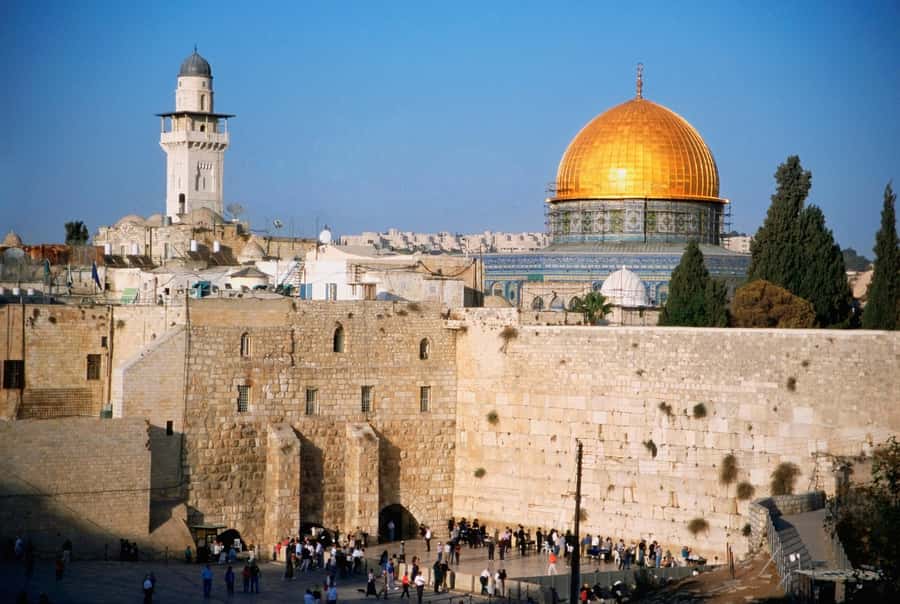
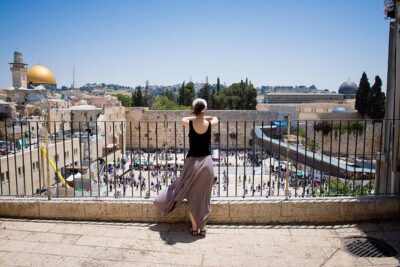
The Western Wall, often called the Wailing Wall, is one of the emotional centers of the day. The plaza is open and imposing after the enclosed lanes. You will have a chance to see the wall and observe Jewish worship, but the amount of personal time depends on the group schedule and the day’s traffic.
Dress modestly from the start. This is not just a general suggestion. Religious sites on the route expect respectful clothing, and dressing properly saves you from feeling awkward or unprepared when the group reaches the wall and other holy places.
Stations of the Cross and the Church of the Holy Sepulchre
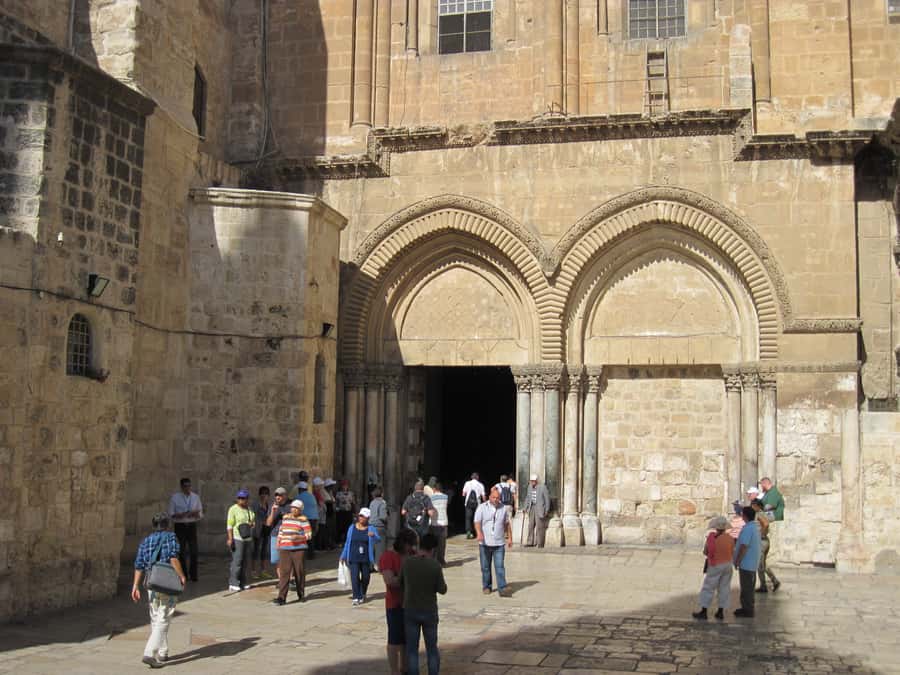
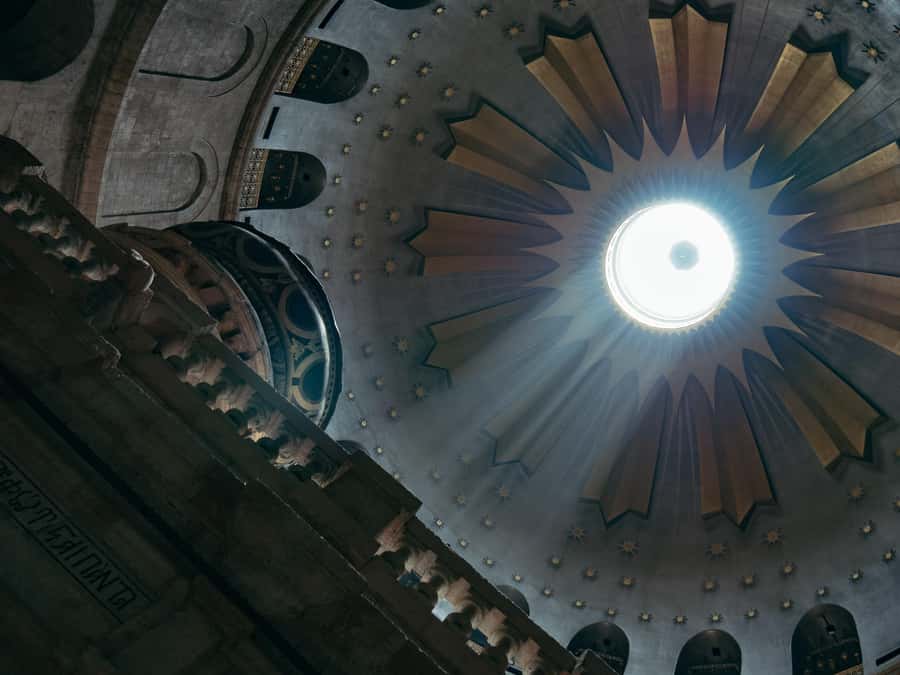
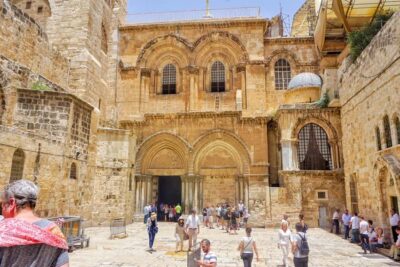
In the Christian Quarter, the route follows parts of the Stations of the Cross before reaching the Church of the Holy Sepulchre. Christian tradition identifies this church as the place of Jesus’ crucifixion, burial, and resurrection, making it one of the most important stops in the entire tour.
The church can feel crowded, layered, and hard to understand without guidance. Several Christian traditions share the building, and the sacred points are not arranged like a tidy museum exhibit. A guide helps you recognize what you are seeing and places the rituals in context.
This is also a stop where expectations matter. You may not receive a long quiet period inside. The tour is designed to explain and show the church within a larger route, not to provide a private devotional visit. If you want extended prayer time, speak with the guide early and understand that the group must keep moving.
I like the way this section connects the lanes, the Stations of the Cross, and the church rather than treating each as an isolated photo stop. You get a sense of how Christian pilgrimage works through the streets of Jerusalem. At the same time, the walking can be tiring, especially if you are trying to keep up while listening and taking pictures.
More Jerusalem tours worth comparing
- From Jerusalem: Masada & Dead Sea Full Day Tour with Pick Up
★ 4.5 · 815 reviews - Masada and the Dead Sea Day Trip from Jerusalem
★ 4.5 · 757 reviews - From Jerusalem: Nazareth and Sea of Galilee Tour
★ 4.5 · 588 reviews - Nazareth and the Sea of Galilee Day Trip from Jerusalem
★ 4.5 · 446 reviews
The Byzantine Cardo and restored Jewish Quarter
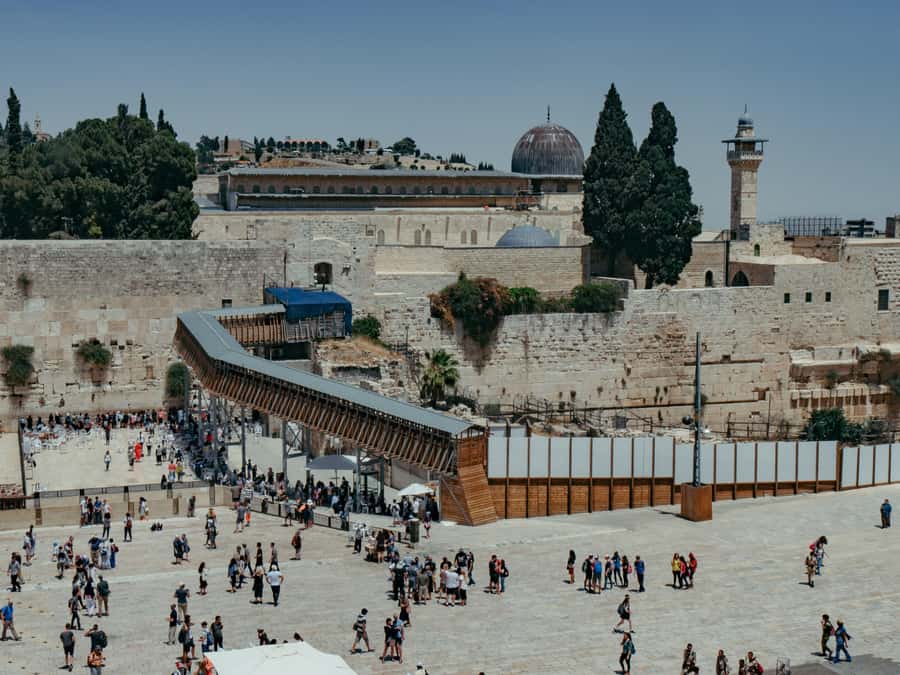
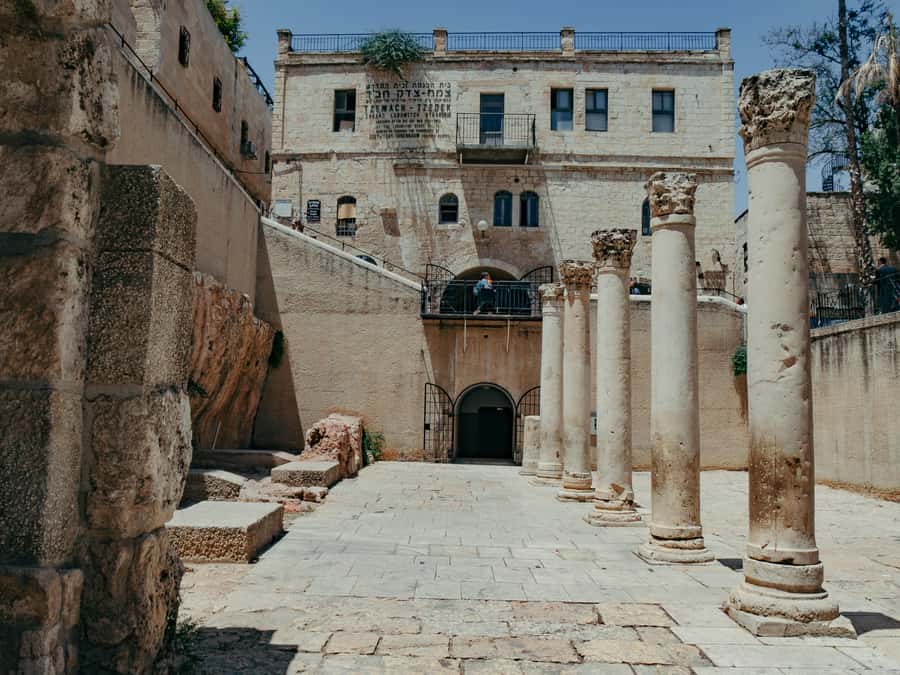
After the Christian Quarter, the tour reaches the Byzantine Cardo, a street dating back about 1,700 years. The Cardo is a useful reminder that Jerusalem has been rebuilt, damaged, and reshaped many times. What you see today is not one untouched ancient city. It is a layered city, with different periods visible in the same walk.
The route continues into the restored Jewish Quarter. This creates a good contrast with the market lanes and Christian sites earlier in the day. You move from one religious quarter to another, seeing how the Old City’s neighborhoods differ in tone, layout, and history.
The word restored is important. The quarter is not simply a preserved time capsule. It has been repaired and rebuilt, and the guide can help explain what belongs to the older city and what reflects later work. Without that context, the Cardo and Jewish Quarter might seem like attractive old streets. With it, they become evidence of Jerusalem’s long cycle of destruction and renewal.
Crossing into Bethlehem
The Bethlehem section begins with a border crossing into Palestinian territory. A Palestinian guide meets the group at a border post, and you may need to change vehicles. This arrangement is normal for the tour, but it is also the part most likely to affect the timetable.
Bring your valid passport. You are required to have it with you on the day, and leaving it at the hotel is not a harmless gamble here. The tour is subject to Palestinian Authority regulations, so procedures can change and the operator cannot control every delay.
You should also know that the Jerusalem and Bethlehem portions may feel like two connected tours rather than one continuous guiding experience. That is not necessarily a weakness. A Palestinian guide brings local perspective to Bethlehem, while the Jerusalem guide handles the earlier portion. It does mean you should pay attention when the handoff takes place and keep track of the meeting instructions.
A change of bus can take time, particularly with a full group. If you have a strict evening reservation in Jerusalem, leave a margin after the advertised ten-hour duration. The listed schedule is a full day, not a promise that you will be back at the exact minute.
Manger Square and the Church of the Nativity
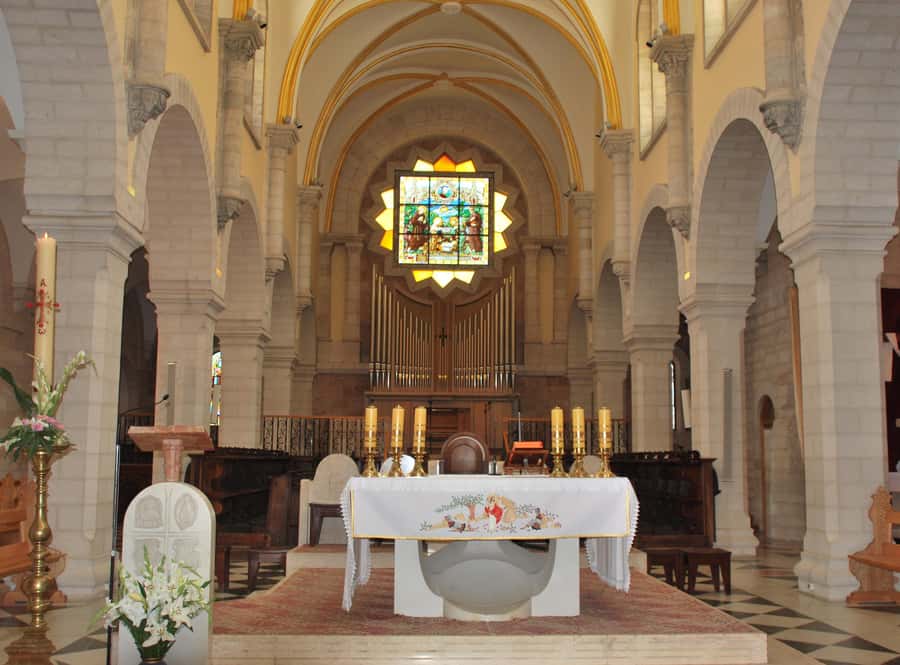
Bethlehem’s central focus is Manger Square and the Church of the Nativity. Christian tradition identifies Bethlehem as the birthplace of Jesus, and the church is built over the area associated with that event. The setting feels different from the Old City, but the same basic challenge remains: the meaning is enormous, while the physical space can be crowded and the visit can be tightly timed.
Inside the Church of the Nativity, you are shown the cave connected with Jesus’ birth. The itinerary specifically warns that going down to the Grotto of the Nativity may not be possible if visitor numbers create long waits. This is one of the most important details to understand before paying. You are visiting the church, but access to the lowest point is not guaranteed.
Manger Square gives you more room to take in the setting. It is also the place associated with the manger after Jesus’ birth. Listen for the difference between biblical tradition, later Christian practice, and the physical structure you are seeing. A good guide keeps those layers clear rather than presenting every detail as a simple, proven fact.
The Bethlehem visit is shorter than many people expect. One person suggested that the section could use another activity, and that is a fair observation. The tour’s purpose is to cover the main religious site, not to provide a full city tour of Bethlehem. If you want more time for local streets, shopping, food, or additional churches, plan a separate visit.
Shepherd’s Fields and the ride back
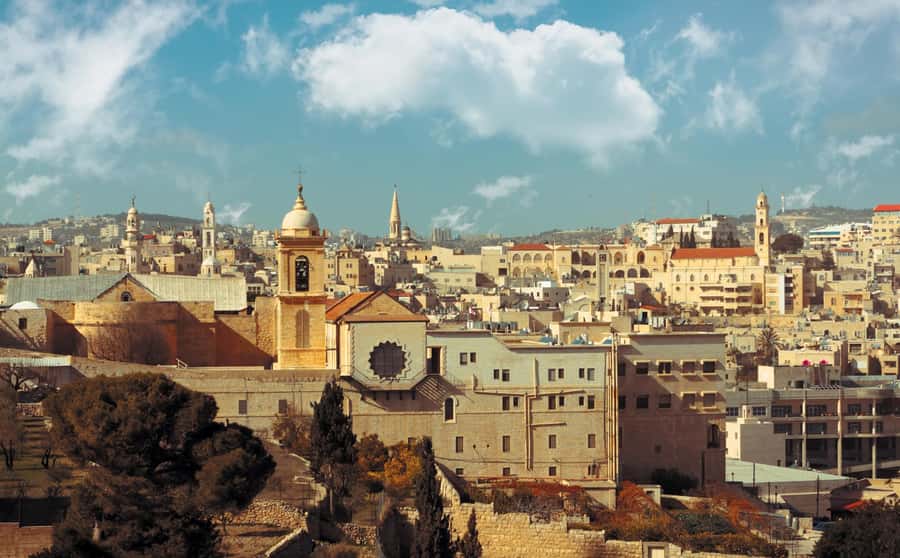
On the return toward Jerusalem, you get broad views of the Shepherd’s Fields. Christian tradition links these fields with the shepherds connected to the Nativity story, so the stop or passing view gives Bethlehem’s religious narrative a wider setting.
This is a pleasant closing note after the close quarters of the church and Old City. It also offers a final chance to ask the guide about places you have seen. You may be tired by this point, so write down questions earlier in the day instead of hoping you will remember them after ten hours on the road.
The coach is air-conditioned, which matters in a long day that combines outdoor viewpoints, walking, and vehicle transfers. Food and drinks are not included. A restaurant stop may be offered during the day, and one guide’s suggested falafel sandwich received a particularly warm mention, but you should not treat a meal stop as part of the listed inclusions. Carry water and budget separately for lunch or snacks.
Price, transport, and the real value
At $106, this tour is not the cheapest way to see Jerusalem and Bethlehem, but the cost covers several items that add up quickly: air-conditioned coach transport, professional guides, entry fees, and hotel pickup and drop-off when available. You are also paying for the practical work of connecting two areas divided by a border procedure.
The value is strongest if you have only one day. Independent transport may cost less in some circumstances, but it would not give you the same built-in route, guide commentary, or arranged transfer between the Jerusalem and Bethlehem portions. You also avoid spending your limited sightseeing time figuring out how to get from one major site to the next.
Pickup is available from centrally located Jerusalem hotels. If you are staying in an Airbnb or elsewhere, the operator sends the nearest pickup point rather than collecting you at every address. Read those instructions carefully and allow time to reach the assigned meeting place. A missed pickup can turn a good-value day into an expensive one, especially if you need an unexpected taxi.
The tour is not suitable for wheelchair users, and children under four cannot join. Even if you are fit, wear shoes suited to a long walking day and modest clothing that works at religious sites. A small bag, water, passport, and light layers are more useful than extra gear.
Guide quality and what it can change
The best part of an organized tour is often the guide, and the feedback here gives a clear picture of what to value. Asaf is praised for responding quickly to the needs of the group. Ayal is described as engaged and strong on practical details. Eyal and Jorge are credited with taking time to explain the sacred sites and waiting patiently for people who fell behind.
That patience matters. Jerusalem is not a place where everyone walks at the same speed. Narrow lanes, photo stops, prayer areas, and crowds can split a group. A guide who notices this can make the day feel orderly rather than rushed.
There is also a warning in the uneven overall score of 4.3 out of 5 from 65 ratings. Most of the supplied feedback is strongly positive, but one serious complaint describes a missed pickup and a Bethlehem cancellation without a replacement. The tour’s border arrangements and pickup rules mean that disruptions are possible. Confirm your pickup instructions, keep the operator’s contact information handy, and avoid booking a nonrefundable evening event too close to the expected return.
Who should book this day trip?
I would recommend this tour to a first-time visitor who wants the major Jerusalem and Bethlehem sites explained in one day. It is especially useful if you are staying in Jerusalem, have limited time, and prefer organized transport over working out the border crossing yourself.
It also suits people who want religious context. The route does not focus only on one faith. You see places important to Judaism and Christianity, while the city’s Islamic identity is part of the guide’s explanation and the views toward the Temple Mount area.
I would hesitate if your main goal is slow photography, long prayer, independent shopping, or a detailed exploration of Bethlehem beyond the Nativity Church. The day is full, the Grotto access is not guaranteed, and the border crossing can trim your time. Families with very young children and anyone using a wheelchair should choose another option.
FAQ
How long does the Jerusalem and Bethlehem tour last?
The tour duration is 10 hours. Since the day includes Jerusalem, Bethlehem, transport, and a border crossing, you should expect a full-day schedule.
What is included in the tour price?
The $106 price includes entry fees, an air-conditioned coach bus, a professional guide, and hotel pickup and drop-off when available from centrally located Jerusalem hotels.
Are food and drinks included?
No. Food and drinks are not included, so bring water and plan to pay separately for meals or snacks.
Which languages are available?
The tour offers live guiding in English, Spanish, French, and German.
Do I need to bring my passport?
Yes. You must bring a valid passport on the day of the tour because the route includes a border crossing into Palestinian territory.
Will I need to change buses?
A vehicle change may be required when entering Palestinian territory. A Palestinian guide meets the group at a border post for the Bethlehem portion.
Can I visit the Grotto of the Nativity?
The tour includes the Church of the Nativity and the cave associated with Jesus’ birth, but going down to the Grotto of the Nativity may not be possible if visitor numbers cause delays.
Is the tour suitable for young children or wheelchair users?
The tour is not suitable for children under four or for wheelchair users. It also involves substantial walking through Old City areas.
Can I cancel the booking?
You can cancel up to 24 hours in advance for a full refund. A reserve-now-and-pay-later option is also available.
Should you book it?
Book this tour if you want a practical, guided introduction to Jerusalem and Bethlehem and accept that the day will move quickly. The strongest reasons to go are the wide opening views, the concentrated Old City route, the Church of the Holy Sepulchre, and the chance to reach Bethlehem without arranging the crossing yourself.
Go with realistic expectations. You may not reach the Nativity grotto, lunch is extra, the streets are demanding, and border rules can alter the schedule. Confirm your pickup point, bring your passport, dress modestly, and keep your evening plans flexible. With those details handled, $106 buys a useful first look at two places that are difficult to reduce to a single day, but too important to miss if your time is short.
Recently listed in Jerusalem
- West Bank Tour from Jerusalem and Tel-Aviv – Bethlehem & Jericho★ 5.0 · 6 reviews
- Tour of Jerusalem & Dead sea private tour★ 5.0 · 4 reviews
- One-Day Tour to Bethlehem and Jericho★ 5.0 · 2 reviews
- jerusalem classic tour★ 5.0 · 3 reviews
- full day tour Jerusalem price per van up to 6 people★ 5.0 · 8 reviews
- kosher Israel wine tour★ 5.0 · 4 reviews
- Private Silk Painting Workshop in Jerusalem – Create a scarf –★ 5.0 · 4 reviews
- Experience Shabbat With Dinner In Jerusalem★ 5.0 · 5 reviews
Bethlehem and Holy Land Tours, compared.
Day Tour to Jerusalem and Bethlehem from Tel Aviv
Read our review →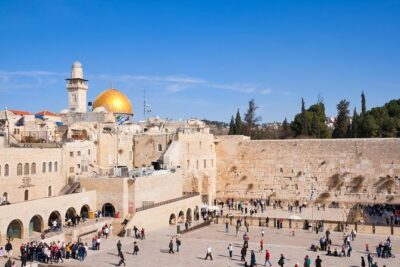
Jerusalem, Dead Sea, and Bethlehem from Tel Aviv
Read our review →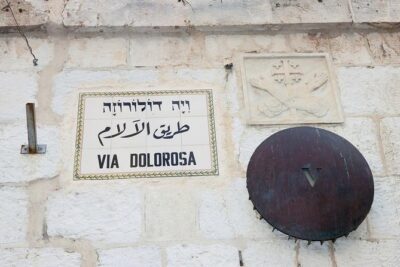
Jerusalem and Bethlehem Day Tour from Jerusalem
Read our review →
Travel to Bethlehem Half Day Guided Tour from Jerusalem & TelAviv
Read our review →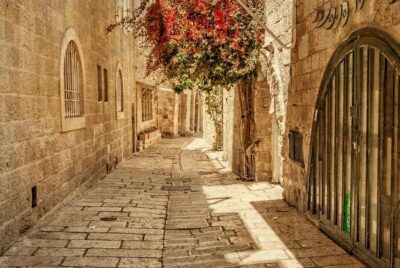
Ashdod Shore Excursion: Jerusalem and Bethlehem – for cruise ship guests only
Read our review →
Travel From Jerusalem To Bethlehem and Dead Sea – Daily Group West Bank Tour
Read our review →Browse the lists this tour appears in