
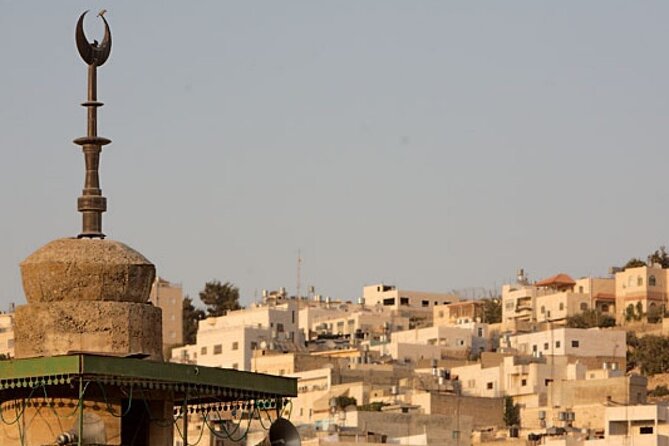
Reviewed · FULL-DAY
Hebron & Ramallah Full-Day Guided Tour from Jerusalem
This is a day for seeing beyond Jerusalem. The tour takes you into Ramallah and Hebron, where politics, faith, and daily life meet in ways you cannot understand from Jerusalem alone. I like the chance to hear Palestinian perspectives directly, and I like that the route includes both Arafat’s Tomb and the Cave of the Patriarchs.
The biggest strengths are the small group of up to 15 people and the chance to explore with a guide such as Mohammed, whose sincere, informative approach helped make the experience personal. The main drawback is the price: $230 is a serious outlay, especially since lunch and the 10 NIS admission to Arafat’s Tomb are extra.
This is not a light sightseeing loop. You will pass checkpoints, the Separation Wall, settlements, restricted roads, and communities shaped by long-running political tensions. Go with an open mind, dress conservatively, and expect a full day that may challenge your assumptions as much as it fills your camera.
In This Review
- Key points to know before booking
- Why Ramallah makes a strong first stop
- The road through Ma’ale Adumim and Bethany
- Hebron and the Cave of the Patriarchs
- What the $230 price really buys you
- The political setting you will see from the road
- Timing, meeting point, and practical planning
- Who will get the most from this day
- Should you book Hebron and Ramallah?
- FAQ
- How long does the tour last?
- Where does the tour begin?
- What time does pickup begin?
- Where does the tour end?
- Is lunch included?
- Is admission to Arafat’s Tomb included?
- Do I need a passport?
- What should I wear in Hebron?
- How many people can join the tour?
Key points to know before booking
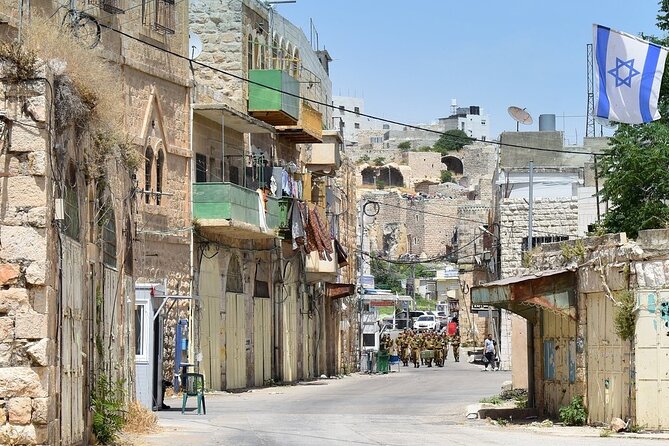
- Ramallah gives the day a human scale: You walk through the city, visit Arafat’s Tomb, and may meet local students who can speak with the group.
- The route crosses sharply different zones: You pass through Pisgat Ze’ev, Kufr Akab, Ma’ale Adumim, Bethany, Wadi al-Na’ar, and the southern West Bank.
- Hebron combines sacred sites and hard realities: The Ibrahimi Mosque, also called the Cave of the Patriarchs, sits close to markets, settlements, farms, and areas affected by travel restrictions.
- Mohammed has been praised for sincere guiding: He helped arrange conversations with students in Ramallah, adding direct local voices to the day.
- Conservative dress is required: Wear trousers, a high-necked shirt, and sleeves over the shoulders. In hot weather, choose light, loose clothing.
- The day runs about eight hours: Pickup is at 8:30 a.m. from the YMCA Three Arches Hotel, with return to the same meeting point.
Why Ramallah makes a strong first stop
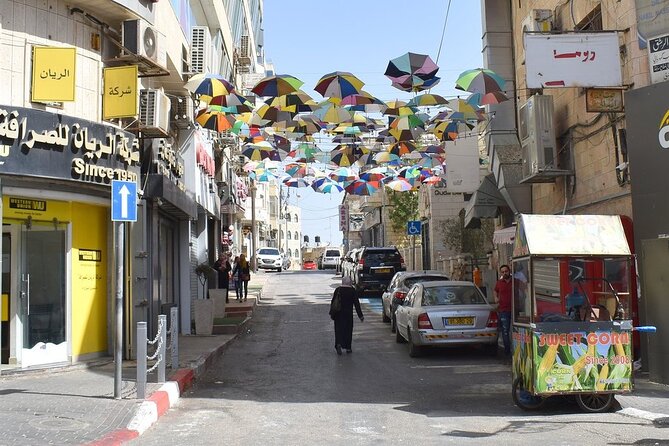
The day begins in Jerusalem at the YMCA Three Arches Hotel on King David Street. From there, your air-conditioned vehicle heads north through Pisgat Ze’ev and toward the checkpoint leading into Ramallah. The first part of the journey is already part of the lesson: Kufr Akab is divided from Jerusalem by the Separation Wall, and the route shows how nearby communities can be separated by barriers and travel rules.
Ramallah is the practical center of Palestinian public life in the West Bank. It is administered by the Palestinian Authority and functions as the de facto Palestinian capital, though the political status of the city remains part of the wider Israeli-Palestinian dispute. A good guide will help you understand that difference without turning the morning into a lecture.
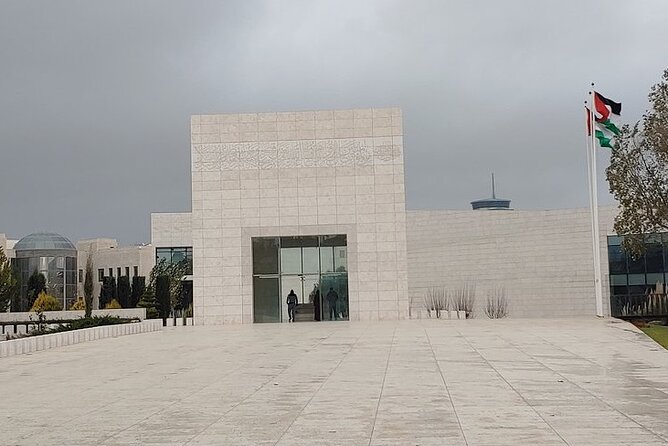
The visit to Arafat’s Tomb is a clear starting point. The site is tied to Yasser Arafat, the former Palestinian leader, and offers a direct way to discuss Palestinian national identity and modern politics. Admission costs 10 NIS and is not included in the tour price, so carry a little local currency.
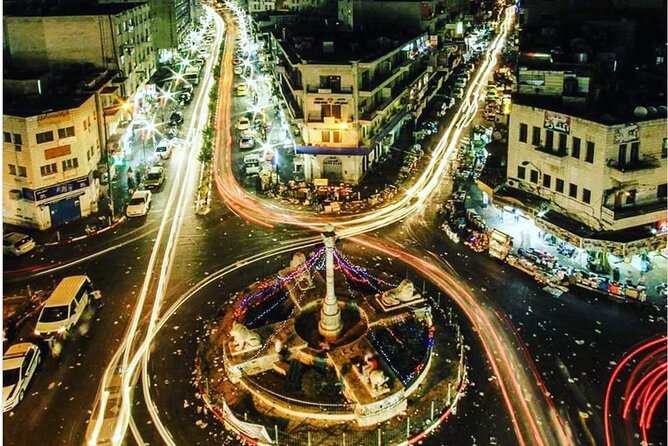
You then walk through Ramallah’s streets for roughly two hours. That time matters. You are not simply stepping off a bus for a photograph, then rushing away. The city walk gives you a chance to notice ordinary movement, shops, streets, and public life while your guide explains the setting.
Mohammed has been praised for his sincere style and for arranging a conversation with students in Ramallah. That kind of contact can be one of the day’s most useful moments, because it gives you a chance to hear young Palestinian voices rather than receiving only a prepared explanation from behind a microphone.
Still, keep your expectations sensible. The schedule may allow for conversation, but it cannot promise a particular meeting every day. The most dependable part is the guided walk and the visit to Arafat’s Tomb.
More Jerusalem tours worth comparing
- From Jerusalem: Masada & Dead Sea Full Day Tour with Pick Up
★ 4.5 · 815 reviews - Masada and the Dead Sea Day Trip from Jerusalem
★ 4.5 · 757 reviews - From Jerusalem: Nazareth and Sea of Galilee Tour
★ 4.5 · 588 reviews
The road through Ma’ale Adumim and Bethany
After Ramallah, the route turns toward the Judean Desert. You pass Ma’ale Adumim, an Israeli settlement, and Bethany, associated with the Tomb of Lazarus. This part of the tour is less about entering a single major attraction and more about understanding how roads, settlements, Palestinian towns, and administrative boundaries sit beside one another.
For much of the journey, the vehicle uses a highway shared by Israelis and Palestinians. Later, you travel through Wadi al-Na’ar on roads restricted to Palestinians and tourists. The changing roads help make travel policy visible. You are not only hearing about access rules, you are moving through a route shaped by them.
This section lasts about two hours, so settle in and watch the views. The Judean Desert can feel stark and open after the streets of Ramallah. Your guide uses the drive to discuss settlements, checkpoints, and the effect of the Separation Barrier on movement between Palestinian communities and Jerusalem.
The stop at Bethany is listed as part of the route rather than as a long standalone visit. If you are hoping for an extended look at the Tomb of Lazarus, ask the guide how much time is available that day. The schedule places greater weight on the road and the political setting than on a full religious-site visit.
I find this middle section useful because it connects the two city visits. Ramallah shows you Palestinian urban life. Hebron brings you into a city where religious importance, settlement activity, market life, and restrictions are especially close together. The desert road explains how you get from one setting to the other.
Hebron and the Cave of the Patriarchs
The final major part of the day takes you into the southern West Bank and toward Hebron. Along the way, you see more Israeli settlements, Palestinian farms, and villages. The guide discusses home demolitions and travel restrictions affecting Palestinians in the area.
This is difficult subject matter, and the tour should not be treated as entertainment. I would book it only if you are ready to listen carefully and accept that the route presents a Palestinian perspective on a disputed region. The experience can be valuable precisely because it asks you to look at daily movement, housing, and access as political issues rather than abstract headlines.
In Hebron, you visit the Ibrahimi Mosque, also known as the Cave of the Patriarchs. This is one of the day’s most important religious and historical sites. It is sacred to Muslims and Jews, and its setting reflects the wider tension that shapes Hebron.
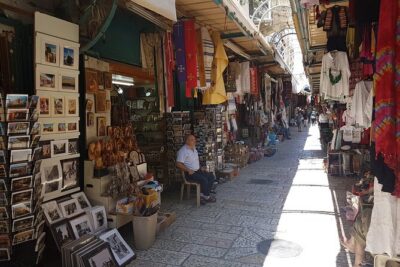
The tour then goes to the city market. You walk through the market with time for shopping, which gives the afternoon a more ordinary rhythm after the serious discussions on the road. You can browse and buy something, but the purpose is also to see how commerce continues in a city marked by restrictions and division.
Expect walking and some time on your feet. The operator recommends a moderate fitness level, and the combination of city streets, religious sites, and market lanes makes comfortable shoes a smart choice. There is no stated promise of a long rest break, so do not arrive expecting a relaxed coach excursion.
Hebron is also a religious city with conservative social customs. The dress rule is strict: trousers are best for men and women, shirts should reach the neck and cover the shoulders, and exposed skin should generally be limited to the face, lower arms, and hands. In hot weather, light, loose clothing is the practical answer.
What the $230 price really buys you
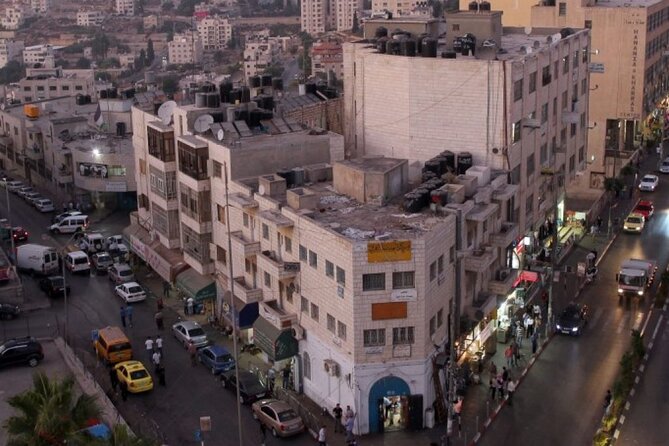
At $230 per person, this tour is not cheap. The price includes an air-conditioned vehicle and a full day of guided transport from Jerusalem and back. It also gives you access to a route that can be difficult to organize independently because it crosses checkpoints, restricted roads, and areas with different administrative arrangements.
The value depends on what you want from a day out. If you want a simple sightseeing trip with famous monuments, the cost may feel high. If you want guided context in Ramallah and Hebron, help navigating the route, and a small group rather than a large coach, the price is easier to justify.
The group can have up to 15 people. That is not a private tour, but it is small enough for you to hear the guide and ask questions without competing with dozens of other people. A guide like Mohammed can also make a difference by creating room for direct conversation, as happened when students joined the group in Ramallah.
Lunch is not included. Plan for that when comparing the total cost with other day tours. The 10 NIS admission to Arafat’s Tomb is also extra, though that fee is modest.
The air-conditioned vehicle matters during a long day that includes desert roads and walking in two cities. You will spend considerable time moving between stops, and a comfortable vehicle is more than a minor perk here.
A different day out, same base:
- Nazareth and the Sea of Galilee Day Trip from Jerusalem
★ 4.5 · 446 reviews - From Jerusalem: Masada&Dead Sea Tour INCLUDING ENTRANCE FEES
★ 4.3 · 392 reviews - Jerusalem: Guided Walking Tour of the Old City
★ 4.7 · 386 reviews - Full Day City Tour of Jerusalem
★ 4.1 · 367 reviews
The political setting you will see from the road
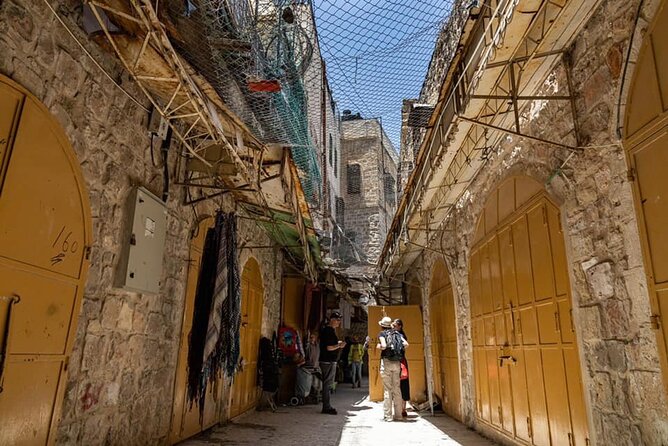
This tour makes geography part of the story. You pass through Jerusalem’s northern edge, enter the Ramallah area through a checkpoint, see the Separation Wall at Kufr Akab, and travel through zones affected by settlement growth and movement restrictions.
The description of the route includes Israeli-only roads, roads restricted to Palestinians and tourists, and highways shared by Israelis and Palestinians. These details are not side notes. They explain why a short distance on the map can become a long trip in practice.
You will also see the human results of those arrangements: Palestinian farms and villages, Israeli settlements, barriers, and roads that do not serve every community in the same way. The guide discusses home demolitions and restrictions placed on Palestinians living in the Hebron area.
I appreciate that the experience places those issues beside real city visits. Ramallah is not presented only as a political symbol, and Hebron is not reduced to a conflict zone. You see streets, markets, religious buildings, and people carrying on with daily life.
At the same time, this is a guided perspective, not a complete account of every side of the conflict. If you want a politically neutral overview, ask questions and listen carefully. The tour is most useful when you treat it as an opportunity to understand Palestinian experiences, not as the final word on a complicated subject.
Timing, meeting point, and practical planning
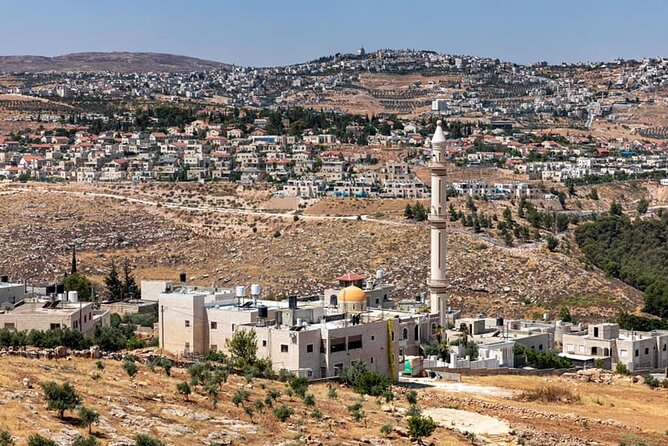
The tour starts at 8:30 a.m. from the YMCA Three Arches Hotel at King David Street 26 in Jerusalem. It lasts about eight hours and finishes back at the same meeting point.
That start time gives you a full day, but the schedule is tight enough that delays at checkpoints or on the roads may affect how long you spend at individual stops. The two-hour blocks for Ramallah, the desert route, and Hebron provide a useful outline, but border and checkpoint conditions can change.
Bring your current valid passport. It is required on the day of travel. Keep it accessible rather than buried in luggage, since the route crosses areas where identification may be needed.
Wear sturdy, comfortable shoes and conservative clothing from the start. It is easier to dress appropriately in Jerusalem than to discover at Hebron that shorts or a sleeveless shirt are not suitable.
Near public transportation, the meeting point is convenient within Jerusalem. The tour also allows service animals. You should have a moderate level of fitness, since the day includes walking through Ramallah and the Hebron market as well as entering religious sites.
Confirmation is provided at booking, and the experience requires a minimum number of participants. If that minimum is not reached, the operator offers another date or experience, or a full refund. You can cancel for a full refund up to 24 hours before the start time. After that, refunds are not provided and changes are not accepted.
Who will get the most from this day
I would recommend this tour to you if you want to understand how Palestinian cities function under political and travel restrictions. It suits people who enjoy guided context, direct conversation, religious history, and walking through working cities rather than ticking off polished attractions.
It is also a good fit if you have already seen Jerusalem’s major sights and want to add a different perspective to your time in the region. The contrast between Ramallah, the desert route, and Hebron gives the day a clear arc.
You may not enjoy it if you want a carefree day with lots of free time. The subject matter is serious, the route is long, and checkpoint delays can make the timing feel less predictable. The experience also does not include lunch, so you will need to manage your energy during the day.
Families with older children may find the historical and political material worthwhile, but the moderate fitness requirement and conservative dress rules should be considered. The tour is especially suited to adults who are willing to listen, ask respectful questions, and accept that some parts may feel uncomfortable.
Should you book Hebron and Ramallah?
Book it if your main goal is to understand Palestinian life and the political geography beyond Jerusalem. You will see Arafat’s Tomb, walk through Ramallah, pass through the Judean Desert and Ma’ale Adumim, visit the Cave of the Patriarchs, and shop in Hebron’s market. The route offers far more context than a quick photo stop.
Skip it if you want a low-cost, relaxed excursion or if you are uncomfortable with a tour centered on conflict, movement restrictions, and the Palestinian experience. At $230, the value comes from the guide, transport, access, and interpretation, not from a long list of included attractions.
For the right reader, this is a serious and worthwhile day. Dress properly, carry your passport, bring money for the small admission fee and lunch, and arrive ready to hear more than one easy answer.
FAQ
How long does the tour last?
The tour lasts approximately eight hours.
Where does the tour begin?
It begins at the YMCA Three Arches Hotel, King David Street 26, Jerusalem.
What time does pickup begin?
The scheduled start time is 8:30 a.m.
Where does the tour end?
The tour ends back at the meeting point at the YMCA Three Arches Hotel.
Is lunch included?
No. Lunch is not included in the tour price.
Is admission to Arafat’s Tomb included?
No. Admission costs 10 NIS and is paid separately.
Do I need a passport?
Yes. A current valid passport is required on the day of the tour.
What should I wear in Hebron?
Wear trousers and a shirt closed to the neck and covering the shoulders. The requested standard is that only the face, lower arms, and hands should generally be showing. Light, loose clothing is recommended in hot weather.
How many people can join the tour?
The tour has a maximum group size of 15 people.
Recently listed in Jerusalem
- West Bank Tour from Jerusalem and Tel-Aviv – Bethlehem & Jericho★ 5.0 · 6 reviews
- Tour of Jerusalem & Dead sea private tour★ 5.0 · 4 reviews
- One-Day Tour to Bethlehem and Jericho★ 5.0 · 2 reviews
- full day tour Jerusalem price per van up to 6 people★ 5.0 · 8 reviews
- kosher Israel wine tour★ 5.0 · 4 reviews
- jerusalem classic tour★ 5.0 · 3 reviews
- Private Silk Painting Workshop in Jerusalem – Create a scarf –★ 5.0 · 4 reviews
- Experience Shabbat With Dinner In Jerusalem★ 5.0 · 5 reviews
Full-Day, compared.
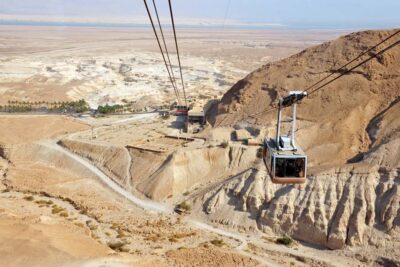
Masada & Dead Sea Full Day Tour with Pick Up
Read our review →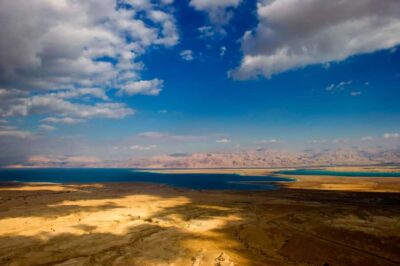
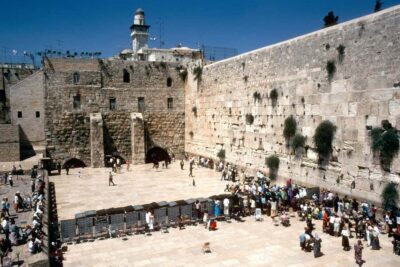
Jerusalem Full-Day Tour from Tel Aviv INCLUDING ENTRANCE FEES
Read our review →
Browse the lists this tour appears in