
Reviewed · AIRPORT TRANSFERS
From TLV- Jerusalem Old & New tour INCL. ENTRANCE FEES & P/U
Jerusalem packs centuries into one day. This 10-hour outing from Tel Aviv gives you a broad first look at the city, with transport, entrance fees, and an English-speaking guide included. I especially like the Mount of Olives viewpoint and the walk through the Armenian and Jewish Quarters, where the city feels layered and intensely old. The main drawback is time: the schedule covers a lot, so parts of the Old City can feel hurried.
I also like that the day begins with peaceful Ein Karem before moving into Jerusalem’s major religious sites. The guide adds useful context at places such as the Cardo, the Kotel, and the Church of the Holy Sepulchre. Still, you should plan for a brisk pace, limited free time, and a lunch stop that may not offer much choice.
In This Review
- Key points at a glance
- Why this tour works as a first day in Jerusalem
- Ein Karem starts the day on a quieter note
- Mount of Olives puts Jerusalem in view
- Mount Zion links several important sites
- The Armenian and Jewish Quarters reveal different sides of the Old City
- The Cardo shows Jerusalem’s Roman street plan
- The Kotel requires respect and attention
- Via Dolorosa leads into the Christian Quarter
- The Church of the Holy Sepulchre is the final major stop
- A guide adds value, but the quality depends on the pace
- Is $93 a fair price?
- Who should book this Jerusalem day trip?
- Should you book it?
- FAQ
- How long is the tour?
- Where does the tour depart from?
- What language is the guided tour in?
- Are entrance fees included?
- Is transportation included?
- Are meals included?
- What should I wear to the holy sites?
Key points at a glance
- A full Jerusalem circuit in 10 hours: You see Ein Karem, the Mount of Olives, Mount Zion, and several Old City quarters in one day.
- The Mount of Olives gives the best city orientation: The panoramic stop helps you understand Jerusalem’s position before you enter its narrow streets.
- The Old City walk is the heart of the tour: The Armenian Quarter, Jewish Quarter, Cardo, Kotel, Via Dolorosa, and Church of the Holy Sepulchre all feature.
- A guide makes the sacred sites more meaningful: You receive explanations instead of simply moving from one monument to the next.
- The pace is the key tradeoff: You gain coverage, but you will not have much time to linger, shop, eat slowly, or explore side streets.
- The $93 price covers the essentials: Transport, a guide, and entrance fees are included, but meals are extra.
Why this tour works as a first day in Jerusalem
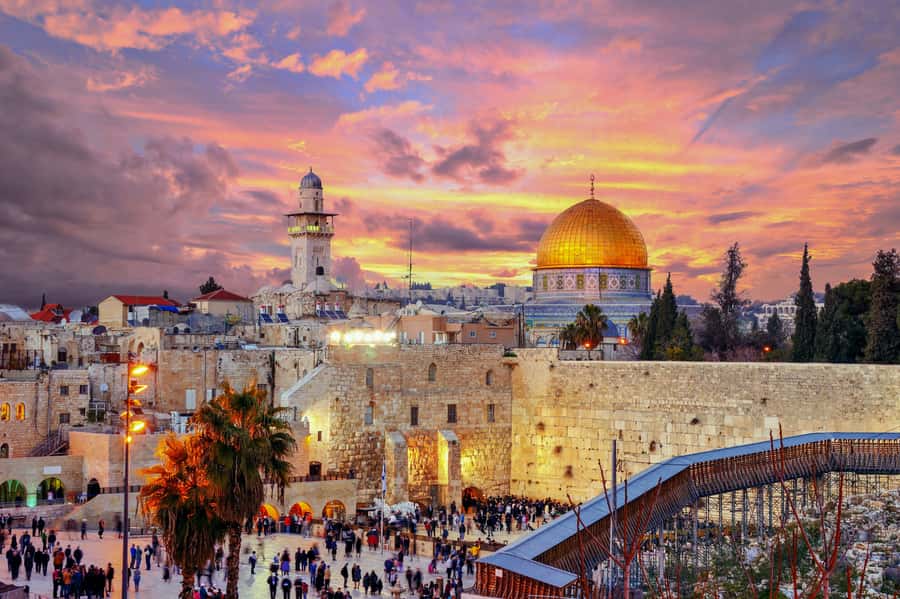
If you are staying in Tel Aviv and have only one day for Jerusalem, this tour solves a real problem. You do not need to arrange intercity transport, map out a complicated walking route, or work out which sites require admission. The day gathers the city’s main viewpoints and religious landmarks into one organized trip.
That convenience matters because Jerusalem is not a city you understand from a single postcard stop. The tour moves from a quiet hillside neighborhood to a wide city view, then into sites important to Jewish, Christian, and broader regional history. You get several different impressions of Jerusalem before returning to Tel Aviv.
The tradeoff is clear. This is a highlights tour, not a slow study of the Old City. You will see the key places, but you should not expect long museum visits, relaxed shopping, or plenty of time to sit with each site.
The overall rating of 4.2 out of 5 from 65 ratings suggests a generally positive experience, with the strongest praise focused on the guide and the quality of the places visited. The lower scores point to the same concern I would flag: the route tries to fit a great deal into one day.
More Airport Transfers in Tel Aviv
- Masada Dead Sea: Small Group Tour from Tlv INCL. ENTRY FEES
★ 4.0 · 89 reviews - Tel Aviv Airport (TLV) to Tel Aviv Hotels – Private Transfer
★ 4.0 · 59 reviews - Jerusalem from Tel Aviv Ben Gurion Airport Private Arrival Transfer
★ 4.0 · 40 reviews
Ein Karem starts the day on a quieter note
The first stop is Ein Karem, a picturesque neighborhood known for stone lanes, springs, and its hillside setting. This is a gentler beginning than starting immediately in the crowded center of Jerusalem.
Ein Karem gives you a sense of the city’s older village character. The stone buildings and narrow lanes create a calm contrast with the packed religious quarters later in the day. It is a short visit, so think of it as an introduction rather than a full neighborhood tour.
I like this opening because it keeps the morning from feeling like a checklist from the first minute. You have a chance to see a softer side of Jerusalem before the schedule becomes more focused on major landmarks.
Do not expect extensive free time here. The tour has a long route ahead, and the visit is designed to show you the setting rather than let you explore every lane.
Mount of Olives puts Jerusalem in view
The stop at the Mount of Olives is one of the day’s most useful moments. From above, you can take in a broad view over Jerusalem and get your bearings before walking through the Old City.
This is more than a photo stop. The city is much easier to understand when you can first see it as a whole. Afterward, the walls, quarters, and religious sites feel less like disconnected locations. The view also gives you a pause from the tight lanes that dominate the later walking portion.
Bring patience if the stop is busy, since the viewpoint is one of the tour’s most popular photo opportunities. The supplied details do not specify how long you stay, so treat it as a planned stop rather than an open-ended break.
For me, this is one of the tour’s strongest features. A guide can point out the city from above, then connect that view to the places you visit on foot.
Mount Zion links several important sites
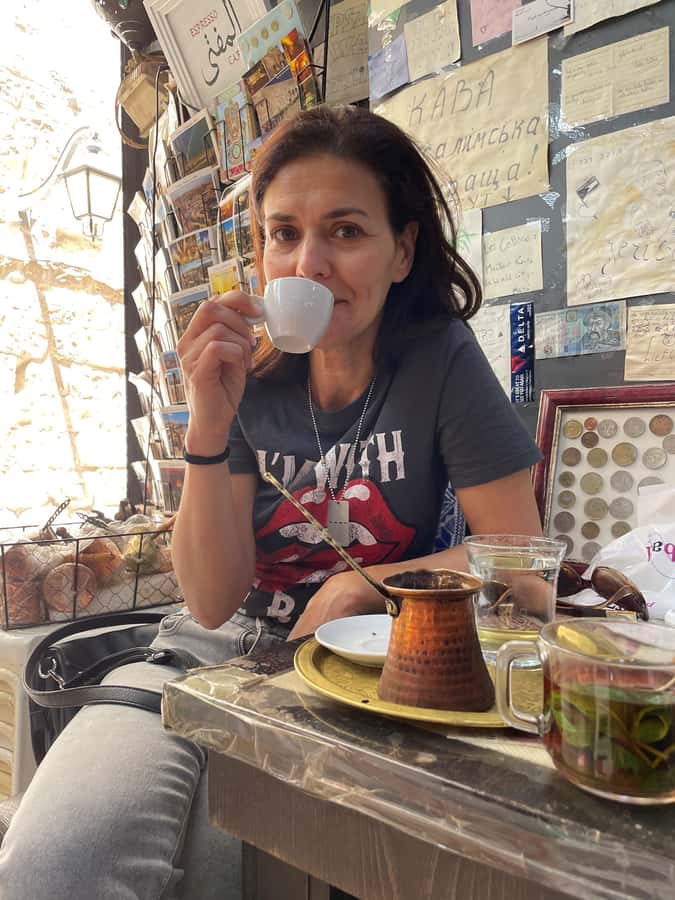
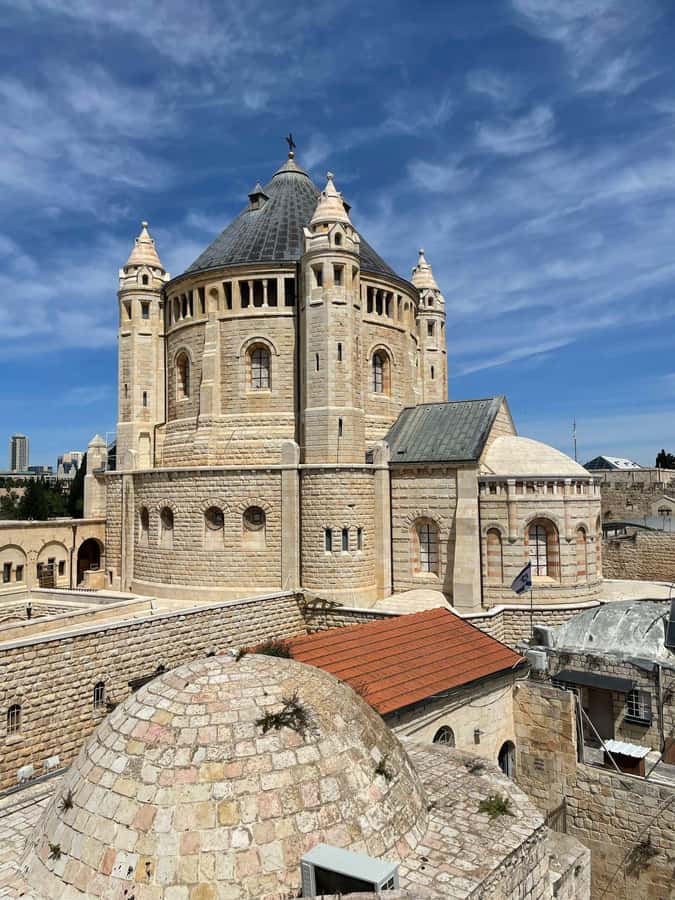
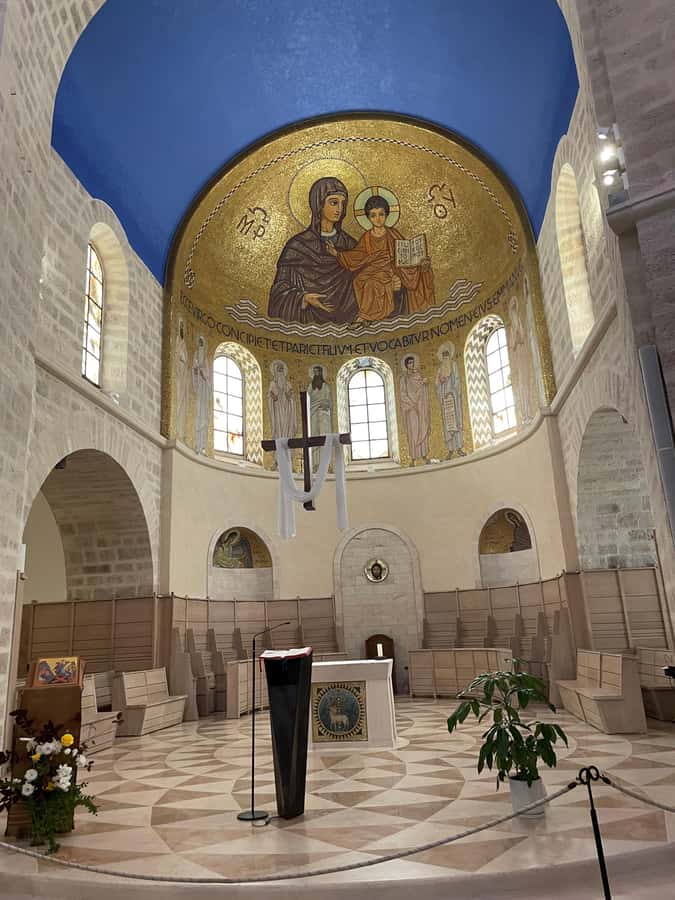
Next comes Mount Zion, where the route includes Kings David’s Tomb, the room of the Last Supper, and the Dormition Abbey. These sites are close enough to visit in one section of the day, but each carries a different religious and architectural meaning.
Kings David’s Tomb is an important Jewish site. The room of the Last Supper connects to Christian tradition, while the Dormition Abbey offers a more imposing church setting. Seeing them together helps show why Jerusalem matters to several faiths at once.
This section is best approached with a guide. Without context, you might simply see a tomb, a room, and an abbey. With explanations, the stops become part of the wider story of how different traditions remember the same city.
As with the rest of the tour, the schedule may not allow a long, quiet visit at each location. If one site matters greatly to you, tell the guide early, though the route may not be flexible enough for an extended stop.
More airport runs in Tel Aviv:
- Private Arrival Transfer: From Ben Gurion Airport to Tel Aviv City Center
★ 3.5 · 34 reviews - Tel Aviv Airport (TLV) to Jerusalem Hotels – Private Transfer
★ 4.0 · 19 reviews - Private Departure Transfer: From Tel Aviv City Center to Ben Gurion Airport
★ 4.0 · 18 reviews - Tel Aviv to Ben Gurion Airport (TLV) Private Departure Transfers
★ 4.5 · 12 reviews
The Armenian and Jewish Quarters reveal different sides of the Old City
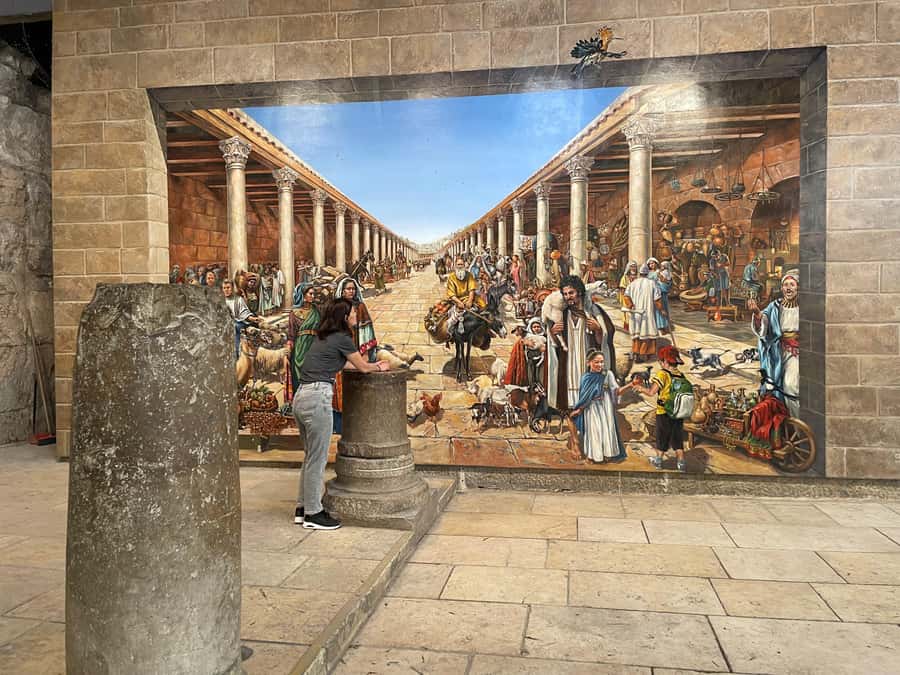
The Old City is the main event, and the tour begins with the Armenian and Jewish Quarters. These are not interchangeable streets with different signs. Each quarter gives you a different sense of Jerusalem’s communities, worship, and daily life.
The Armenian Quarter is a particularly useful inclusion because many quick tours give it little attention. The route allows you to see it, though one day does not leave much room for side streets or a long look at its details. If you have a special interest in the Armenian presence in Jerusalem, you may want a separate visit later.
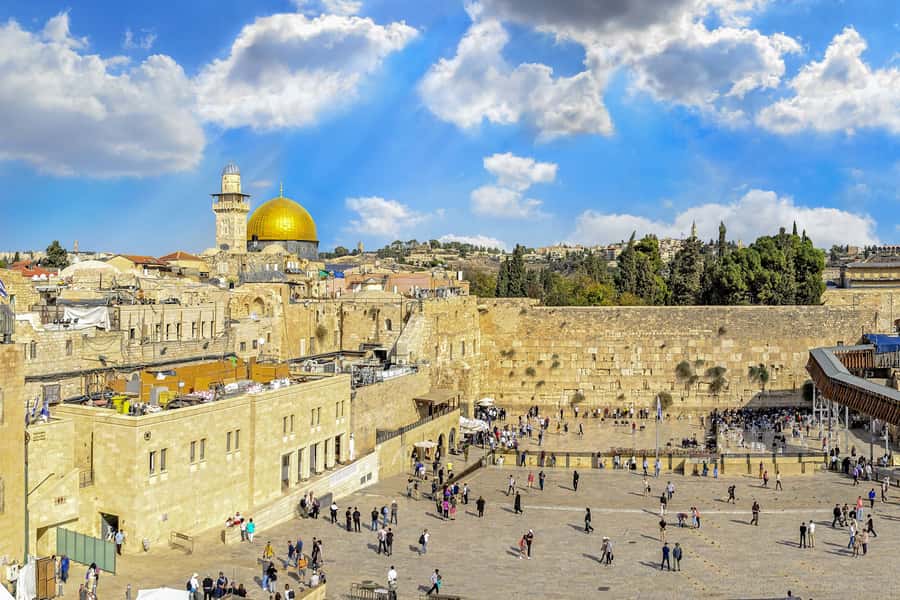
The Jewish Quarter leads toward the Kotel, also known as the Jewish Wailing Wall. This is one of the most emotionally powerful locations on the route, but it is also a place where modest behavior and appropriate clothing matter.
You should expect some walking on stone streets and a steady pace between locations. Wear comfortable shoes, and avoid clothing that could prevent entry to holy sites. No shorts or sleeveless shirts are allowed for these visits, and a head covering is required.
The practical lesson is simple: dress for the whole day, not just the weather in Tel Aviv. A light, respectful outfit is easier than trying to improvise at the entrance to a sacred site.
The Cardo shows Jerusalem’s Roman street plan
The recently restored Cardo is an ancient Roman road in the Old City. Its inclusion adds an important layer to the tour because Jerusalem is not only about religious shrines. It is also a city shaped by Roman planning and later rebuilding.
The Cardo helps you picture how people moved through the ancient city. Its restored sections make the past easier to grasp than a bare archaeological foundation would. You do not need to be an archaeology specialist to appreciate the long, straight street and the way it differs from the surrounding lanes.
This is also a good place to listen closely to the guide. The value is not only in looking at the road, but in understanding how it fits into the city’s changing layout.
Time remains the issue. The route includes many major stops, so you may have only enough time for an explanation and a walk through the main section. That is fine for a first visit, but not enough for a careful archaeological study.
The Kotel requires respect and attention
The visit to the Kotel brings the tour into one of Jerusalem’s most significant Jewish spaces. You can take in the scale of the wall, observe the prayer area, and see how the site functions as a living place of worship rather than only a historic monument.
Your guide can help you understand what you are seeing and how to behave respectfully. Follow instructions, keep your clothing appropriate, and remember that people come here to pray. This is not simply another stop for a quick photograph.
The Kotel may be one of the moments when the pace feels less important than the setting. Even a short visit can leave a strong impression, though the tour’s schedule may not give you much time to stay on your own.
Via Dolorosa leads into the Christian Quarter
The route then moves into the Christian Quarter and along the Via Dolorosa. This is one of the most recognizable walks in Jerusalem, but it is also one of the hardest places to experience slowly on a packed day.
The Via Dolorosa runs through busy, narrow streets, so the setting can feel intense. You are walking through an active part of the Old City, not a quiet museum corridor. Shops, pilgrims, and the flow of daily life all form part of the experience.
A guide is especially useful here because the route can be confusing. Without help, it is easy to lose track of the sequence and miss the meaning behind the stops. The guide turns a crowded walk into a more understandable visit.
The main warning is pace. One rating specifically described the Old City portion as feeling like a run, with too little time to stop for food or spend extra minutes in the Armenian Quarter. If you want a slow pilgrimage walk, this tour may feel too compressed.
The Church of the Holy Sepulchre is the final major stop
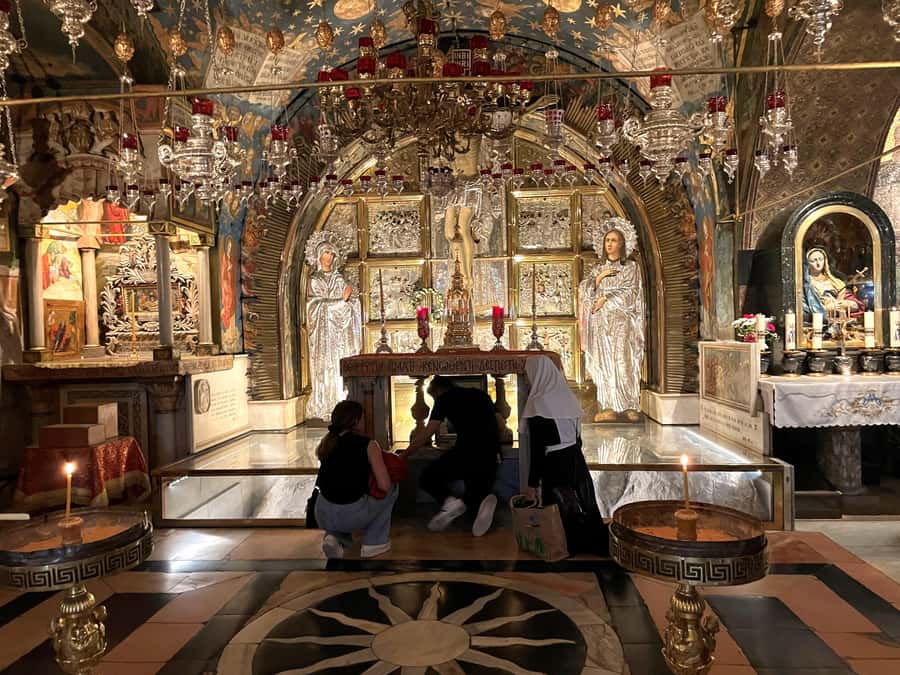
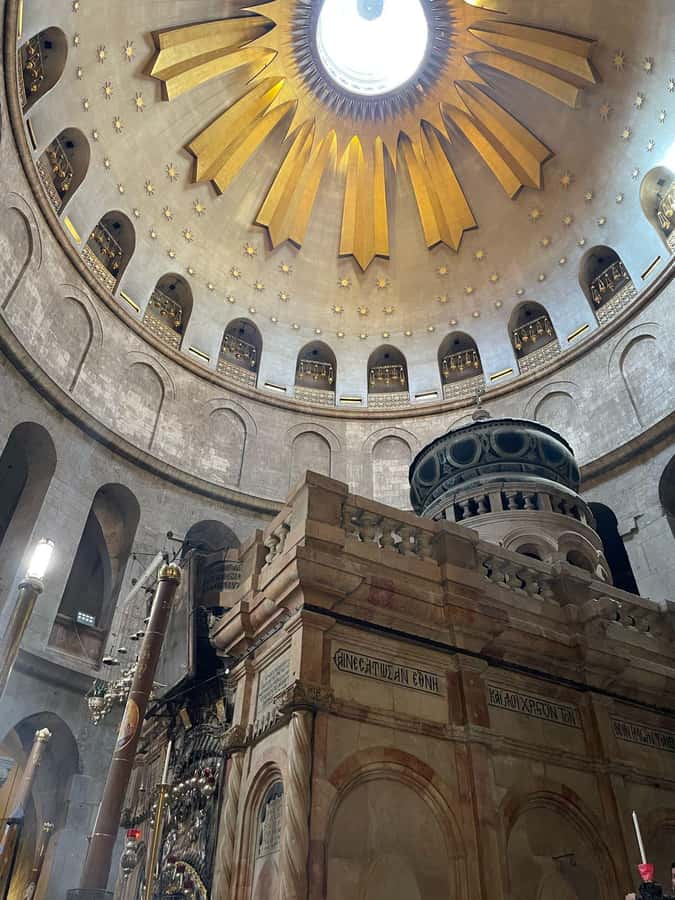
The Church of the Holy Sepulchre is among the most important Christian sites in the world, and it is the emotional center of the Christian Quarter portion. The church brings together several traditions and places connected to the final events of Jesus’ life.
For a first visit, having a guide is valuable. The building can feel confusing, especially when you are trying to understand which spaces matter to different Christian communities. The guide gives the visit a clear structure and helps you focus on the major features.
Expect a serious, active religious setting. This is a place for respect, patience, and modest dress. Crowds may affect how long you can pause at particular points, and the tour cannot control how quickly the church area moves on a given day.
The church is also a good example of the tour’s basic promise. You see a site that would be difficult to understand fully on your own, but you may have to accept a short visit rather than a long, personal one.
A guide adds value, but the quality depends on the pace
The guide is central to this experience. One strong account praised the guide for pointing out small details and bringing a lot of information to the day. That is exactly where a guided tour earns its cost.
Jerusalem rewards explanation. A wall, roadway, tomb, or church can look impressive, but the connections between them are what make the city meaningful. A good guide helps you see the religious, cultural, and architectural layers without forcing you to research each stop in advance.
The concern is not a lack of information. It is the speed at which that information may arrive. Several specific comments describe the guide as moving too quickly and offering little flexibility for food, shopping, or extra time in the Armenian Quarter.
You should join this tour ready to follow the group. If you want a private guide who can change the route around your interests, a small custom tour would be a better fit. If you want an efficient introduction with expert commentary, this format makes more sense.
Is $93 a fair price?
At $93 per person, the tour includes transportation from Tel Aviv, a guide, and entrance fees. Meals are not included.
That price is reasonable for someone who values convenience. You are paying for a full day of transport between Tel Aviv and Jerusalem, a planned route through several parts of the city, and guidance at places where context matters. Avoiding the work of arranging each segment has real value, especially for a first visit.
The value is weaker if you mainly want free time. You may prefer to arrange your own visit if your priorities are slow meals, shopping, photography, or a long stay in the Old City. The tour pays off most when you want to see many major sites in one day.
Food is the main practical issue. You should not assume a flexible lunch break. One account described being taken to a restaurant and asked to order rather than being offered several choices, while another described having to push for even a short food stop. Bring a small snack if allowed and do not wait until you are very hungry.
There was also a complaint about a costly shop stop near a church. You are not required to buy anything, so compare prices and keep your spending choices separate from the tour itself.
Who should book this Jerusalem day trip?
I would choose this tour if you are staying in Tel Aviv, have one day available, and want to see Jerusalem’s main religious and historic locations without managing the transport yourself.
It suits first-time visitors who prefer structure, especially those who want a guide to explain the significance of the Cardo, Kotel, Via Dolorosa, and Church of the Holy Sepulchre. It also works well for people who value broad coverage over long visits.
I would hesitate if you already know Jerusalem well or have a strong interest in one quarter. The schedule is not built for a slow Armenian Quarter walk, an extended meal, or a detailed museum visit. You may leave wishing you had more time.
The tour can also be cancelled up to two days ahead if the minimum group size is not reached. Hotel pickup is available from centrally located hotels. If your hotel is outside the central area, you will receive the address of the closest meeting point.
Should you book it?
Book this tour if your goal is to see Jerusalem’s major sights in one organized day and return to Tel Aviv without transport worries. The Mount of Olives view, Mount Zion sites, Old City quarters, Cardo, Kotel, Via Dolorosa, and Church of the Holy Sepulchre create a strong first introduction.
Skip it if you want Jerusalem at a slow, personal pace. The day is full, the Old City can feel rushed, and lunch and shopping may not be flexible. Dress modestly, wear good walking shoes, carry water and a snack, and treat the tour as an overview. You can then return to the places that deserve more time.
FAQ
How long is the tour?
The tour lasts 10 hours.
Where does the tour depart from?
Transportation is provided from Tel Aviv, with hotel pickup available from centrally located hotels. If your hotel is not central, you will be given the address of the closest meeting point.
What language is the guided tour in?
The live tour guide provides the experience in English.
Are entrance fees included?
Yes, entrance fees are included in the price.
Is transportation included?
Yes, transportation is included.
Are meals included?
No, meals are not included.
What should I wear to the holy sites?
You should wear modest clothing. Shorts and sleeveless shirts are not allowed, and a head covering is required for visits to holy sites.
Recently listed in Tel Aviv
- Wine Tour North of Israel from Tel Aviv★ 5.0 · 2 reviews
- Private wine tour of Northern Israel★ 5.0 · 4 reviews
- private Full-day Tour to Jericho + the Dead Sea★ 5.0 · 3 reviews
- private Full-Day Tour to Bethlehem and Jerusalem★ 5.0 · 2 reviews
- Package VIP Skip Line Services in BGN Airport with Transfer to Tel aviv Hotels★ 5.0 · 3 reviews
- Jerusalem and Dead Sea Trip from Tel Aviv★ 4.0 · 6 reviews
- VIP Tel Aviv airport Terminal 3 Fast Track Skip Line From plane★ 4.5 · 9 reviews
- Private Transfer from Ben Gurion Airport to Tel Aviv, Bat Yam, Rishon LeZion★ 5.0 · 2 reviews
Airport Transfers, compared.
Masada Dead Sea: Small Group Tour from Tlv INCL. ENTRY FEES
Read our review →
Tel Aviv Airport (TLV) to Tel Aviv Hotels – Private Transfer
Read our review →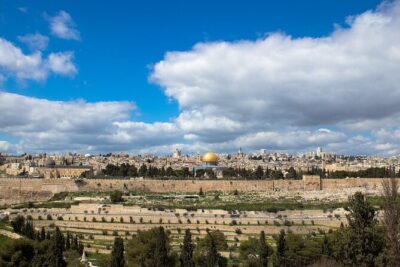
Jerusalem from Tel Aviv Ben Gurion Airport Private Arrival Transfer
Read our review →
Private Arrival Transfer: From Ben Gurion Airport to Tel Aviv City Center
Read our review →
Jerusalem to Tel Aviv Ben Gurion Airport Private Departure Transfer
Read our review →
Bethlehem, Dead Sea, Jericho and Jordan River Private Tour From Jerusalem/TLV
Read our review →
Tel Aviv Airport (TLV) to Jerusalem Hotels – Private Transfer
Read our review →
Private Departure Transfer: From Tel Aviv City Center to Ben Gurion Airport
Read our review →Browse the lists this tour appears in