
Reviewed · JERUSALEM TOURS
Christian Jerusalem in Russian
Jerusalem tells its story in stone. This six-hour tour links the city’s most important Christian sites, from the Mount of Olives and Gethsemane to the Via Dolorosa and Church of the Holy Sepulcher. I especially like the Russian-speaking guide and the included bus transfers, which make a long day of sacred places easier to manage.
I also like the way the route includes both major Christian shrines and the Western Wall, giving you a wider view of Jerusalem’s religious importance. The main drawback is the pace: six hours is useful for an overview, but it may feel tight at sites where you want quiet time, prayer, or a closer look. The tour is also not recommended for people with limited mobility.
In This Review
- Key points to know before booking
- Why this tour works for a first look at Jerusalem
- Starting above the city at the Mount of Olives
- Gethsemane, where the night before the crucifixion is remembered
- Mount Zion and the Last Supper Room
- Walking the Via Dolorosa through the Old City
- The Church of the Holy Sepulcher
- A short visit to the Western Wall
- What the $63 price gives you
- Pickup points, age limits, and clothing rules
- Who should book Christian Jerusalem in Russian?
- FAQ
- What language is the tour conducted in?
- How long does the tour last?
- What is included in the price?
- Are food and drinks included?
- Which Christian sites are visited?
- Does the tour visit the Western Wall?
- Are children allowed to join?
- What clothing is not allowed?
Key points to know before booking
- Mount of Olives viewpoint: Begin with one of Jerusalem’s best-known views over the Old City and its historic religious sites.
- Gethsemane and the Church of All Nations: Visit the garden traditionally linked with Jesus’ prayer before the crucifixion.
- Mount Zion landmarks: See the Last Supper Room, the Dormition Abbey, and the area connected with the final days of Jesus.
- Via Dolorosa and the Holy Sepulcher: Follow Jerusalem’s central Christian pilgrimage route and visit its most important shrine.
- Russian-language guiding: The tour is designed for Russian-speaking visitors and includes transport during the day.
- Modest dress is required: Shorts, short skirts, ripped clothing, see-through clothing, alcohol, drugs, weapons, and sharp objects are not allowed.
Why this tour works for a first look at Jerusalem
Jerusalem can be confusing on foot, especially when you are trying to connect places spread across the Mount of Olives, Mount Zion, and the Old City. This tour gives you a clear six-hour framework and bus transfers between parts of the route.
That matters because the religious sites are not all clustered together. The Mount of Olives is outside the Old City walls, while Mount Zion and the Old City require a different approach. Having transport included saves you from arranging separate taxis or trying to work out local connections during a busy sightseeing day.
The tour also gives you a Russian-speaking guide throughout the experience. At places where Christian tradition, archaeology, and religious practice overlap, a guide can help explain why a chapel or garden matters. You will get more than a series of names and photographs, though the exact depth of the commentary can depend on the guide leading your group.
The tour has a rating of 5 from three reviews. Meir, on a verified booking dated October 26, 2025, described the experience simply as Super. That is a brief endorsement, not a detailed report, but it fits the tour’s main strength: it offers a compact way to cover several major sites in one day.
More Jerusalem tours worth comparing
- From Jerusalem: Masada & Dead Sea Full Day Tour with Pick Up
★ 4.5 · 815 reviews - Masada and the Dead Sea Day Trip from Jerusalem
★ 4.5 · 757 reviews - From Jerusalem: Nazareth and Sea of Galilee Tour
★ 4.5 · 588 reviews
Starting above the city at the Mount of Olives
The tour begins at a viewpoint on the Mount of Olives. This is a smart opening because Jerusalem makes more sense once you can see how the main areas relate to one another.
From the mountain, you can look toward the Old City and take in the setting of the historic walls, Mount Zion, and the religious sites below. The view is not just a photo stop. It gives you a useful sense of Jerusalem’s geography before you begin walking through its narrower streets.
I would pay close attention here to the guide’s orientation. This is the point where you can best understand the relationship between the Mount of Olives, the Old City, and the Kidron Valley area. Later, when you enter the older quarters, that broad view will help you picture where you have been and where you are going.
The viewpoint itself is one of the tour’s more accessible visual moments, but the rest of the day involves historic streets, steps, and uneven surfaces. Bring comfortable shoes. The experience is not recommended for people with limited mobility, and that warning should be taken seriously.
Gethsemane, where the night before the crucifixion is remembered
At the foot of the Mount of Olives, you visit the Garden of Gethsemane. Christian tradition identifies this as the place where Jesus prayed and his disciples slept on the night before his crucifixion.
The garden is important because it changes the tone of the tour. The Mount of Olives viewpoint is broad and open, while Gethsemane is a more enclosed place associated with prayer, fear, and waiting. You can expect a quieter, more reflective stop rather than a simple sightseeing viewpoint.
The description highlights the garden’s maze-like paths. That makes the visit feel less like looking at a single monument and more like moving through a small historic setting. Keep your attention on the guide, since the meaning of the garden comes from the traditions connected with its different features.
In the middle of Gethsemane is the Church of All Nations, also called the Basilica of the Agony. Its name points to its Christian purpose and to the many communities connected with the church. This is one of the places where a guided visit is useful, since the church’s significance is tied closely to the events remembered there.
You also visit the Church of the Sepulchre of Saint Mary, known as the Tomb of the Virgin Mary, on the southern slope. It adds another important Christian site to the Mount of Olives portion of the day. Because several churches and traditions are concentrated in this area, the guide’s explanations will help you keep the sites distinct.
Mount Zion and the Last Supper Room
The route continues to Mount Zion, traditionally associated with the Last Supper Room, also called the Cenaculum. The room is held to be the site of the Last Supper, making it one of the key stops for anyone interested in the final days of Jesus’ life.
This is a good example of how Jerusalem requires careful wording. The site is traditionally identified with the Last Supper, rather than presented as a modern building with an undisputed, fully documented connection. That does not make the visit less meaningful. It shows how Christian memory has shaped the city for centuries.
The room itself is part of a larger Mount Zion visit that includes the Dormition Abbey. You can expect a contrast between the Cenaculum, with its strong connection to the Gospel narrative, and the abbey, which represents another major Christian tradition and place of worship.
The tour does not list a meal, so plan to eat before departure or carry what is permitted for the day. Food and drinks are not included in the price. Since the schedule covers several important places in six hours, a long restaurant stop is not part of the experience.
A different day out, same base:
- Nazareth and the Sea of Galilee Day Trip from Jerusalem
★ 4.5 · 446 reviews - From Jerusalem: Masada&Dead Sea Tour INCLUDING ENTRANCE FEES
★ 4.3 · 392 reviews - Jerusalem: Guided Walking Tour of the Old City
★ 4.7 · 386 reviews - Full Day City Tour of Jerusalem
★ 4.1 · 367 reviews
Walking the Via Dolorosa through the Old City
The Via Dolorosa is a street within Jerusalem’s Old City, traditionally believed to be the path Jesus walked toward his crucifixion. For many Christian visitors, this is the emotional center of the tour.
You will be moving through an urban street rather than a quiet museum. The route is part of the living Old City, and the setting can feel crowded or distracting at times. That is also part of what makes it meaningful. The Via Dolorosa is not separated from daily Jerusalem. Religious devotion, local life, shops, and movement all share the same narrow setting.
Wear shoes that handle uneven pavement well. Modest clothing is essential, and the dress rules are strict: no shorts, short skirts, ripped clothing, or see-through clothing. These rules are especially important on a tour that enters churches and other sacred places.
A guide can make a major difference here. Without context, the Via Dolorosa may feel like a series of turns and stops. With a Russian-speaking guide explaining the route and its traditions, you have a better chance of understanding how the street became central to Christian pilgrimage.
The Church of the Holy Sepulcher
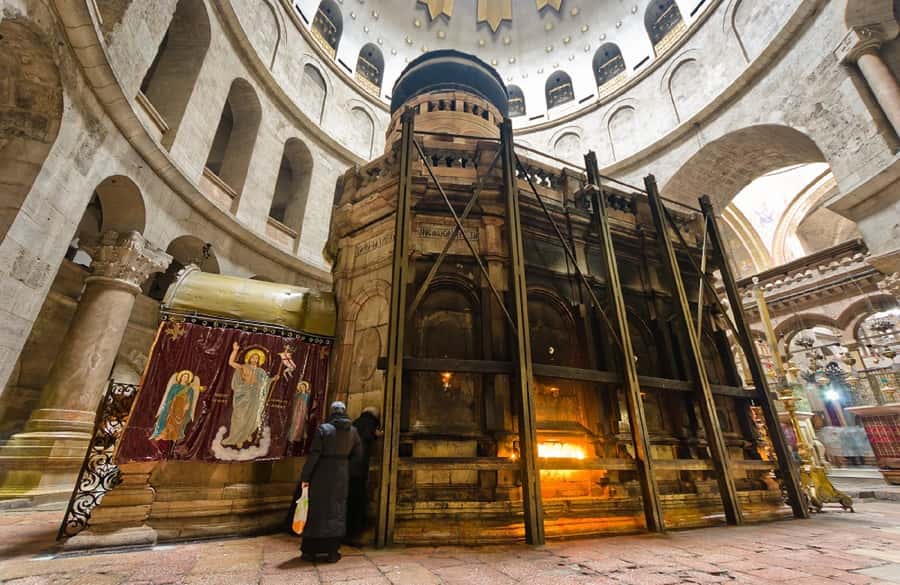
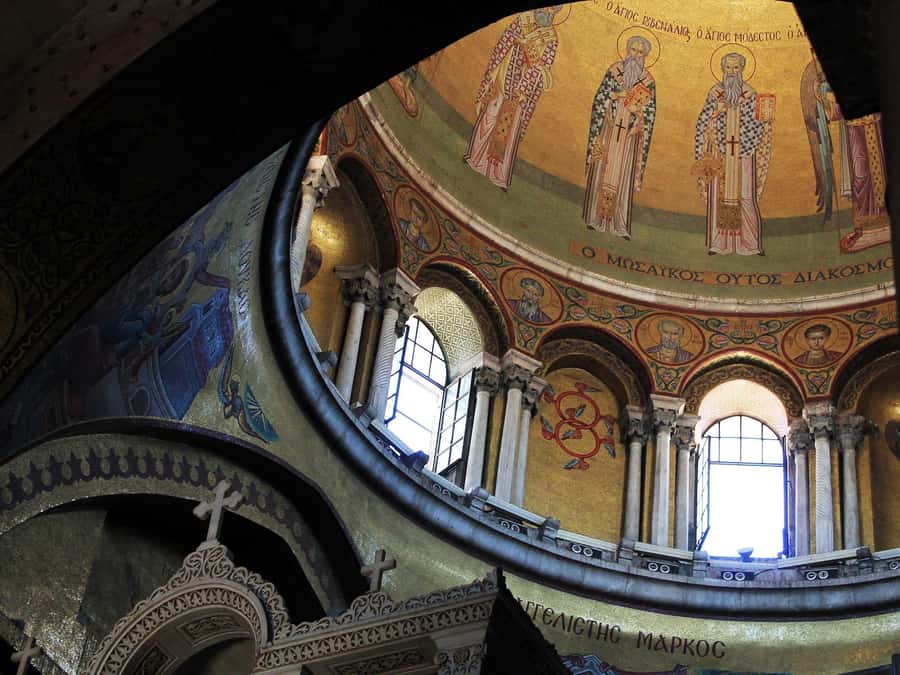
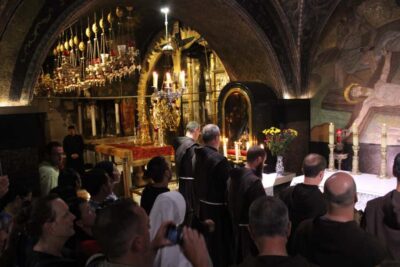
The tour visits the Church of the Holy Sepulcher, one of Christianity’s most important holy shrines. The modern church includes Golgotha, the Chapel of the Holy Sepulcher, and the Church of the Resurrection.
It also contains numerous chapels and monasteries connected with different Christian denominations. This makes the church both powerful and complex. It is not one simple room with one point of interest. It is a shared sacred space shaped by several Christian communities.
Give yourself a moment to take in that complexity. The church brings together places associated with the crucifixion, burial, and resurrection of Jesus. The various chapels reflect different traditions and forms of worship, so the visit can feel layered even if you are not familiar with the distinctions between denominations.
The practical challenge is time. The tour lasts six hours and includes many sites, so you may not have unlimited time inside the church. If you have a particular chapel or ritual space you most want to see, tell the guide early in the visit.
The Holy Sepulcher can also be an intense stop for visitors who are coming for religious reasons. It is worth setting realistic expectations. The tour gives you access to a major shrine, but it is not a private pilgrimage or a slow, contemplative day.
A short visit to the Western Wall
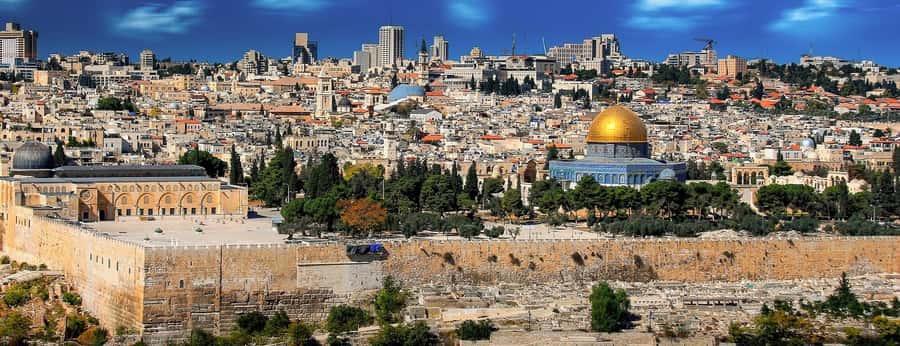
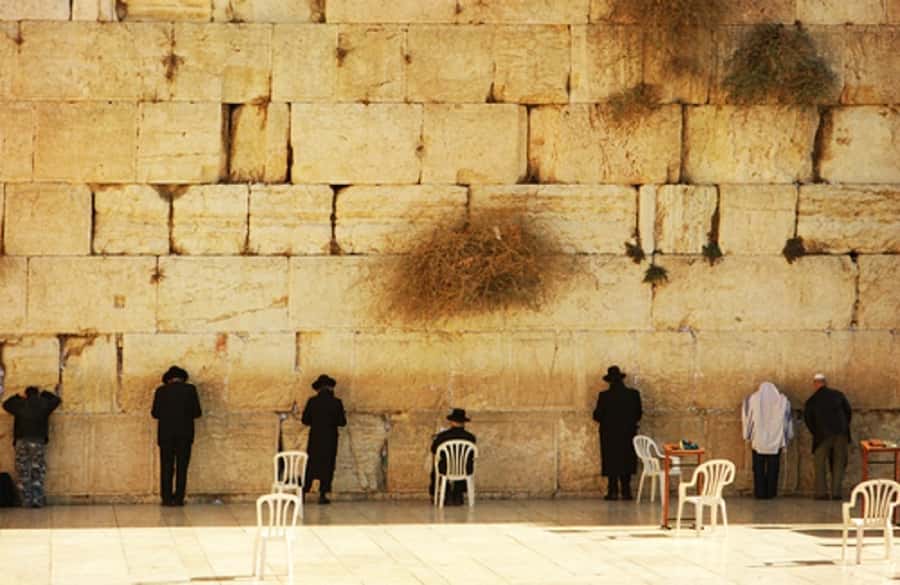
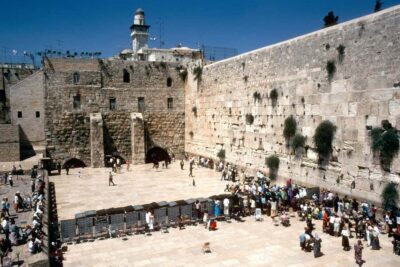
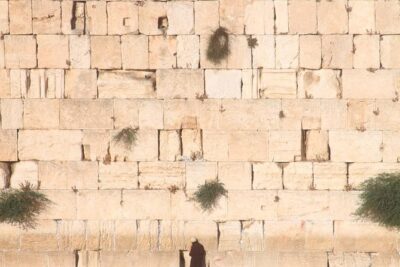
The route also includes the Wailing Wall, more commonly called the Western Wall. It is the most holy place in Judaism and adds an important Jewish perspective to a tour focused mainly on Christian Jerusalem.
This stop helps you understand that Jerusalem cannot be reduced to one faith or one historical account. The Christian sites are central to the tour, but the Western Wall shows the city’s broader religious importance.
You should approach this part of the visit with the same respect required at the churches. Dress modestly and follow the guide’s instructions. The tour information does not specify how long you will spend there, so expect an included visit rather than a long independent session.
The Western Wall also makes the itinerary more useful for first-time visitors. You see several of the city’s major sacred places without having to book separate tours for each religious tradition.
What the $63 price gives you
At $63 per person, the value rests mainly in the Russian-language guide, transport during the tour, and the number of major sites covered in six hours.
If you tried to arrange visits to the Mount of Olives, Gethsemane, Mount Zion, the Via Dolorosa, the Church of the Holy Sepulcher, and the Western Wall independently, you would need to manage transport, directions, timing, and the order of the day. This tour removes much of that work.
The price does not include food or drinks. That is easy to handle, but you should factor it into your budget. The tour is also best viewed as an orientation and highlights visit, not as a slow examination of every church, chapel, and street.
For a Russian-speaking visitor who wants the major Christian landmarks explained in one organized outing, $63 is a fair price. The value is weaker if you prefer to linger at one site, spend time alone, or set your own pace.
Pickup points, age limits, and clothing rules
Pickup is included from the listed points: Sderot Haatsmaut 64, Keren HaYesod and Haim Moshe Shapira, and Hagshama Street 2. The information also lists Talpiot Market in Haifa, with departure available only on Saturdays.
Check the pickup point and operating day carefully before booking. The Haifa note is particularly important because a Saturday-only departure will not suit every schedule.
Children aged five and older are allowed. Children under five cannot join. The tour is not recommended for people with limited mobility, and the combination of walking, historic streets, and sacred buildings may be tiring even for people who normally walk comfortably.
Dress for religious sites, not for a casual city outing. Shorts, short skirts, ripped clothing, see-through clothing, alcohol, drugs, weapons, and sharp objects are not allowed. Modest clothing is the safest choice from the start.
You can cancel up to 24 hours before the tour for a full refund, and the reserve-now, pay-later option keeps your plans flexible. Starting times depend on availability, so check the schedule before making other arrangements.
Who should book Christian Jerusalem in Russian?
I would recommend this tour to Russian-speaking visitors who want a structured introduction to Jerusalem’s Christian sites. It suits first-time visitors, religious pilgrims on a tight schedule, and anyone who prefers included transport over independent route planning.
It is also a practical choice if you want to see the Mount of Olives and Old City sites in one day. The mix of viewpoints, gardens, churches, traditional pilgrimage streets, and the Western Wall gives you a broad first look at Jerusalem.
I would hesitate if you have limited mobility, dislike busy historic streets, or want long periods for prayer and reflection. Six hours covers a lot, but it cannot provide the same slow pace as a private or single-site visit.
Book it if your priority is coverage, Russian-language guidance, and simple transport. Skip it if your priority is freedom to linger, especially at the Church of the Holy Sepulcher or the Via Dolorosa.
FAQ
What language is the tour conducted in?
The live tour guide speaks Russian.
How long does the tour last?
The tour lasts six hours.
What is included in the price?
Guide services and bus transfers during the tour are included.
Are food and drinks included?
No. Food and drinks are not included.
Which Christian sites are visited?
The tour includes the Mount of Olives viewpoint, Gethsemane Garden, the Church of All Nations, the Church of the Sepulchre of Saint Mary, the Last Supper Room, the Dormition Abbey, the Via Dolorosa, and the Church of the Holy Sepulcher.
Does the tour visit the Western Wall?
Yes. The itinerary includes the Wailing Wall, also known as the Western Wall.
Are children allowed to join?
Children aged five and older are allowed. Children under five are not suitable for the tour.
What clothing is not allowed?
Shorts, short skirts, ripped clothing, see-through clothing, alcohol, drugs, weapons, and sharp objects are not allowed.
Recently listed in Jerusalem
- West Bank Tour from Jerusalem and Tel-Aviv – Bethlehem & Jericho★ 5.0 · 6 reviews
- Tour of Jerusalem & Dead sea private tour★ 5.0 · 4 reviews
- One-Day Tour to Bethlehem and Jericho★ 5.0 · 2 reviews
- jerusalem classic tour★ 5.0 · 3 reviews
- full day tour Jerusalem price per van up to 6 people★ 5.0 · 8 reviews
- kosher Israel wine tour★ 5.0 · 4 reviews
- Private Silk Painting Workshop in Jerusalem – Create a scarf –★ 5.0 · 4 reviews
- Experience Shabbat With Dinner In Jerusalem★ 5.0 · 5 reviews
Jerusalem Tours, compared.
Masada and the Dead Sea Day Trip from Jerusalem
Read our review →
Nazareth and the Sea of Galilee Day Trip from Jerusalem
Read our review →
Browse the lists this tour appears in