
Reviewed · EVENING EXPERIENCES
7-Night Israel Highlights and Bibleland Tour
Israel rewards an early start. This eight-day tour packs Jerusalem, Bethlehem, Galilee, Nazareth, Haifa, Acre, Caesarea, and Tel Aviv into one neatly arranged trip. I like the mix of biblical places and broader Jewish, Roman, Crusader, and modern Israeli history. I also like the three-night Jerusalem base and two nights at a Galilee kibbutz hotel, which break up the sightseeing. The main tradeoff is pace: you will walk a lot, rise early, and sometimes have limited time at churches and sacred sites.
The $1,712 price includes seven nights, six breakfasts, six dinners, a professional guide, an air-conditioned vehicle, and airport transfers on the scheduled arrival and departure days. That can be fair value for a first visit, especially when you add up transport between distant regions and the hotel stays. Still, check the hotel category carefully, and budget extra for the optional Dead Sea and Masada day trip.
In This Review
- Key points to know before booking
- Why this tour works for a first visit to Israel
- Arrival in Jerusalem and the practical setup
- Day 2: Dead Sea Scrolls, Yad Vashem, Ein Karem, and Bethlehem
- Day 3: Jerusalem’s holiest sites and its best market
- Day 4: Beit She’an, the Jordan Valley, and the Golan Heights
- Day 5: Capernaum, the Sermon on the Mount, Tabgha, and Nazareth
- Day 6: Acre, Haifa, Caesarea, and Jaffa
- Day 7: Your choice of Tel Aviv or the Dead Sea
- Hotels, meals, transport, and daily pace
- Who should book this Israel tour?
- Final verdict: good value for a fast first look
- FAQ
- How long is the tour?
- Where does the tour begin and end?
- What accommodation is included?
- Are meals included?
- Is the Dead Sea included?
- What is the group size?
Key points to know before booking
- Jerusalem receives the most attention: Three nights allow time for the Old City, Bethlehem, Yad Vashem, the Israel Museum, Mount of Olives, and Mahane Yehuda Market.
- The schedule covers biblical and secular Israel: You visit holy sites, Roman ruins, Crusader fortifications, a Holocaust memorial, a wine producer, and modern Tel Aviv.
- The Galilee stay changes the rhythm: Two nights at a kibbutz hotel put you close to Capernaum, Tabgha, the Mount of Beatitudes, Nazareth, and the Golan Heights.
- The optional Dead Sea trip costs extra: You can use Day 7 for Tel Aviv instead, or pay separately for the Dead Sea and Masada excursion.
- Guide quality matters: Guides named in feedback include Leah, Boaz, Omer, Suky, Patrick, and Mark. Leah and Boaz received especially warm praise for their explanations and friendly manner.
- Expect a group of up to 40 people: That keeps the cost down, but late departures can affect the day if people do not return to the vehicle on time.
Why this tour works for a first visit to Israel
Israel is a compact country, but the major sights are spread across very different regions. Jerusalem sits in the hills, Galilee is far to the north, Tel Aviv faces the Mediterranean, and the Dead Sea lies in the Jordan Valley. Seeing all of these by public transport would take more planning and patience than many first-time visitors want.
This tour handles the long transfers by air-conditioned vehicle and keeps your hotels to three main bases. You sleep three nights in Jerusalem, two nights at a Galilee kibbutz hotel, and two nights in Tel Aviv. That is much better than changing rooms every night.
The route also gives you more than a religious pilgrimage. You see Second Temple Jerusalem, Roman Beit She’an and Caesarea, Crusader Acre, Holocaust remembrance at Yad Vashem, Druze villages in the Golan area, and the Baha’i shrine in Haifa. I like that balance. You can focus on the biblical meaning of each place without missing the wider story of the country.
The weak point is time. Sacred sites can be emotional and crowded, yet the schedule gives some stops less than an hour. If you want long periods for prayer, quiet reflection, or detailed museum visits, a slower custom trip would suit you better.
More Tel Aviv tours worth comparing
- Guided Pub Crawl Night Tour at Tel Aviv
★ 5.0 · 85 reviews - 16-Night Israel Jordan and Egypt Tour
★ 4.0 · 6 reviews - Eilat Mountains: Sunset Jeep Adventure to Mount Joash
★ 4.7 · 143 reviews
Arrival in Jerusalem and the practical setup
Your tour begins at Ben Gurion Airport near Tel Aviv, where a representative meets you with a sign bearing your name. The included transfer takes you to your Jerusalem hotel, and touring starts the next morning. You can arrive on any flight on the designated arrival day.
This airport arrangement received praise for being clear and dependable, with a driver waiting after security. Still, enter your passport name, passport number, expiry date, country, and flight details carefully when booking. Airport transfers are included only on the stated tour arrival and departure days. If you arrive early or leave late, you arrange those extra transfers yourself.
The vehicle is air-conditioned, and the maximum group size is 40 people. That is a useful middle ground: cheaper than a private tour, but still small enough for a guide to address the group. You will need to stay aware of meeting times. One weakness reported about the scheduling was repeated waiting for late passengers.
Day 2: Dead Sea Scrolls, Yad Vashem, Ein Karem, and Bethlehem
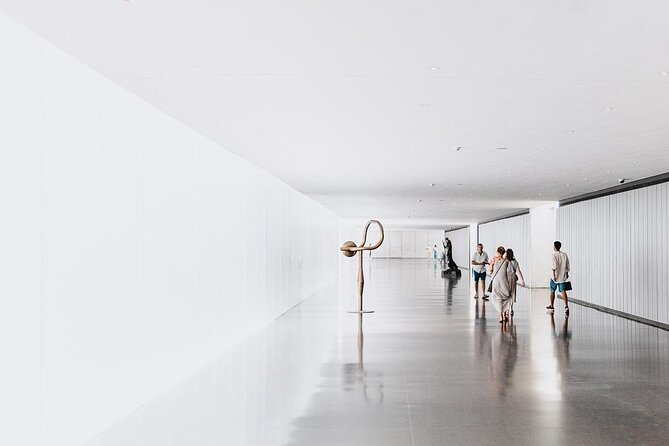
The first full sightseeing day begins at the Israel Museum. The Shrine of the Book holds the famous Dead Sea Scrolls, while the nearby model of Herodian Jerusalem shows the city as it may have appeared during the Second Temple period.
This is an excellent opening because it gives you a visual and historical frame for later visits. When you walk through the Old City, the stones and gates make more sense after seeing the earlier city model. The museum stop lasts about an hour, so expect an introduction rather than a full museum visit.
Next comes Ein Karem, a small village on Jerusalem’s southwestern edge associated in Christian tradition with the birth of John the Baptist. Its village setting offers a change from central Jerusalem, but the scheduled 50 minutes will feel brief if you want to explore every religious site.
Yad Vashem follows. This is Israel’s official memorial to Jewish victims of the Holocaust, located near Mount Herzl. The visit carries serious emotional weight and adds essential context to the trip. One hour is enough for a focused visit, but not for every gallery and exhibit.
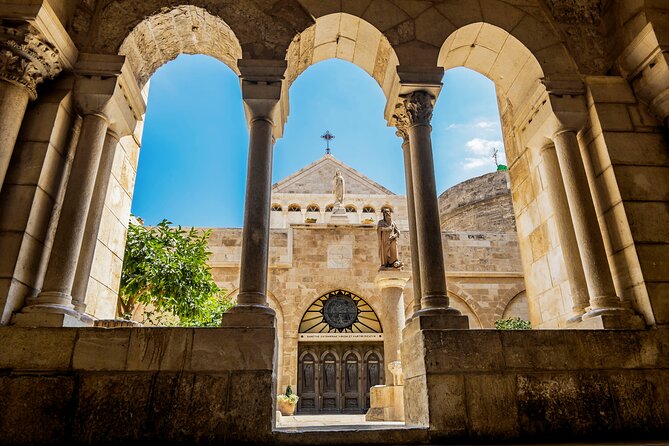
The afternoon goes to Bethlehem, the traditional birthplace of Jesus. You visit the Church of the Nativity and Manger Square, with about two hours at the site. Since Bethlehem is in the West Bank, the border and entry arrangements can affect the day’s timing. Your passport details are especially important here.
For many people, Bethlehem will be one of the most meaningful stops. The practical issue is that the church may require patience, and the schedule may not leave much time for personal worship. If private prayer is central to your trip, tell the guide early and ask what time is available.
Day 3: Jerusalem’s holiest sites and its best market
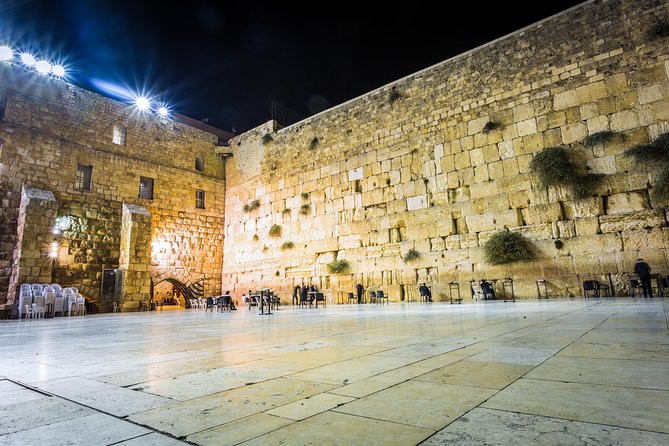
Day 3 is the tour’s most concentrated Jerusalem day. You enter the Old City and visit the Western Wall, beside the Temple Mount, the site of the ancient Second Temple.
You then walk sections of the Via Dolorosa, the traditional Way of the Cross, toward Calvary and the Church of the Holy Sepulchre. The church contains the traditional sites of the Crucifixion and the Tomb of the Resurrection. This is one of the tour’s strongest moments, but it is also where the tight timing is most noticeable.
The listed schedule gives about an hour for the Old City and another hour for the Via Dolorosa. Those periods overlap in subject, but not necessarily in the amount of time you will want. Expect walking on uneven streets, stops for explanation, and a group pace rather than a private pilgrimage.
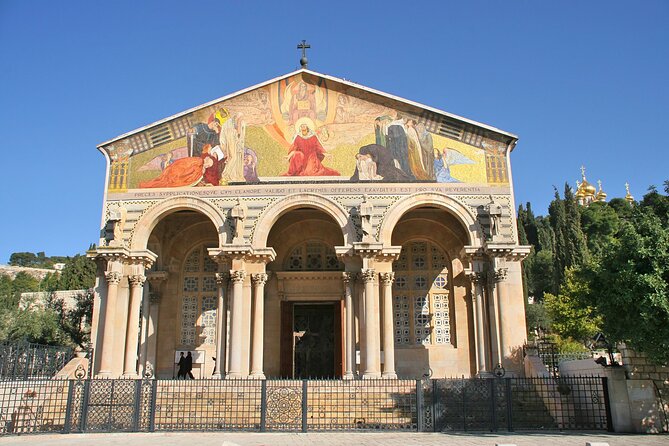
Mount Zion comes next, with the traditional tomb of King David and the Room of the Last Supper. The stop lasts about an hour and adds another layer of religious tradition to the day. From there, the route goes to the Garden of Gethsemane, associated with Judas’s betrayal of Jesus, followed by the Mount of Olives.
The Mount of Olives provides one of the best broad views of Jerusalem. You can look across the city toward its major religious landmarks and see why this ridge has mattered to three major faiths. Bring water, comfortable shoes, and sun protection. You will be outside and on your feet for much of the day.
The final stop is Mahane Yehuda Market, one of Jerusalem’s most enjoyable places for everyday atmosphere. You get food smells, colorful produce, shopkeepers, and the quick movement of a working market. The one-hour visit is enough to sample the mood, though not enough for a relaxed meal and a serious shopping expedition.
I especially like this market stop because it keeps the day from becoming a string of monuments. It lets you see Jerusalem as a living city, not only a sacred backdrop.
A different day out, same base:
- From Tel Aviv: Masada & Dead Sea Full Day Tour with Pick Up
★ 4.5 · 1,496 reviews - From Tel Aviv: Jerusalem and Bethlehem Guided Day Trip
★ 4.3 · 1,316 reviews - Masada and the Dead Sea Day Trip from Tel Aviv
★ 4.5 · 1,014 reviews - Tel Aviv: Jerusalem, Bethlehem & Dead Sea
★ 4.0 · 881 reviews
Day 4: Beit She’an, the Jordan Valley, and the Golan Heights
The route leaves Jerusalem and heads north through the Jordan Valley, passing near Jericho, which is described as one of the world’s oldest cities. The drive connects biblical geography with present-day settlements and agricultural areas.
At Beit She’an National Park, you explore the remains of a well-preserved Roman city. The excavated streets, columns, and public buildings help explain how Roman urban life looked in this part of the region. The planned visit lasts about an hour, which gives you the main highlights without turning the stop into a full archaeological study.
The day then rises into the Golan Heights. The scheduled two-hour stop includes an Israeli wine experience with a tour, tasting, and an explanation of production. You also pass Druze villages, former Syrian fortifications, and views toward Mount Hermon and Syria.
This is a useful change of subject after several days of churches and ancient city walls. You see a modern agricultural industry, regional cultures, and a sensitive border area in one stretch. Wine tasting may not appeal to every religious pilgrim, but it gives the itinerary a broader feel.
The route continues through the Hula Valley to Tiberias on the Sea of Galilee. Tiberias is one of Judaism’s four holy cities and is linked to the compilation of the Jewish Talmud. This is likely a driving and orientation stop, rather than a long independent visit.
You spend two nights at a Galilee kibbutz hotel. The change from city hotels to a rural lodging base is welcome, although hotel standards can vary by package. Read the accommodation category carefully before choosing. One person who selected the four-star option was pleased, while the three-star rooms drew complaints about quality.
Day 5: Capernaum, the Sermon on the Mount, Tabgha, and Nazareth
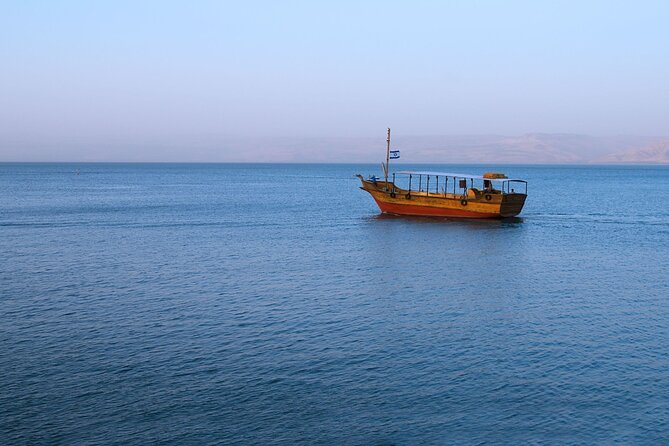
Day 5 follows the northern shore of the Sea of Galilee and focuses on places connected to Jesus’s ministry. At Capernaum, also called Kfar Nahum National Park, you see the ruins of the ancient synagogue. The site is particularly interesting because tradition links Capernaum with Jesus’s teaching.
The stop lasts about 50 minutes. That is enough to hear the explanation and see the main remains, but not enough for a slow archaeological visit. Your guide’s ability to explain the layers of tradition and excavation will make a real difference here.
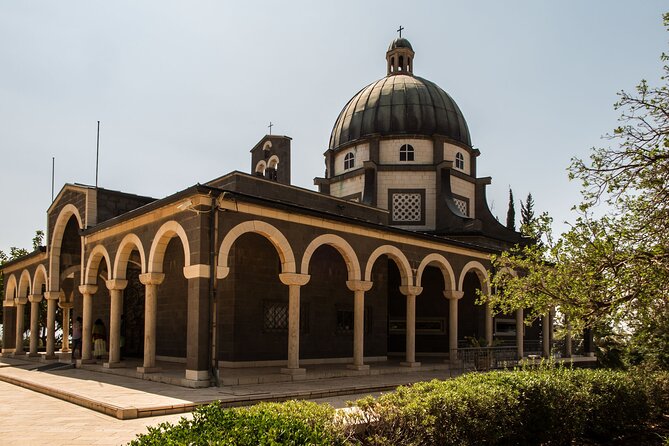
You then visit the Mount of Beatitudes, the traditional site of the Sermon on the Mount. Tabgha follows, associated with the miracle of the loaves and fish. Each visit lasts about 50 minutes, so the day moves quickly from one sacred setting to the next.
The sequence works well because the stops are close and connected. The drawback is that you may wish for more quiet time at each church or hillside. One Spanish-language assessment criticized the lack of time for prayer and worship, so this tour is better for seeing many locations than for extended religious practice.
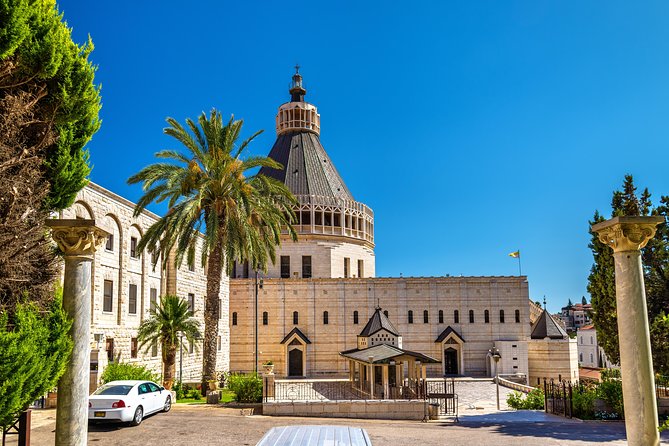
The afternoon goes to Nazareth and the Church of the Annunciation, along with other Christian holy sites. The two-hour visit is longer than most of the morning stops and gives you more room to absorb the city.
Nazareth is not only a biblical name. It is a working city, and the visit helps connect the story of Jesus’s childhood with modern life. Expect a busy day, but also one of the most important sections for anyone interested in the New Testament.
Day 6: Acre, Haifa, Caesarea, and Jaffa
The final major touring day travels west through Galilee to Acre, also known as Akko. The old Crusader stronghold and medieval fortifications show the military and trading importance of this port. The one-hour visit focuses on the main historic area, including the Citadel of Acre.
From Acre, the vehicle climbs Mount Carmel above Haifa. The viewpoint includes Haifa Bay, the Baha’i Shrine, and its Persian Garden. This is a shorter visit, but the view gives you a needed sense of the coast and the city’s position between mountain and sea.
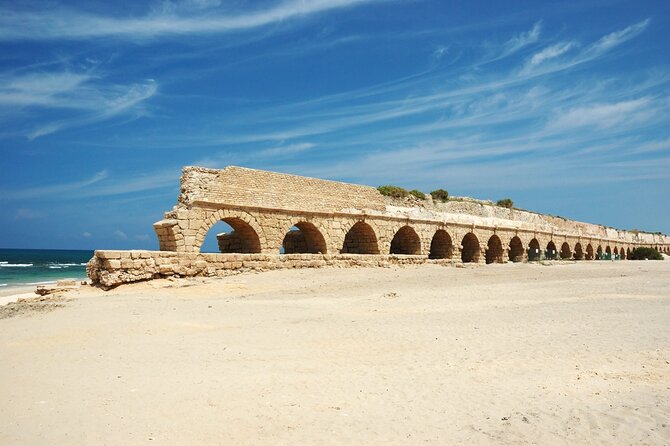
Caesarea National Park follows along the Mediterranean coast. Herod the Great developed the ancient city, and the remains include a Roman theater and Crusader fortress. The stop brings together Roman engineering, later Christian and Crusader periods, and the open coastal setting.
I like the way this day shows several different versions of power: Crusader Acre, modern Haifa, Herodian Caesarea, and finally Jaffa. It is also one of the longest driving days, so do not expect leisurely time at every site.
The day ends with a short tour of Tel Aviv and ancient Jaffa. Jaffa’s port area gives the trip a final historical anchor before you move into modern Tel Aviv. The Jaffa visit lasts about 50 minutes, so treat it as an introduction and plan to return during your free day if you want more time.
Day 7: Your choice of Tel Aviv or the Dead Sea
Day 7 is free in Tel Aviv. You can use it to explore at your own pace, return to Jaffa, rest, or arrange your own food and sightseeing. After six demanding touring days, this break is valuable.
The alternative is an optional day trip to the Dead Sea and Masada for an additional charge. The Dead Sea offers a very different setting from Jerusalem and Galilee, while Masada adds another major historical site. The extra cost is not included in the base price, so confirm the current amount before departure and do not assume it is part of the package.
One useful point from the feedback is that the Dead Sea was considered worthwhile, while Masada was less essential to one person. Your choice depends on your energy and interests. If you have already seen many ancient ruins, keep the free Tel Aviv day. If the Dead Sea is a personal priority, the added excursion may be worth the money.
Hotels, meals, transport, and daily pace
The package includes seven nights of accommodation, six breakfasts, and six dinners. Lunches, drinks, and other food are not included unless specifically stated. That matters in Israel, where a long sightseeing day can make an unplanned lunch stop expensive or inconvenient.
You can choose among hotel standards to match your budget. I would seriously consider the higher category if the price difference is manageable. The feedback points to a clear gap in satisfaction between the four-star and three-star options, though exact hotels are not provided here.
The air-conditioned vehicle is one of the package’s practical strengths. You avoid arranging long-distance transport from Jerusalem to Galilee and then down the coast. The cost is also easier to judge because the package combines transport, guide service, hotels, dinners, and breakfasts.
The catch is the early schedule and group movement. One person described the tour as exhausting, with early mornings and full walking days. Another praised the organization but noted delays caused by people arriving late at meeting points. You should be ready to protect your own time by returning promptly when asked.
Guide quality can vary, as it does on any group tour. Leah received especially strong praise for her historical explanations and approachable manner. Boaz was also praised for making the trip informative and enjoyable, while Omer, Suky, Patrick, and Mark were also named positively. Since the guide shapes how much context you get at each short stop, this is an important part of the value.
Who should book this Israel tour?
I would choose this tour if you want to see the major Christian sites but also care about Jewish, Roman, Crusader, Holocaust, and modern Israeli history. It suits first-time visitors who prefer a ready-made route and do not want to negotiate long bus journeys between cities.
It also works for people who like variety. In one week, you move from museum displays and Holocaust remembrance to village churches, Roman ruins, wine tasting, coastal ports, a kibbutz hotel, and a modern city.
I would hesitate if you want long, quiet visits at religious sites. The schedule is built around coverage, not lingering. I would also hesitate if you dislike group travel, early departures, or fixed meal arrangements.
The best preparation is simple: choose the hotel level carefully, pack comfortable walking shoes, bring water, and read the optional Dead Sea terms before you go. Give yourself extra time on arrival if your flight is outside the designated dates, since those airport transfers are not included.
Final verdict: good value for a fast first look
At $1,712 per person, this is a strong package for someone who wants a guided overview of Israel in seven nights. The route reaches the main biblical locations and adds enough archaeology, culture, and modern history to keep the experience from feeling one-note.
I would book it for a first visit, especially with the four-star hotel option and a clear decision about the Dead Sea excursion. I would choose another format for a prayer-focused pilgrimage or a relaxed archaeological holiday. The tour’s real strength is its range: you see a great deal of Israel in a short time, as long as you accept the early mornings and keep moving.
FAQ
How long is the tour?
The experience lasts approximately eight days and includes seven nights of accommodation.
Where does the tour begin and end?
It begins at Ben Gurion Airport in Israel and ends back at the meeting point with a transfer to the airport on the scheduled departure day.
What accommodation is included?
The package includes three nights in Jerusalem, two nights in Tel Aviv, and two nights at a Galilee kibbutz hotel. You can choose from different hotel standards.
Are meals included?
Six breakfasts and six dinners are included. Food and drinks outside those meals are not included unless specifically stated.
Is the Dead Sea included?
No. The Dead Sea and Masada are offered as an optional day trip for an additional cost. You can instead use Day 7 as a free day in Tel Aviv.
What is the group size?
The tour can include a maximum of 40 people. An air-conditioned vehicle and a professional guide are included.
Recently listed in Tel Aviv
- Wine Tour North of Israel from Tel Aviv★ 5.0 · 2 reviews
- Private wine tour of Northern Israel★ 5.0 · 4 reviews
- private Full-day Tour to Jericho + the Dead Sea★ 5.0 · 3 reviews
- private Full-Day Tour to Bethlehem and Jerusalem★ 5.0 · 2 reviews
- Package VIP Skip Line Services in BGN Airport with Transfer to Tel aviv Hotels★ 5.0 · 3 reviews
- Jerusalem and Dead Sea Trip from Tel Aviv★ 4.0 · 6 reviews
- Private Transfer from Ben Gurion Airport to Tel Aviv, Bat Yam, Rishon LeZion★ 5.0 · 2 reviews
- VIP Tel Aviv airport Terminal 3 Fast Track Skip Line From plane★ 4.5 · 9 reviews
Evening Experiences, compared.
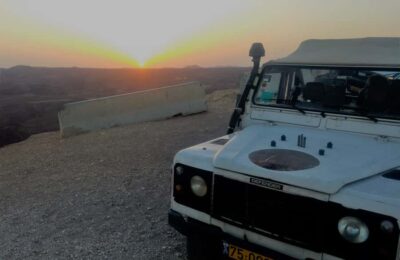
Eilat Mountains: Sunset Jeep Adventure to Mount Joash
Read our review →
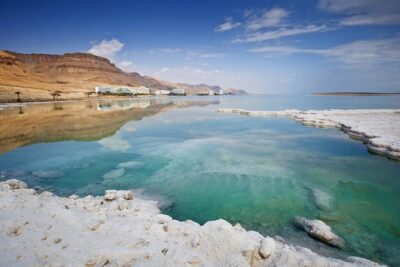
8-Night Israel Tour from Tel Aviv: Jerusalem, Dead Sea, Bethlehem, Nazareth, Northern Israel and Petra
Read our review →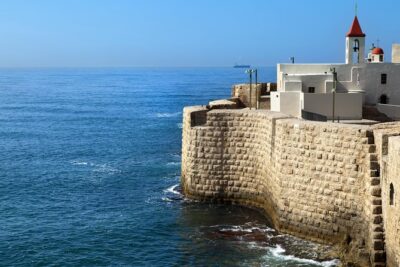
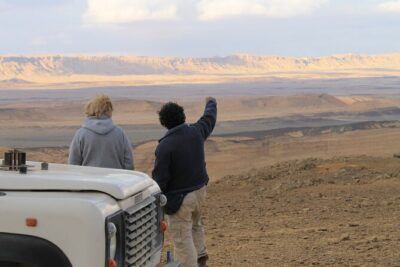
Sunset time Ramon Crater Jeep tour, bonfire and stargazing
Read our review →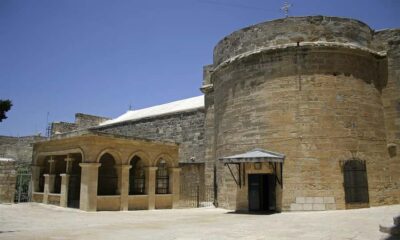
From Amman: 1-Night Private Jerusalem and Bethlehem Tour
Read our review →Browse the lists this tour appears in