
Reviewed · DEAD SEA AND MASADA TOURS
2-Days Tour Jerusalem, Bethlehem, Jericho, and The Dead Sea
Four sacred sites, two very full days. This tour brings together Jerusalem’s Old City, Bethlehem, ancient Jericho, and the Dead Sea in one organized trip. I like the panoramic start on Mount Scopus and the chance to float at the Dead Sea, two very different ways to see the region. I also like that a local English-speaking guide and driver handle the complicated routing. The main drawback is the pace: Jerusalem and Bethlehem alone take about seven hours, and Day 2 adds several stops before your time at the water.
The tour also earns points for practical service. Questions are answered quickly, departures are guaranteed, and transport is provided in an air-conditioned vehicle with WiFi. The group may reach up to 50 people, so you should not expect a quiet private tour or long, unhurried visits at every site.
At $300 per person, this is a fair package if you need transport, guiding, and a carefully planned route through places that can be difficult to connect on your own. Lunch, hotels, tips, insurance, and personal expenses are not included, so your final cost will be higher.
In This Review
- Key points to know before booking
- Why this two-day route works
- Day 1: Jerusalem from Mount Scopus to the Holy Sepulchre
- Day 1: Bethlehem and the Basilica of the Nativity
- Day 2: Ancient Jericho and the oldest settlements
- Qaser el Yahud and the Jordan River
- Two hours at the Dead Sea
- Guide, transport, and group size
- Is $300 a fair price?
- Who should book this tour?
- Should you book it?
- FAQ
- How long is the tour?
- Where does the tour start?
- Where does the tour end?
- Is hotel pickup available?
- What is included in the price?
- Is lunch included?
- Are accommodations included?
- Does the Jericho portion operate all year?
- What happens if I cancel?
Key points to know before booking
- Mount Scopus gives you your first view of Jerusalem: The tour begins with a broad panorama before moving into the city’s religious sites.
- The Old City route covers major Christian and Jewish landmarks: You visit the Garden of Gethsemane, the Western Wall, the Byzantine Cardo, the Via Dolorosa, and the Church of the Holy Sepulchre.
- Bethlehem adds a major Christian pilgrimage site: Manger Square and the Basilica of the Nativity are the heart of the first day.
- Jericho is a seasonal highlight: The second day operates from October through May and includes Elisha’s Spring, Tel Jericho, the Mount of Temptation cable car, and Qaser el Yahud.
- The Dead Sea is for relaxing, not sightseeing at speed: You get about two hours to swim, rest, and use the mineral-rich water and black mud.
- The tour ends where it begins: The stated meeting point is the David Citadel Hotel on King David Street in Jerusalem.
Why this two-day route works
The biggest strength here is the range. In two days, you move from Jerusalem’s holy hills to Bethlehem, one of Christianity’s most important towns, then down through the Judean region to Jericho and the Dead Sea.
I like this route for a first visit because it gives you a broad sense of the Holy Land without asking you to arrange several separate day trips. The driver takes care of the long connections, and the English-speaking guide provides the religious and historical setting as you go.
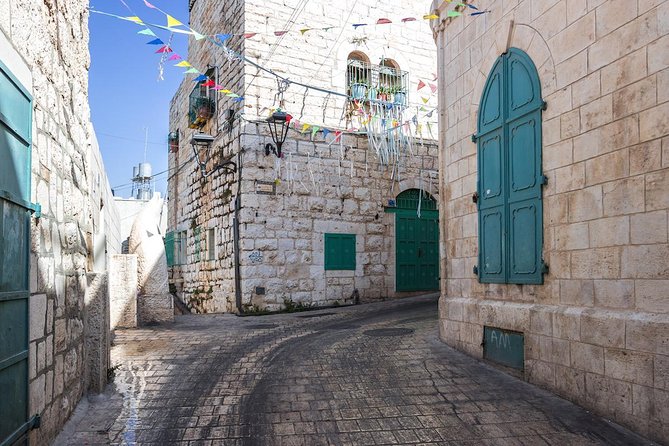
The route is not designed for slow travel. Jerusalem’s Old City has narrow lanes, crowded sacred places, and many details competing for your attention. Bethlehem adds another major stop on the same day. Day 2 is also full, with ancient sites, a cable car ride, a baptism location, and time by the Dead Sea.
That tradeoff is important. You gain coverage and convenience, but you give up flexibility. If you prefer to sit for a long time at one church, study every stone, or stop often for photographs, this schedule may feel tight.
More Bethlehem and Holy Land tours from Jerusalem:
- Jerusalem and Bethlehem Day Tour from Jerusalem
★ 4.5 · 258 reviews - Travel to Bethlehem Half Day Guided Tour from Jerusalem & TelAviv
★ 5.0 · 239 reviews - Ashdod Shore Excursion: Jerusalem and Bethlehem – for cruise ship guests only
★ 4.5 · 149 reviews
Day 1: Jerusalem from Mount Scopus to the Holy Sepulchre
Your first view comes from Mount Scopus, where the city opens out below you. This is a useful place to begin because Jerusalem can feel confusing once you enter its dense Old City. The panorama helps you understand the city’s position and gives you a clear visual start to the day.
From there, the route passes the Garden of Gethsemane, the Church of All Nations, and the Kidron Valley. These places connect the modern city to the final days of Jesus, and the guide’s explanation matters here. Without context, you may see a garden, a church, and a valley. With a good guide, the sequence begins to make sense.
The Old City visit then moves into the Jewish Quarter. The Byzantine Cardo is one of the most distinctive stops in this section. It preserves the line of an ancient commercial street, giving you a glimpse of how the city was organized long before modern Jerusalem.
The Western Wall follows. This remains one of the city’s most important Jewish religious sites, and the visit gives the tour a broader religious balance. Jerusalem is not only a Christian pilgrimage destination, and the Jewish Quarter makes that clear.
Next comes the Via Dolorosa, the route associated with Jesus carrying the cross. The walk ends at the Church of the Holy Sepulchre, which contains the traditional locations of the crucifixion at Calvary and Christ’s burial tomb.
The church is the emotional center of the Jerusalem portion. It is also a place where you may need patience. Several important sites are contained within one large and complex church, and the atmosphere can be busy. Your guide can help you understand which areas matter and why, but the available time may not allow for a long, quiet visit.
The Jerusalem portion lasts about four hours. Admission is listed as free, which keeps the $300 price focused on transport, guiding, and the overall organization rather than a stack of entrance fees.
Day 1: Bethlehem and the Basilica of the Nativity
After Jerusalem, you drive through the Judean Hills to Bethlehem. This is more than a quick photo stop. The town is presented as the birthplace of Jesus, and the main visit takes place around Manger Square.
The Basilica of the Nativity contains the Grotto of the Nativity, the traditional location of Jesus’ birth. You also see an excavated mosaic dating from the fourth century, from the period when St. Helena built the first church at the site.
That older mosaic is an especially useful detail because it gives the visit physical depth. You are not only seeing a church connected to a biblical story. You are also seeing remains from the early Christian building tradition that developed around that story.
If conditions allow, the route includes the chapel caves beneath the Church of Saint Catherine. The wording matters: this visit is not guaranteed. Your guide may be able to include it, but site conditions and timing can affect access.
The Bethlehem stop takes about three hours. Manger Square and the basilica are the focus, so do not expect a long independent exploration of the town. You return to the hotels after the visit.
I like the way Bethlehem is paired with Jerusalem. The two places are close enough to visit in one day, but they offer different settings. Jerusalem brings together multiple faiths and centuries of urban history. Bethlehem concentrates on one central Christian tradition.
The drawback is that Day 1 asks you to absorb a great deal. If you are especially interested in Bethlehem, you may wish for more free time. Still, for a first overview, the combination is sensible.
Day 2: Ancient Jericho and the oldest settlements
The second day operates only from October through May, so check the travel dates carefully. This seasonal limit is one of the most important practical facts about the tour.
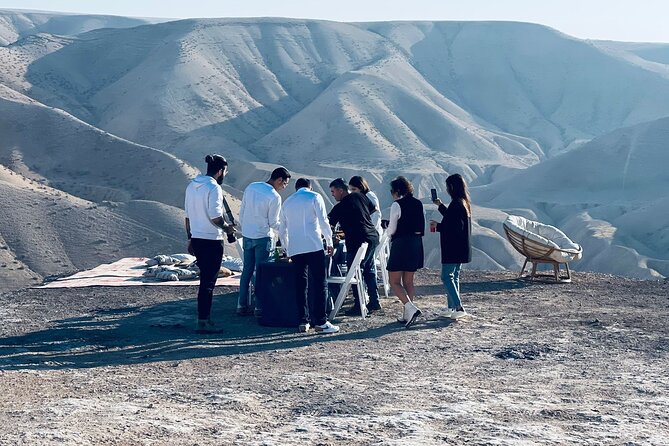
Jericho offers a different kind of visit from Jerusalem and Bethlehem. Instead of focusing mainly on churches and pilgrimage routes, the day looks at ancient settlement, biblical stories, water, and the surrounding desert region.
You learn about the Battle of Jericho and stop to see the sycamore tree connected with the story of Zacchaeus. You also visit Elisha’s Spring, which supplied Jericho with fresh water for centuries.
Water is a useful theme here. Jericho’s location makes a dependable spring especially important, and the stop helps you understand why people lived in this area for so long. The tour then continues to Tel Jericho, where excavations have identified 23 earlier settlements dating back to about 9000 BC.
That date gives Tel Jericho real weight. The site is not simply an ancient city connected to one biblical account. It represents thousands of years of human settlement in the region.
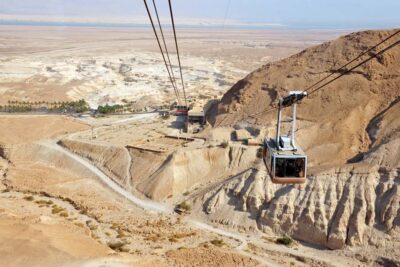
You also ride a cable car to the top of the Mount of Temptation. From there, you see the Greek Orthodox monastery associated with the mountain. The cable car adds a visual change to the day, but it also means the schedule depends on the operation of that attraction.
The Jericho portion lasts about three hours. It mixes several brief stops rather than giving you one long archaeological visit. I see that as a benefit if you want variety. If you are an archaeology specialist, you may find the time at Tel Jericho too short for close study.
More Dead Sea and Masada trips from Jerusalem:
- From Jerusalem: Masada & Dead Sea Full Day Tour with Pick Up
★ 4.5 · 815 reviews - Masada and the Dead Sea Day Trip from Jerusalem
★ 4.5 · 757 reviews - From Jerusalem: Masada&Dead Sea Tour INCLUDING ENTRANCE FEES
★ 4.3 · 392 reviews - Masada, Ein Gedi and The Dead Sea from Jerusalem
★ 4.0 · 267 reviews
Qaser el Yahud and the Jordan River
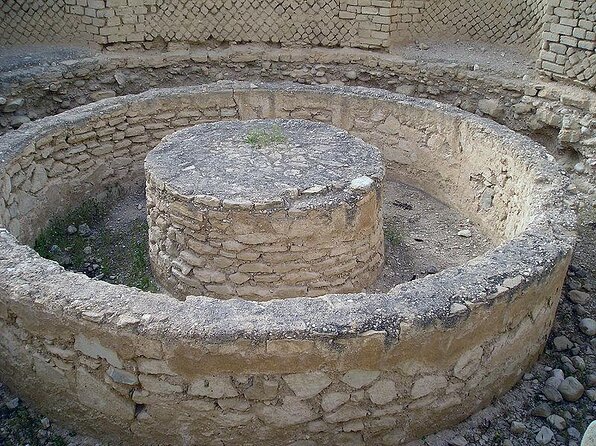
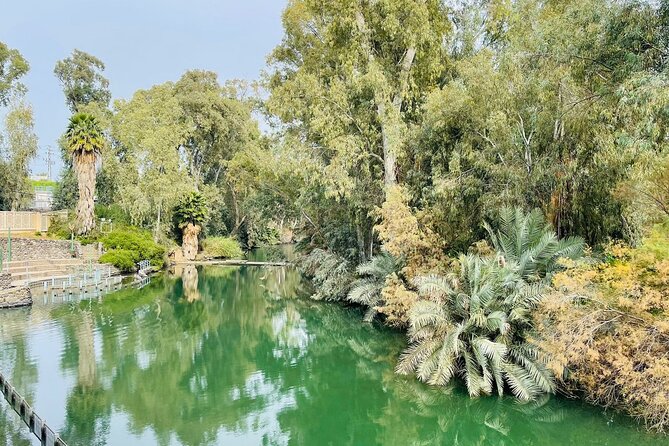
The route continues to Qaser el Yahud on the Jordan River, the site associated with John baptizing Jesus. The area has religious importance for Christian visitors, and today people may also be baptized there.
This stop adds another layer to the tour because it connects the biblical setting with an active religious practice. You are not only hearing about a place from the past. You may also see people using it as a place of worship today.
The tour information does not promise a baptism or a private ceremony, so treat it as a visit to the site. Your guide can explain the religious setting, while the actual time available will depend on the day’s schedule.
Two hours at the Dead Sea
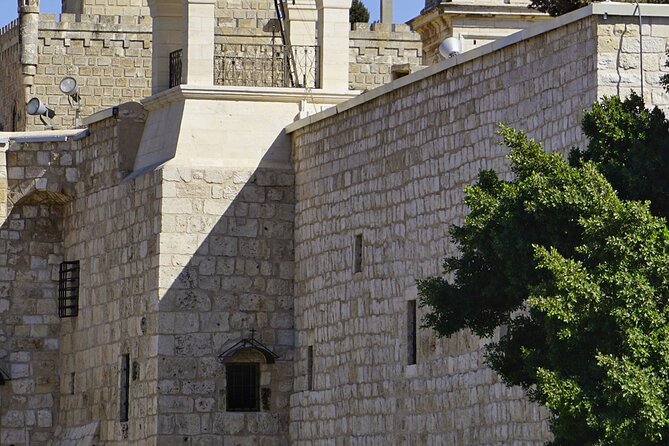
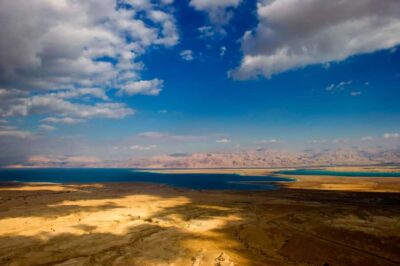
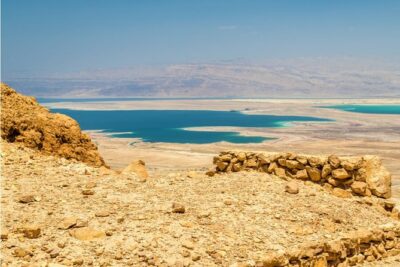
The final stop is the Dead Sea, where you have about two hours to relax. This is welcome after a morning of archaeological and religious sites.
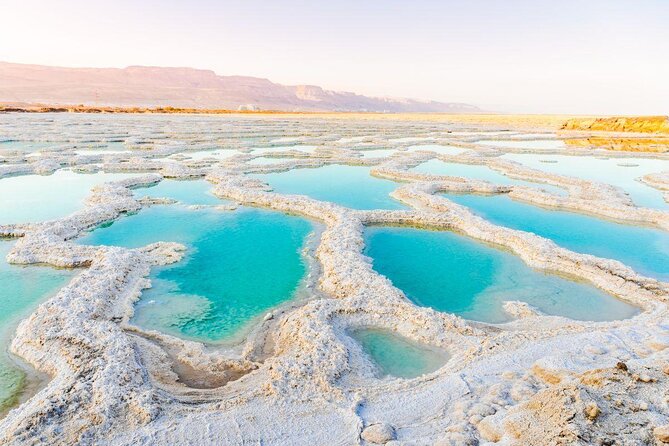
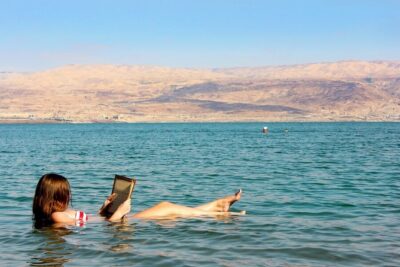
You can swim, rest on the beach, and experience the salt and mineral-rich water. The tour also highlights the natural benefits of the Dead Sea’s sun, air, water, and black mud. You should follow the guidance provided at the beach and take care around the water, since the high salt content makes this unlike an ordinary swim.
The Dead Sea is best treated as a hands-on break rather than another formal sightseeing stop. You have time to slow down, float, and enjoy the setting. The tour describes the beach as one of the better beaches in the area, though the exact beach facilities are not specified.
Two hours is enough for a taste, but not a full resort day. If you want a long spa visit, extended swimming, or a quiet afternoon by the shore, you may prefer a dedicated Dead Sea trip. For this itinerary, the shorter stop works because it gives you a physical break before returning to Jerusalem.
Guide, transport, and group size
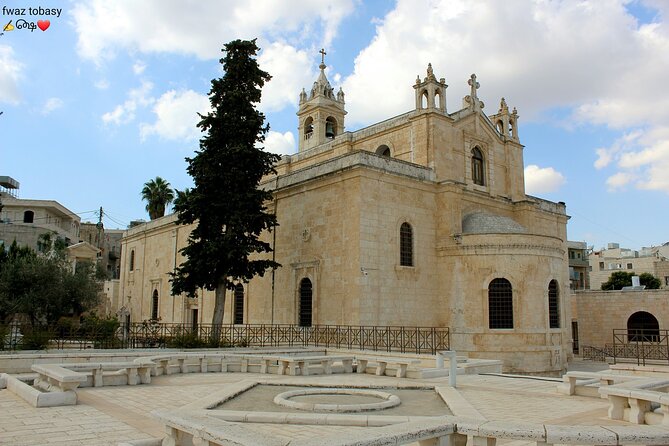
A professional local guide who speaks fluent English leads the tour, and a driver handles the route. That is valuable in this region, where the sites are spread across different areas and the days include long drives.
The air-conditioned vehicle is a practical feature, especially when you are moving between Jerusalem, Bethlehem, Jericho, and the Dead Sea. WiFi on board is also included. It can help you stay in touch during a long day, though the information does not promise a particular connection speed.
The maximum group size is 50 people. That is a large group, and it affects the feel of the tour. You receive the ease of a scheduled group departure, but you may have less freedom to pause or move at your own speed.
The service record described for this experience is encouraging. The operator, Valentina, is praised for quick replies, with questions answered the same day, and for keeping the trip running smoothly. The guide is also praised for being helpful and friendly, with local food and restaurants adding a pleasant personal touch.
No guide’s personal name is provided, so you should not book expecting a particular individual. The important point is the combination of an English-speaking local guide, a driver, and responsive communication before the tour.
Is $300 a fair price?
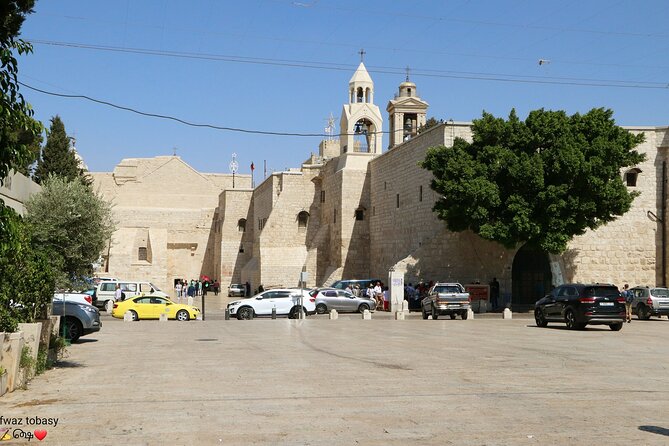
At $300 per person, the tour is not the cheapest way to see these places. But price alone does not tell the full story.
The fee includes the guide, air-conditioned transport, WiFi, taxes, and other listed fees. It also includes time for lunch, though lunch itself is not included. You pay separately for food, tips, insurance, accommodations, and personal expenses.
I consider the price reasonable if you value a fixed route and do not want to arrange transport between several destinations. The guaranteed departure is useful when you have a short stay in Jerusalem and cannot risk a day trip being canceled simply because too few people booked.
The value is weaker if you already have a rental car, private driver, or several days to plan the region independently. A large group may also make the tour less appealing for people willing to pay more for a private experience.
Bring money for lunch and personal purchases. Since the schedule allows time for lunch but does not include the meal, you should plan for that cost rather than assume the $300 covers everything.
Who should book this tour?
I would recommend this tour to first-time visitors who want the main religious and historic sites in a compact two-day plan. It suits people who prefer a guide, organized transport, and a guaranteed departure over independent route planning.
It is also a good fit if you want both Christian pilgrimage sites and wider regional history. Jerusalem and Bethlehem cover major Christian traditions, while the Western Wall, Tel Jericho, Elisha’s Spring, and Qaser el Yahud broaden the picture.
Families and mixed-age groups may appreciate the straightforward structure. The tour information says most ages can participate, and it is described as easy for all ages. Still, the days are long, and the Old City route includes walking, so anyone who needs extra time should discuss their needs before booking.
I would hesitate if your main goal is a slow, private visit. A group of up to 50 and a packed schedule mean the tour prioritizes coverage. The October through May restriction also rules it out for some dates.
Should you book it?
Book this tour if you have only two days, want the major sites covered, and value a local English-speaking guide with transport already arranged. The strongest parts are the wide range of stops, the helpful service, the Mount Scopus view, the Basilica of the Nativity, and the chance to end with time in the Dead Sea.
Skip it if you want to linger at every sacred site, avoid group touring, or visit Jericho during June through September. Before booking, confirm the pickup details, since pickup is offered but the stated meeting point is the David Citadel Hotel at King David Street 7 in Jerusalem. Free cancellation is available up to 24 hours before the start time, and poor weather or failure to reach the minimum number of participants can lead to a new date or full refund.
FAQ
How long is the tour?
The tour lasts approximately two days. Day 1 includes about four hours in Jerusalem and three hours in Bethlehem. Day 2 includes about three hours in Jericho and two hours in the Dead Sea region.
Where does the tour start?
The stated meeting point is the David Citadel Hotel, King David Street 7, Jerusalem, 9410119, Israel.
Where does the tour end?
The activity ends back at the meeting point.
Is hotel pickup available?
Pickup is offered, but the listed meeting point is the David Citadel Hotel. Confirm the exact pickup arrangement when booking.
What is included in the price?
The price includes WiFi on board, an air-conditioned vehicle, all listed fees and taxes, a guide, and time for lunch.
Is lunch included?
No. The tour includes time for lunch, but the cost of lunch is not included.
Are accommodations included?
No. Accommodation is not included in the tour price.
Does the Jericho portion operate all year?
No. The Jericho tour operates only from October through May.
What happens if I cancel?
You can cancel at least 24 hours before the experience starts for a full refund. Cancellations or changes made less than 24 hours before the start time are not accepted for a refund. If poor weather or an insufficient number of participants causes cancellation, you will be offered another date or experience, or a full refund.
Recently listed in Jerusalem
- Tour of Jerusalem & Dead sea private tour★ 5.0 · 4 reviews
- One-Day Tour to Bethlehem and Jericho★ 5.0 · 2 reviews
- West Bank Tour from Jerusalem and Tel-Aviv – Bethlehem & Jericho★ 5.0 · 6 reviews
- jerusalem classic tour★ 5.0 · 3 reviews
- full day tour Jerusalem price per van up to 6 people★ 5.0 · 8 reviews
- kosher Israel wine tour★ 5.0 · 4 reviews
- Private Silk Painting Workshop in Jerusalem – Create a scarf –★ 5.0 · 4 reviews
- Experience Shabbat With Dinner In Jerusalem★ 5.0 · 5 reviews
Dead Sea and Masada Tours, compared.
Masada & Dead Sea Full Day Tour with Pick Up
Read our review →
Masada and the Dead Sea Day Trip from Tel Aviv
Read our review →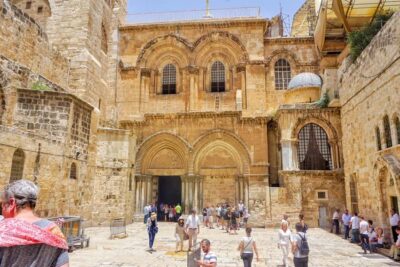
Masada and the Dead Sea Day Trip from Jerusalem
Read our review →
Browse the lists this tour appears in