
Reviewed · DEAD SEA AND MASADA TOURS
2-Day Best of Israel Tour from Tel Aviv: Jerusalem, Bethlehem and Masada Tour
Two days, four unforgettable places. This fast-moving tour packs Jerusalem and Bethlehem into its first day, then follows the Judean Desert to Masada and the Dead Sea. I like the smart route, which combines major religious sites with dramatic desert scenery, and I like that transport, a Jerusalem hotel, breakfast, and guided visits are included. The main caution is the overnight hotel, which has been a weak point for some departures.
At $360 per person, the package can be good value if you want to cover a lot without renting a car or managing border and regional transport yourself. You should expect early starts, plenty of walking, limited free time, changing guides, and possible shopping stops. This is a highlights tour, not a slow examination of Jerusalem.
In This Review
- Key points before you book
- Why this two-day route works
- Mount Scopus and the eastern approach to Jerusalem
- Two and a half hours inside the Old City
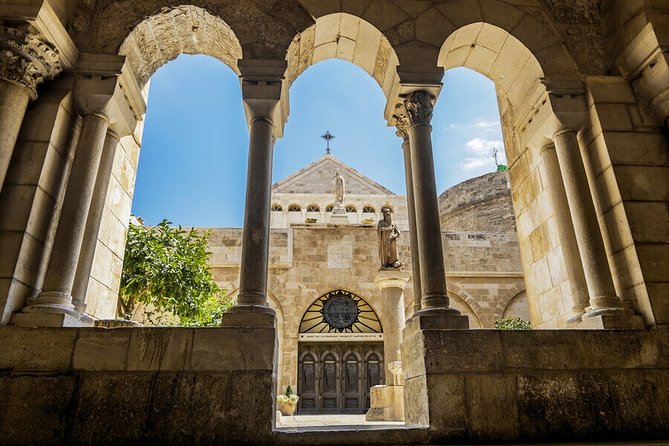
- Bethlehem, Manger Square, and the Church of the Nativity
- The overnight stay in Jerusalem
- Masada by cable car and Herod’s desert fortress
- Qumran and the Dead Sea
- Guides, group size, and the pace of the day
- Dress, walking, and practical preparation
- Who should book this $360 Israel tour?
- FAQ
- How long is the tour?
- What time does the tour start?
- Is hotel pickup and drop-off included?
- Is accommodation included?
- Is breakfast included?
- Do I need a passport for Bethlehem?
- What should I wear to religious sites?
- Are Masada and the Dead Sea admission fees included?
Key points before you book
- Jerusalem comes first: See Mount Scopus, the Garden of Gethsemane, the Western Wall, the Via Dolorosa, and the Church of the Holy Sepulchre in one long day.
- Bethlehem requires your passport: A current valid passport is required, and the visit involves crossing into the West Bank.
- Masada includes the cable car: You get two hours to ascend and explore the mountaintop fortress without making the steep climb on foot.
- The Dead Sea is a real hands-on stop: Two hours are set aside to float, use mineral mud, and rinse off at the shore.
- The hotel is the biggest question mark: Accommodation is included, but the quality and location can vary, so an upgrade may be worth asking about.
- Expect a large group: The advertised maximum is 40 people, though some departures have felt even larger because of transfers and group changes.
Why this two-day route works
Israel packs an unusual amount of history into a small area. From Tel Aviv, you can reach Jerusalem in the morning, Bethlehem later the same day, and the Dead Sea and Masada the next morning. Doing that independently is possible, but it requires careful planning, separate transport, and attention to changing access arrangements.
I like the basic design because the two days feel different. Day one is about sacred places, old stones, and the living religious traditions of Jerusalem and Bethlehem. Day two trades alleyways for desert cliffs, an ancient fortress, and warm salt water.
The tradeoff is pace. Old Jerusalem deserves several days if you want to visit museums, return to the churches at quieter times, and wander the markets without watching the clock. Here, you get a useful introduction, but the schedule keeps moving.
The coach is air-conditioned, and hotel pickup and drop-off are included. The start time is 7:15 a.m., so plan for a very early morning. Pickup arrangements can involve coordination with other vehicles or groups, and the tour order may change depending on the departure date.
More Bethlehem and Holy Land tours from Tel Aviv:
- From Tel Aviv: Jerusalem and Bethlehem Guided Day Trip
★ 4.3 · 1,316 reviews - Tel Aviv: Jerusalem, Bethlehem & Dead Sea
★ 4.0 · 881 reviews - Day Tour to Jerusalem and Bethlehem from Tel Aviv
★ 4.5 · 720 reviews
Mount Scopus and the eastern approach to Jerusalem
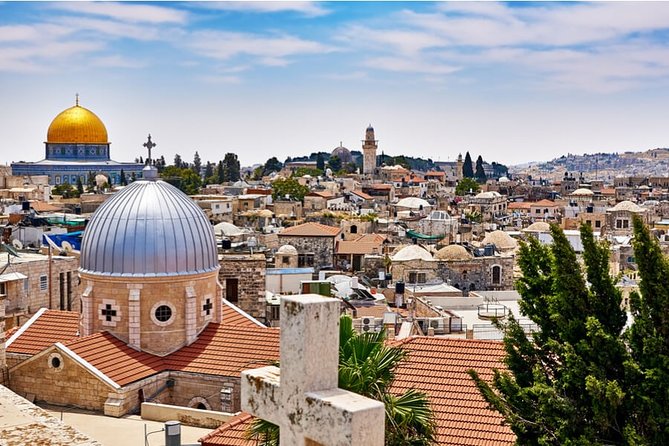
The first view of Jerusalem comes from Mount Scopus, where you have about 30 minutes to look across the Old City. This is a good opening because the compact walled center can be hard to understand once you are inside its narrow lanes.
The view helps you pick out the Old City walls and the golden Dome of the Rock. The dome is one of Jerusalem’s most recognizable sights, but remember that this tour provides an exterior view rather than entry to the complex.
The route then continues past the Garden of Gethsemane, the Church of All Nations, and the Kidron Valley. These stops are brief, so think of them as orientation points rather than long visits. Your guide supplies the religious and historical setting while the coach handles the awkward distances between sites.
A guide is especially useful here. Jerusalem is not one single story. Jewish, Christian, and Muslim traditions overlap in the same few streets, and a good guide can explain why a place matters to different communities without turning the visit into a blur of names and dates.
Two and a half hours inside the Old City
The Old City portion lasts about two and a half hours, with separate time in the Jewish and Christian quarters. You walk on uneven stone streets, through narrow passages, and among shops and places of worship. Comfortable shoes are not optional luxury here.
The Jewish Quarter includes the Byzantine Cardo, a restored section of the old Roman-era street. The Cardo helps you picture Jerusalem as a commercial city long before modern roads and buses appeared. The stop lasts about 30 minutes, which is enough for an introduction and some photographs, but not a careful archaeological visit.
At the Western Wall, you have about 20 minutes. This is a short stop, yet it can be one of the most powerful moments of the day. The wall is a place of prayer, so behave quietly and follow local customs. Modest clothing matters, and men and women may use separate areas.
The Christian Quarter follows, with about 40 minutes before the Via Dolorosa. The Way of the Cross passes through working streets rather than a quiet museum corridor. Shopkeepers, worshippers, pilgrims, and tour groups all share the route, which can make the experience feel crowded and very much alive.
At the Church of the Holy Sepulchre, the schedule allows roughly 30 minutes. This is the traditional site of Jesus’ crucifixion and burial, and it is shared by several Christian denominations. Lines can become very long, especially during major religious holidays. One account described near-crushing crowds during Orthodox Easter, so visit dates can make a major difference.
The tight timing is the biggest limitation in Jerusalem. You may get the key explanations and see the main locations, but you will not have much room to pause. Shopping time in the Old City can also be limited, while some departures include stops at souvenir or traditional shops that feel more commercial than cultural.
Bethlehem, Manger Square, and the Church of the Nativity
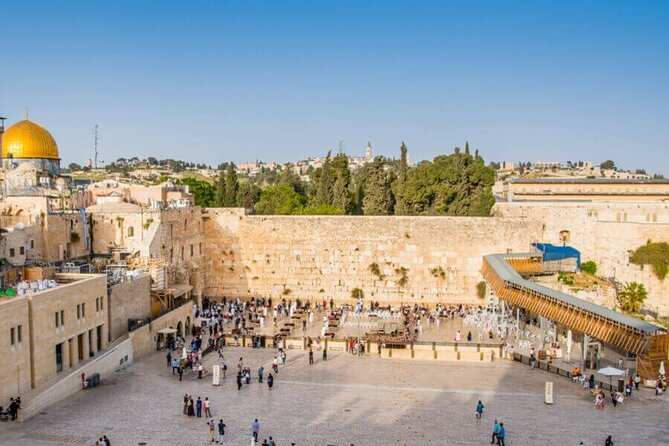
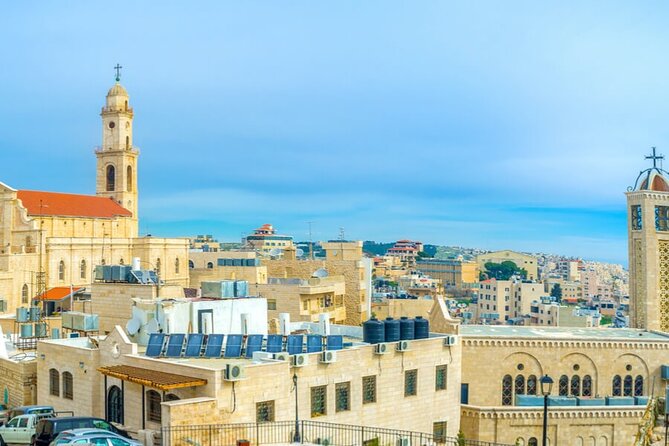
Bethlehem adds a second religious center to the first day. The visit lasts about two hours, including time around Manger Square and the Church of the Nativity, traditionally identified as the birthplace of Christ.
The Church of the Nativity is the main event. You have about 40 minutes inside, but access to the grotto can depend heavily on crowds and local conditions. The Milk Grotto may be skipped if the wait is several hours, so do not assume every nearby church or chapel will be visited.
A stop at the Church of St. Catherine may be possible, with about 20 minutes allowed. The wording matters: this is not guaranteed, and admission is not included for that stop.
Bring your current passport. It is required for the Bethlehem portion, and you should keep it with you rather than packed in luggage. The tour operator handles the transport, but crossing arrangements and the order of stops can vary.
Bethlehem can also bring extra-cost pressure. Some departures have included an offer to pay for faster access to the Church of the Nativity, and shopping stops may take time from the historic sites. You should feel free to decline purchases and ask clearly which costs are included before handing over money.
More Dead Sea and Masada trips from Tel Aviv:
- From Tel Aviv: Masada & Dead Sea Full Day Tour with Pick Up
★ 4.5 · 1,496 reviews - Masada and the Dead Sea Day Trip from Tel Aviv
★ 4.5 · 1,014 reviews - From Tel Aviv: Masada, Ein Gedi & Dead Sea Tour
★ 4.2 · 705 reviews - Jerusalem and the Dead Sea from Tel Aviv
★ 4.5 · 444 reviews
The overnight stay in Jerusalem
The overnight hotel is included, along with breakfast on the second day. That saves you from arranging a separate room and lets the tour begin day two without returning to Tel Aviv after Jerusalem.
Hotel quality, however, is uneven. Some bookings have placed people in a central boutique hotel with restaurants nearby, while others have used the Prima Park Hotel, described as mediocre, noisy, and inconvenient for evening dining. Complaints have also included poor food, an unsatisfactory breakfast, and temporary television problems.
This is where the $360 price needs a careful look. The cost covers transport, guides, two substantial touring days, one night, breakfast, and admission to Masada and the Dead Sea facility. That can be worthwhile, particularly if you value convenience. But if a pleasant hotel is important to you, ask about the exact property and the price of an upgrade before booking.
The tour may also split into different groups overnight or between days. You might not have the same guide or the same companions throughout. That is normal for a large organized operation, but it can feel confusing if you expect one small group from Tel Aviv through the return journey.
Masada by cable car and Herod’s desert fortress
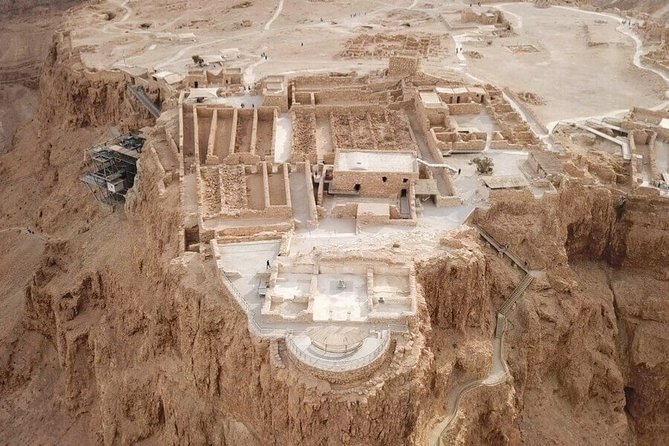
Day two heads into the Judean Desert, passing the Good Samaritan Inn and, depending on the schedule, points associated with Herodium and Ein Gedi. The main stop is Masada National Park, where you have about two hours.
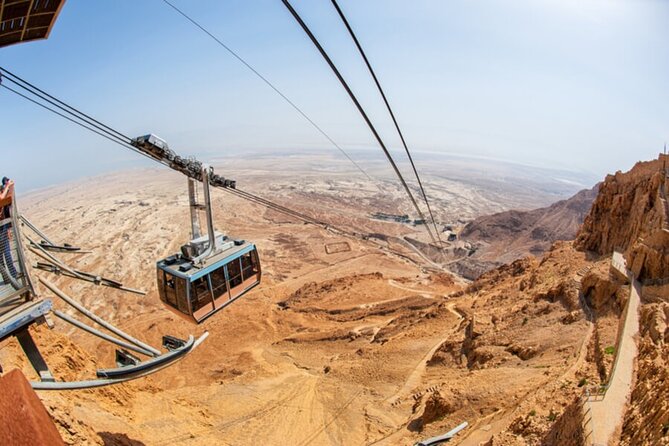
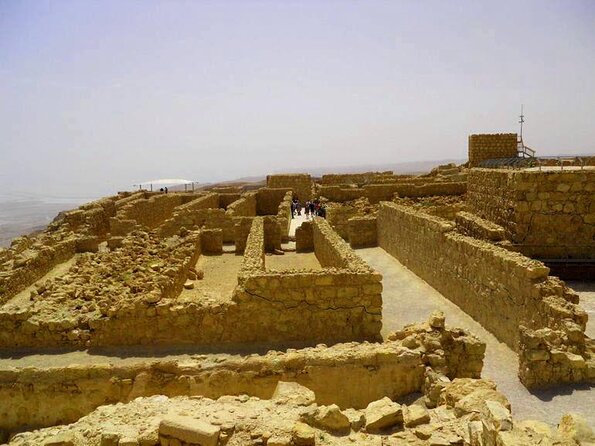
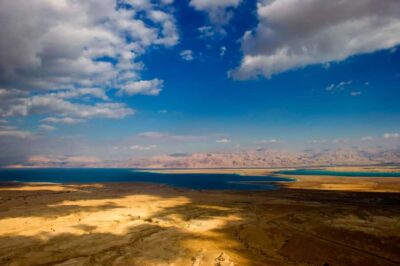
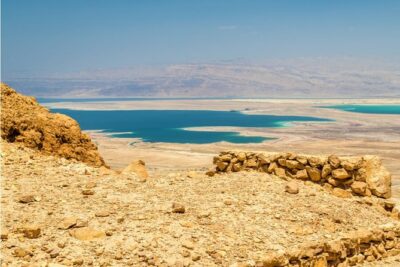
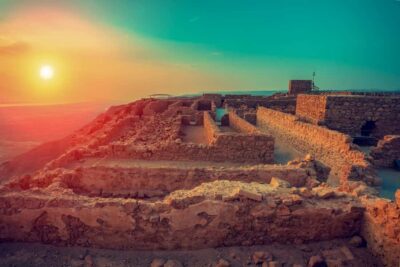
The cable car is included, so you can reach the summit without making the strenuous ascent on foot. From the top, the views stretch across the desert toward the Dead Sea, and the ruins show the scale of Herod the Great’s building project. Palaces, defensive walls, storage areas, and other remains make Masada more than a scenic overlook.
I consider Masada one of the strongest parts of the tour. It gives you a clear sense of ancient engineering and desert strategy, while the cliff-top setting makes the site memorable even if you are less interested in archaeology.
Two hours is enough for a solid visit, but not for every corner at a leisurely pace. Wear a hat, carry sun protection, and follow your guide’s meeting instructions closely. The open summit offers little shelter, and desert heat can wear you down quickly.
The schedule also includes a 30-minute stop connected with Herod’s Palace, listed as Herodium. Other planned views include Ein Gedi Natural Reserve, while Qumran’s caves may be passed on the road rather than visited as a full stop. These details can change, so treat them as route highlights rather than guaranteed extended visits.
Qumran and the Dead Sea
The journey continues past Qumran, the area associated with the discovery of the Dead Sea Scrolls. If you are interested in biblical archaeology, even a roadside explanation can add meaning to the desert drive. The tour does not promise a long exploration of the caves themselves.
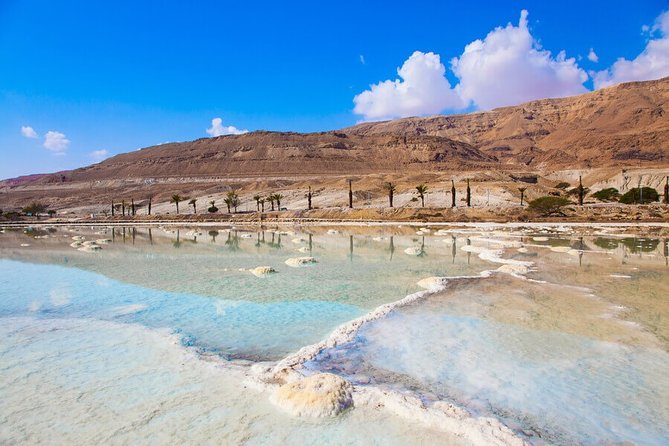
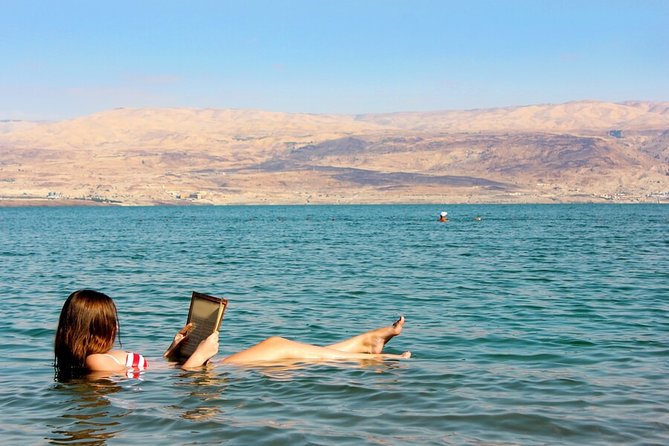
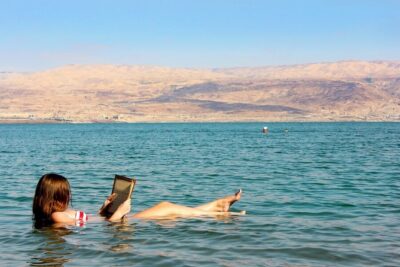
The final major stop is the Dead Sea, with about two hours for floating and mud treatments. The salt-rich water is so buoyant that you can sit back and float with surprising ease. It is a funny, memorable experience, but it is not ordinary swimming.
Do not shave immediately before this stop, and keep the water away from your eyes and any cuts. Those practical points are not stated as formal tour rules, but basic care matters in heavily salted water. Bring a swimsuit, towel, hat, and sun protection, as advised.
The mud is part of the fun, though you should allow time to rinse it off. The stop is more relaxed than Jerusalem, but two hours can disappear quickly once you change, reach the shore, float, apply mud, and wash up.
Some departures have lost time to pickup changes and shopping stops, leaving too little time at the Dead Sea. The advertised two hours is reasonable, but the actual amount of time can depend on traffic and how smoothly the group moves.
Guides, group size, and the pace of the day
Guide quality can make or break this experience. Strong guides named in the feedback include Amir, Ami, Eli, Eyal, Rikki, Ron, and a second-day guide known for his long hair. Their strengths included clear storytelling, humor, careful group management, and help with unexpected problems. Amir even assisted one passenger with catching a flight.
The first day benefits most from a strong guide because Jerusalem requires explanation. Without context, the Old City can feel like a sequence of crowded lanes and church interiors. With a good guide, the connections between the Jewish, Christian, and Muslim quarters become much easier to follow.
The second day is simpler to understand, but the desert sites still benefit from a guide who can explain Masada beyond the basic story. Guide quality is not perfectly consistent, and some departures have included explanations that were hard to understand or less detailed.
The official maximum is 40 participants. That is not a small group, especially inside the Old City. Some accounts describe groups of about 50 and repeated explanations in two languages, which can slow the day. Transfers between buses or local guides have also occurred, particularly on changing schedules.
This is not a private tour and it does not promise a single guide for both days. You should book it for the route and convenience, not for a quiet, personal pace.
Dress, walking, and practical preparation
Religious sites require modest clothing. Men and women should cover their shoulders and knees, and shorts may lead to refused entry. A light layer or scarf is useful because it can solve a clothing problem without taking much space.
Expect a reasonable amount of walking on stone streets and through crowded passages. Wear shoes with good support, and keep your belongings close in busy areas.
The tour is not suitable for children under four. Most other participants can take part, but the early start, long first day, heat, and walking may be tiring for young children or anyone with limited stamina.
Bring:
- A current valid passport
- Comfortable walking shoes
- A hat and sun protection
- A swimsuit and towel
- Water and money for food or drinks
- Clothing that covers shoulders and knees
Food and drinks are not included unless specifically stated. Breakfast is included on day two, but other meals are your responsibility.
The tour is near public transportation, and hotel pickup and drop-off are included. Confirm the pickup details carefully because the start time is early and the operation may involve multiple vehicles.
Who should book this $360 Israel tour?
I would recommend this tour to a first-time visitor who has only two days, wants the major sites, and prefers not to rent a car. It is particularly useful if Jerusalem, Bethlehem, Masada, and the Dead Sea are all priorities.
You will probably be happy if you value coverage over free time, appreciate a guide’s explanation, and can accept a basic hotel. The route is efficient, and the combination of sacred places and desert scenery is hard to match in such a short trip.
I would hesitate if your main goal is slow exploration. You may prefer separate day trips, or a private or small-group arrangement, so you can spend longer in Jerusalem and choose your own hotel. The hotel concerns and possible shopping stops reduce the value for people who want a polished, restful package.
Book it when convenience matters most, confirm the hotel before paying, pack modest clothing, and keep your schedule flexible. If you do, this can be a powerful introduction to Israel, with Masada and the Dead Sea providing an excellent second-day finish.
FAQ
How long is the tour?
The experience lasts approximately two days, with an overnight stay in Jerusalem.
What time does the tour start?
The stated start time is 7:15 a.m.
Is hotel pickup and drop-off included?
Yes. Hotel pickup and drop-off are included, along with round-trip transport in an air-conditioned vehicle.
Is accommodation included?
Yes. One night of overnight accommodation in Jerusalem is included.
Is breakfast included?
Yes. Breakfast is included on the second day.
Do I need a passport for Bethlehem?
Yes. A current valid passport is required for the Bethlehem visit.
What should I wear to religious sites?
You should cover your shoulders and knees. Shorts may result in refused entry, and the dress rule applies to both men and women.
Are Masada and the Dead Sea admission fees included?
Admission to Masada National Park and the Dead Sea facility is included. Food and drinks are not included unless specifically stated.
Recently listed in Tel Aviv
- Wine Tour North of Israel from Tel Aviv★ 5.0 · 2 reviews
- Private wine tour of Northern Israel★ 5.0 · 4 reviews
- private Full-day Tour to Jericho + the Dead Sea★ 5.0 · 3 reviews
- private Full-Day Tour to Bethlehem and Jerusalem★ 5.0 · 2 reviews
- Package VIP Skip Line Services in BGN Airport with Transfer to Tel aviv Hotels★ 5.0 · 3 reviews
- Jerusalem and Dead Sea Trip from Tel Aviv★ 4.0 · 6 reviews
- Private Transfer from Ben Gurion Airport to Tel Aviv, Bat Yam, Rishon LeZion★ 5.0 · 2 reviews
- VIP Tel Aviv airport Terminal 3 Fast Track Skip Line From plane★ 4.5 · 9 reviews
Dead Sea and Masada Tours, compared.
Masada & Dead Sea Full Day Tour with Pick Up
Read our review →
Masada and the Dead Sea Day Trip from Tel Aviv
Read our review →
Masada and the Dead Sea Day Trip from Jerusalem
Read our review →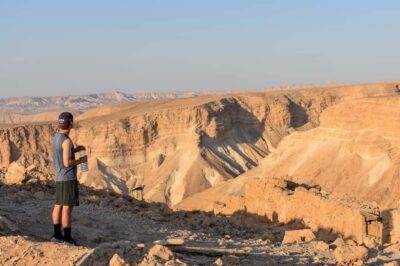
Browse the lists this tour appears in